
Last updated November 22, 2026
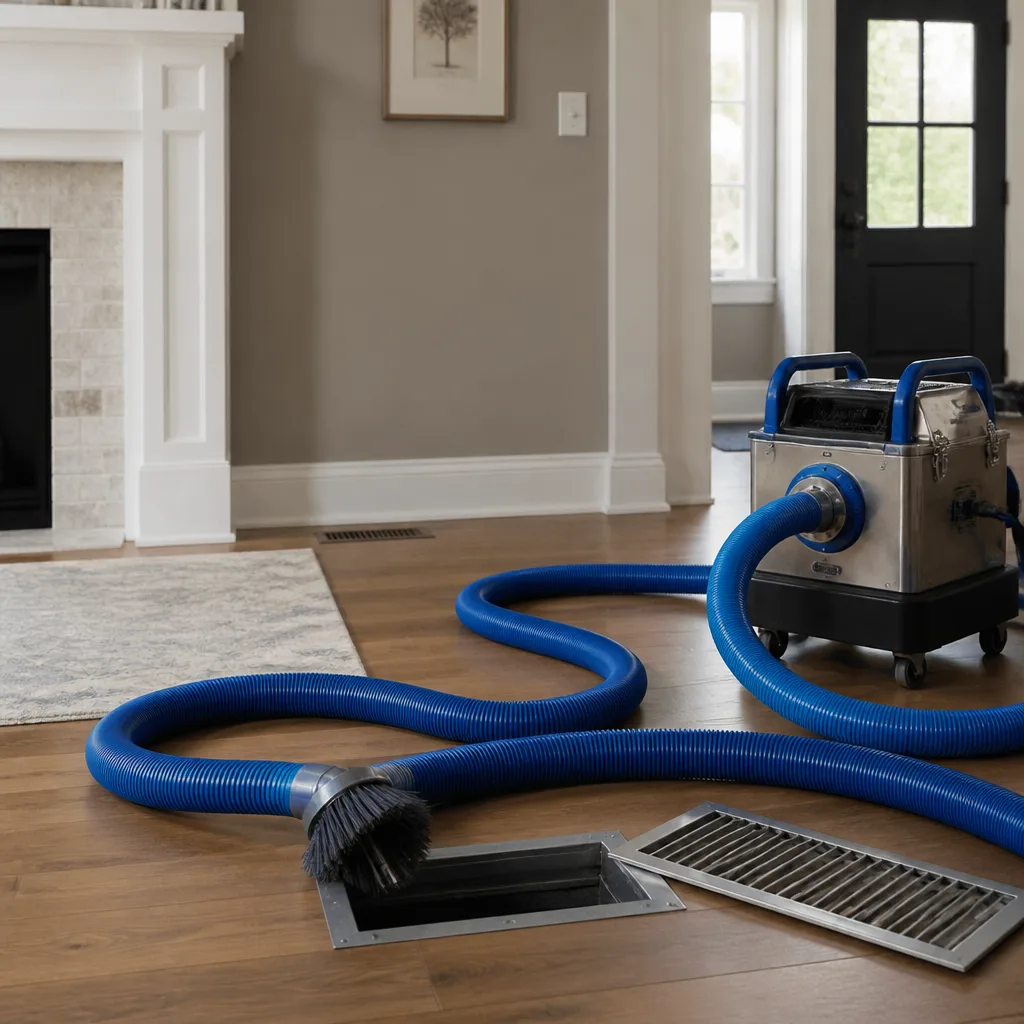 Whole-home duct cleaning
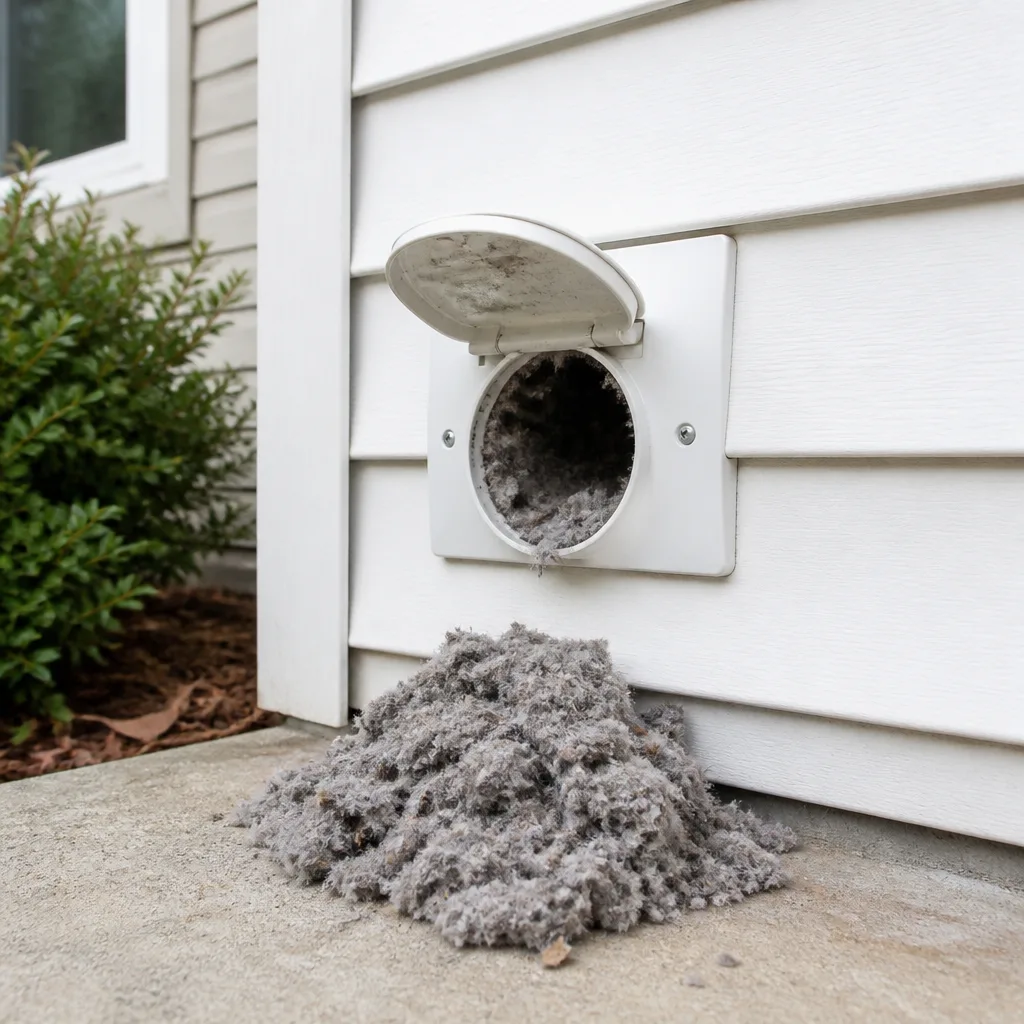 Dryer vent cleaning
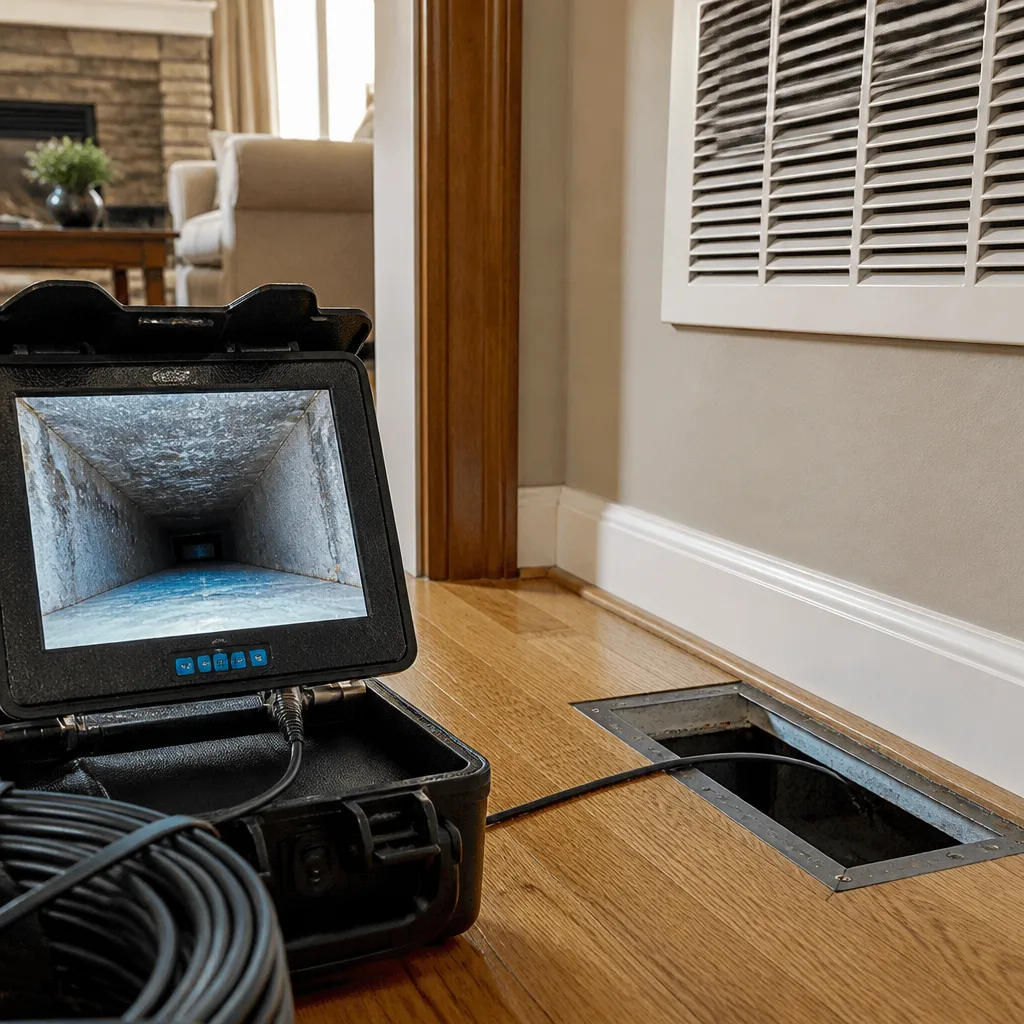 Camera inspection
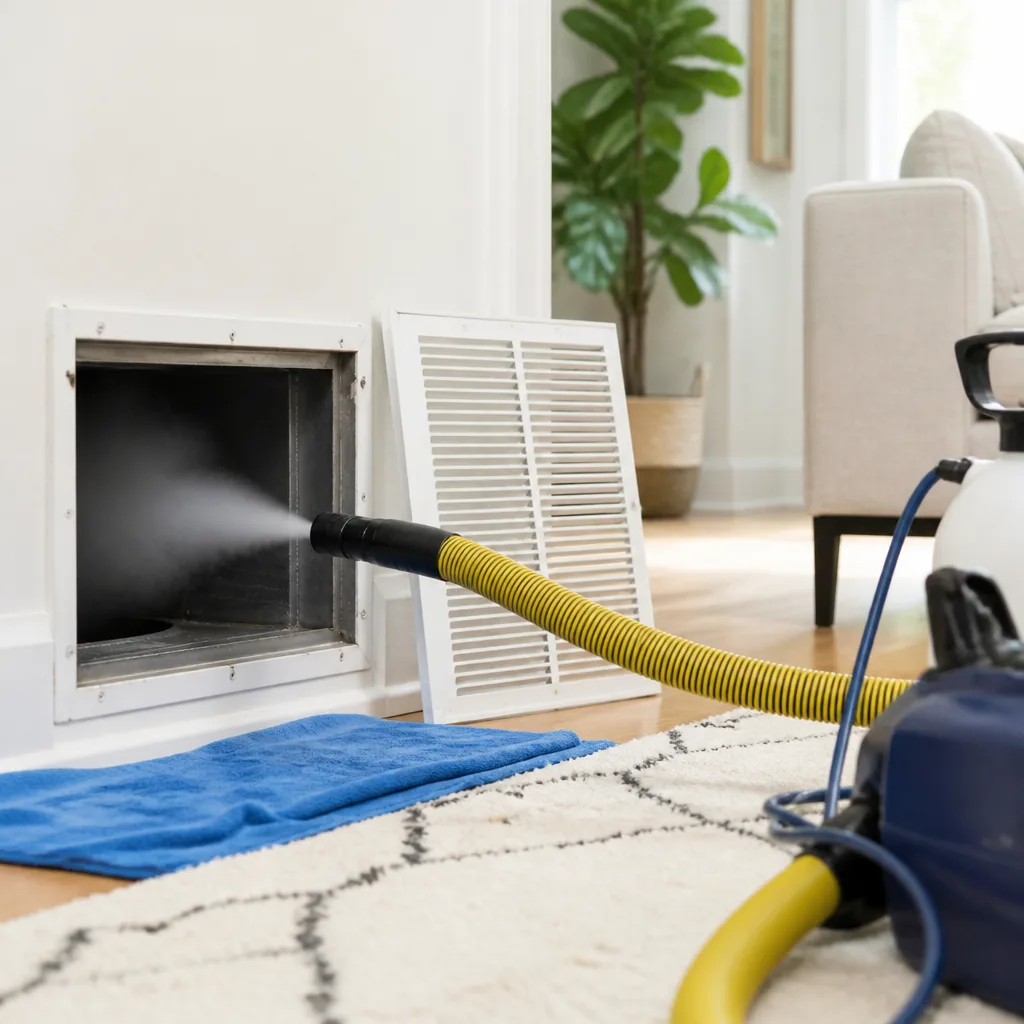 Sanitizing & deodorizing
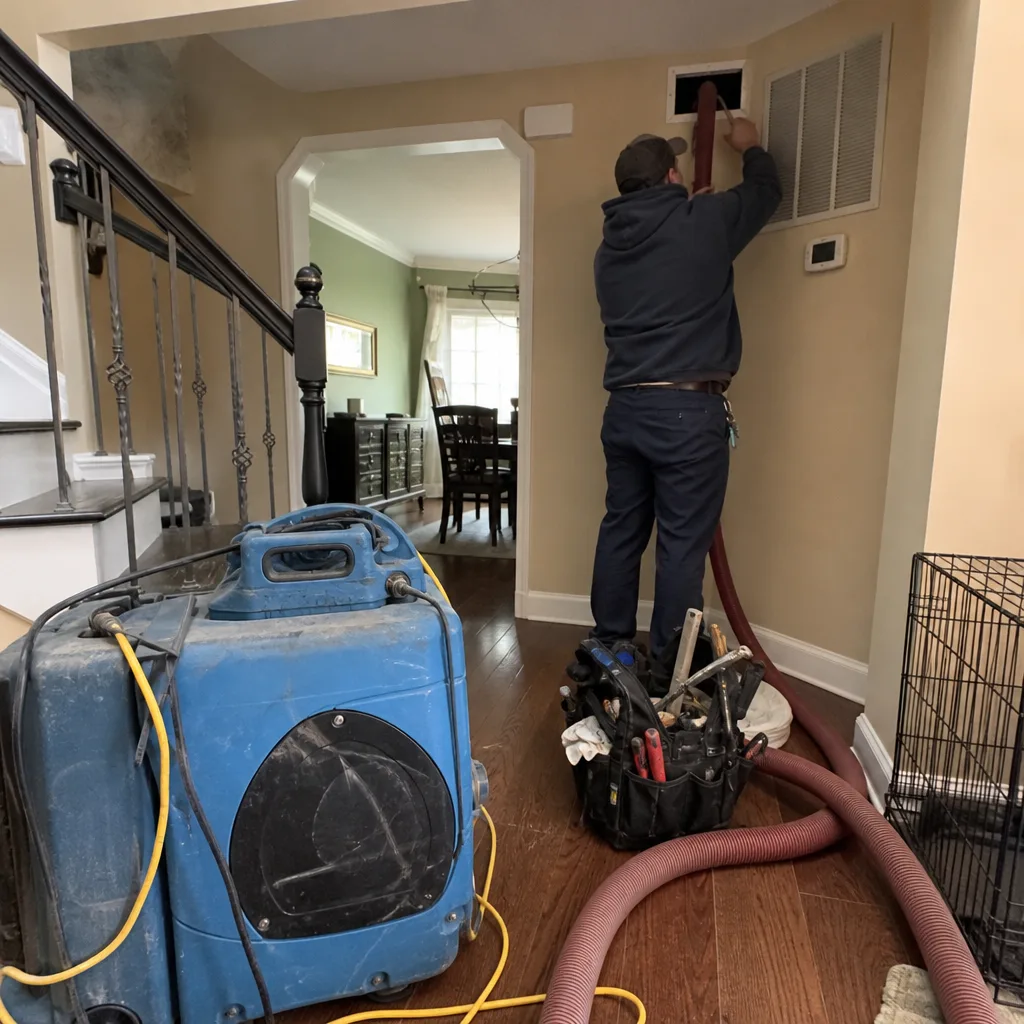
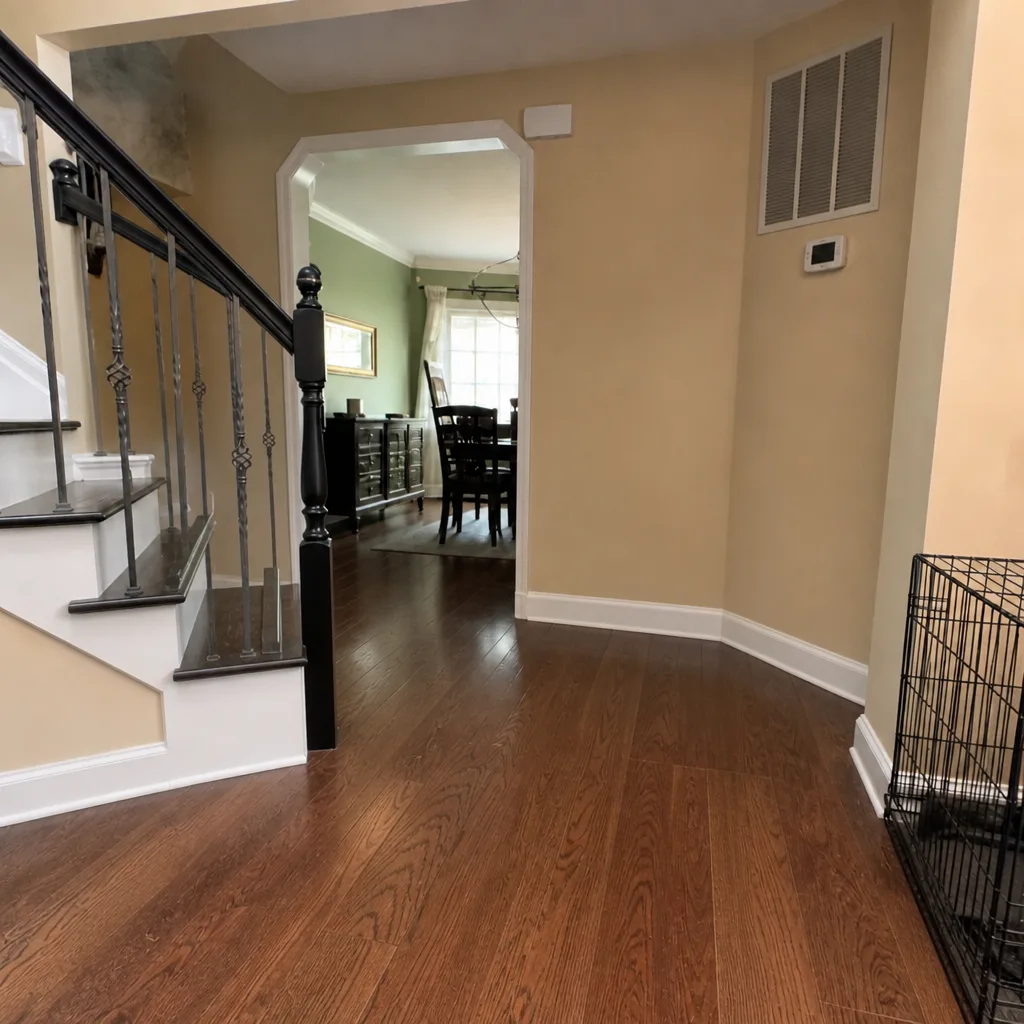
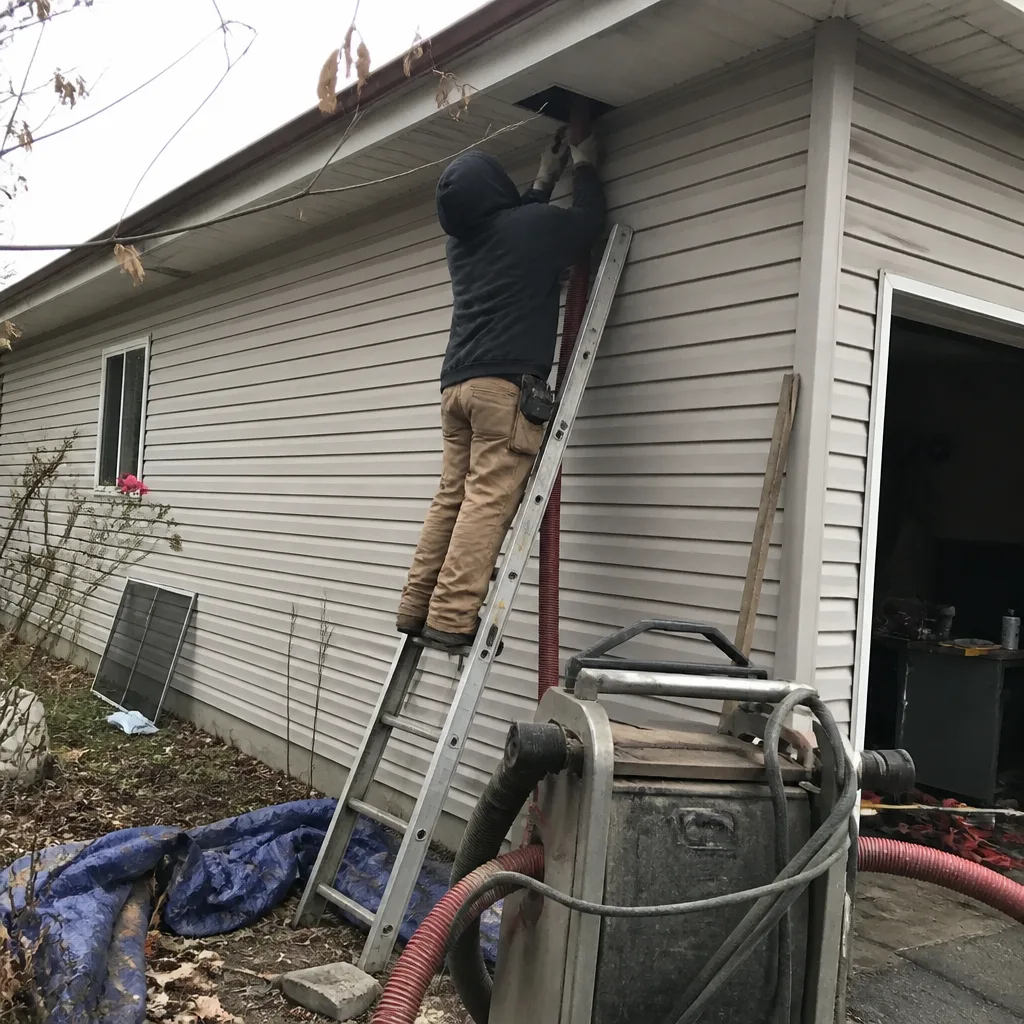
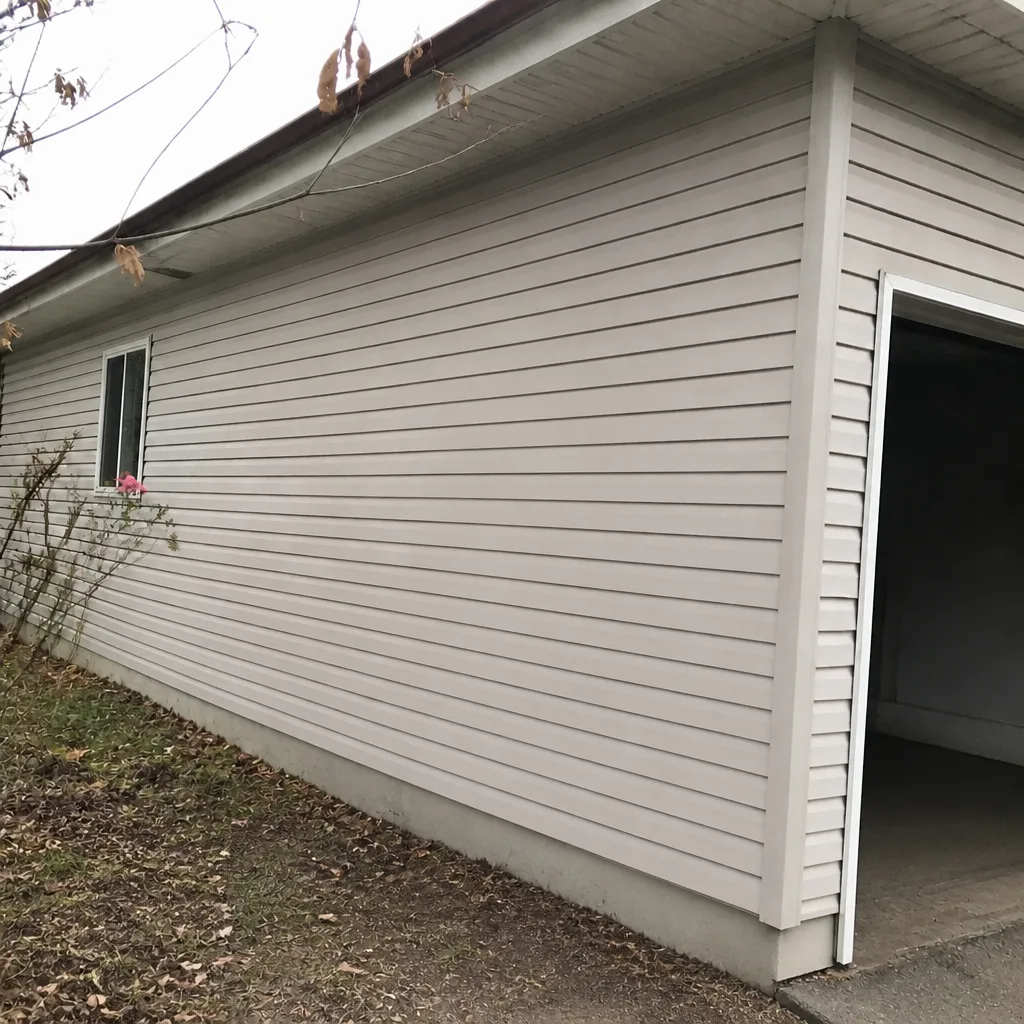
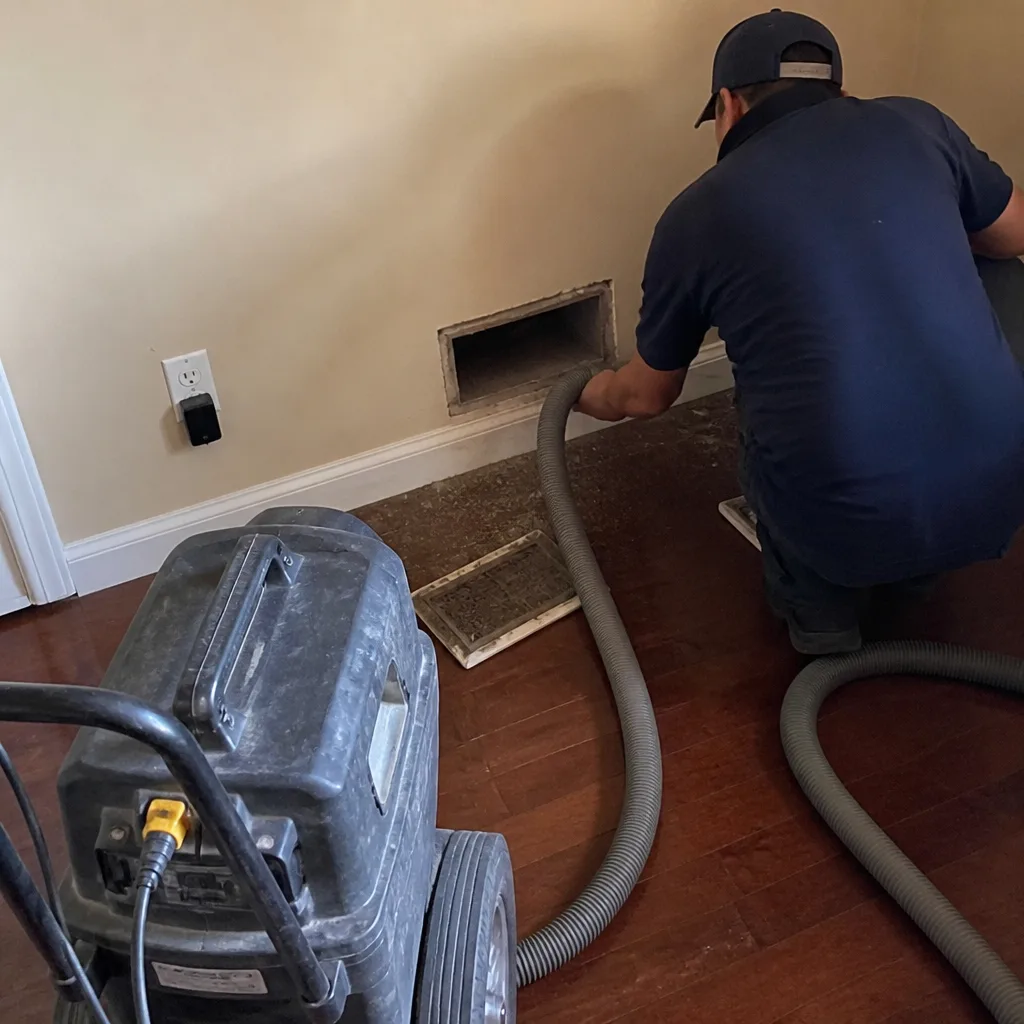
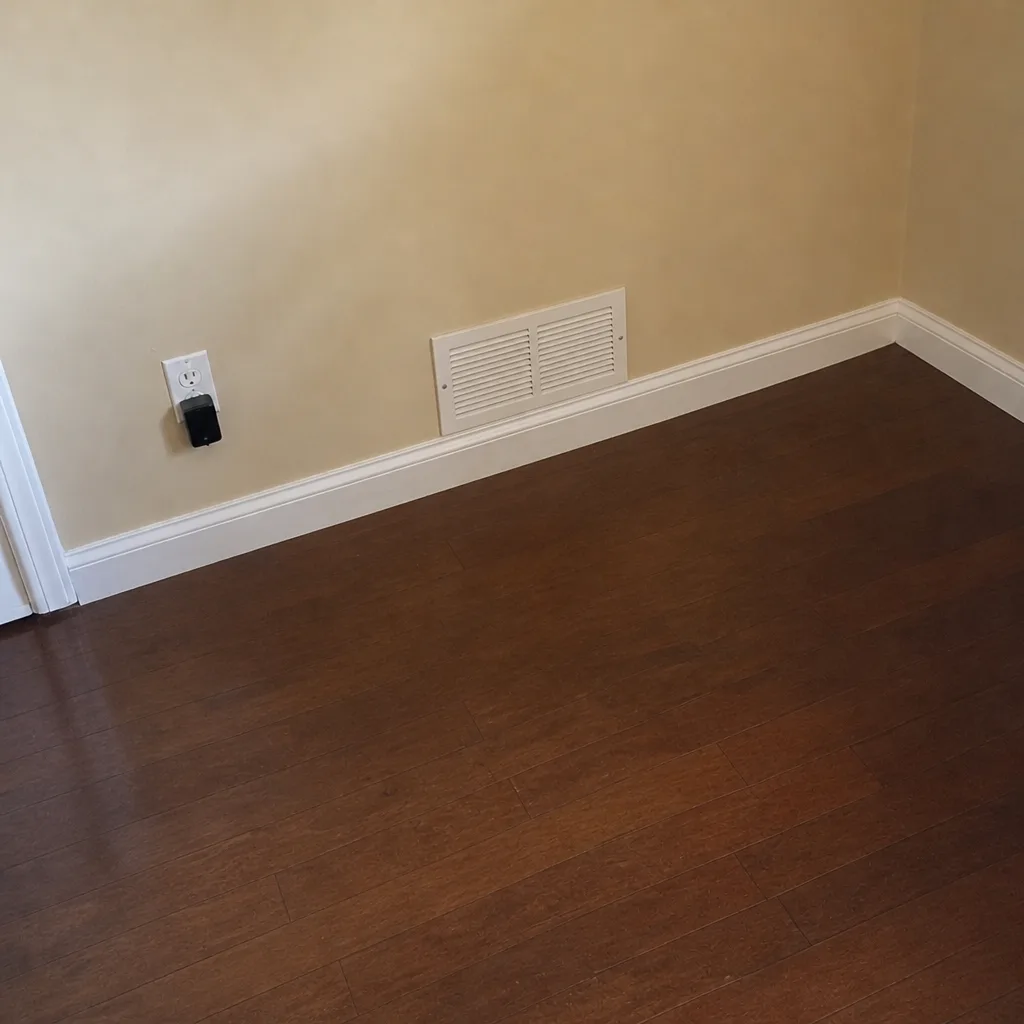
Whole-system duct and dryer vent check with before-and-after photos - you see exactly what came out of your vents
That "$99 whole-house special" is a bait ad - the real number appears once they are in your hallway, or the "clean" is a shop-vac at the register. We photograph the inside of your ducts before and after instead.
The Complete Guide to Air Duct Cleaning in Concourse
Most people assume the worst thing in their ductwork is dust. Pull a register in a Concourse apartment and you might find something more interesting: a fine grey silt that settles only on the return side, or a crust of lint packed against a supply boot in a way that suggests air has been moving through the same seam for a very long time. Your ducts aren’t a set of separate tubes. They’re one connected pressure system, and contamination behaves very differently depending on which side of the blower it lands. This guide walks the whole system in Concourse, zone by zone, so you know what a real cleaning involves, how it’s verified, and what actually collects where.
Styles & brands we work with
- Whole-home duct cleaning
- Dryer vent cleaning
- Camera inspection
- Sanitizing & deodorizing
Quick Answer
A thorough air duct cleaning in Concourse means source removal of debris from every connected component of the system, not a wipe-down of the visible registers. That means the supply runs, the return runs, the plenum, the blower compartment, and the coil, cleaned in the right sequence under negative pressure so loosened debris leaves the system instead of being pushed into your rooms. The finished job should be verifiable: before-and-after photos, clear access points, and evidence that the whole system was addressed, not just the parts a camera could reach from the floor.
Table of Contents
- Why Your Duct System Is a Connected Network, Not a Set of Tubes
- Supply vs. Return: What Collects Where, and Why Sequence Matters
- What Professional-Grade Equipment Does That a Shop Vac Can’t
- Concourse Building Stock, Humidity, and Pre-1980s Duct Materials
- Source Removal vs. Surface Wipe-Down: Only One Is a Real Cleaning
- How to Verify the Work Was Actually Done
- Your Dryer Vent Is a Fire Risk. We Fix That Too.
- What Air Duct Cleaning Costs in Concourse
- Common Mistakes to Avoid
- When to Call a Professional
- Frequently Asked Questions
- The Bottom Line
Why Your Duct System Is a Connected Network, Not a Set of Tubes
When you look at a duct run through a floor register, it’s tempting to picture a straight pipe that either has dirt in it or doesn’t. The reality is closer to a river delta. Air enters through the return grille, travels down a trunk line, passes through a filter and blower, gets pushed into the supply trunk, and then splits into a dozen or more branches that each end at a register. Every joint, elbow, transition, and boot in that path is a place where the airflow slows down and debris drops out. Contamination in one zone tells you almost nothing about the others, and cleaning only the visible ends leaves the middle of the network untouched.
That matters most in Concourse, where apartment buildings and older multifamily homes often route ducts through tight chases and shared walls. A run that starts clean-looking at a bedroom register may pass through a section of flex duct that has sagged, collected debris at the low point, and reduced airflow to the room farthest from the blower. You can’t see that from the register. You need to get into the trunk and the branches.
Think of the system in four connected layers:
- Return side: grilles, return trunk, and the filter slot. This is where the largest debris volume shows up, from hair and lint to pet dander and construction dust.
- Air handler zone: filter housing, blower wheel, and evaporator coil. Anything that gets past the filter accumulates here, and a dirty blower wheel cuts airflow to the whole house.
- Supply trunk and branches: where fine dust and any debris that got past the coil ends up, especially at elbows and boots.
- Registers and boots: the visible ends, which most people assume are the whole job and which are actually the last five percent of it.
Each layer needs its own technique and its own access point, and each one needs to be handled in a sequence that keeps loosened material moving toward the extraction point rather than into the rooms. That’s the mental model this guide is built on. If you remember nothing else about air duct cleaning in Concourse, remember this: cleaning is a system-level operation, not a register-level one.
Supply vs. Return: What Collects Where, and Why Sequence Matters
Supply and return ducts look similar from the outside and behave almost opposite to each other on the inside. The return side runs under negative pressure, which means the system is pulling air (and debris) toward the blower. The supply side runs under positive pressure, pushing conditioned air out to each room. The debris that lands in each side is different in type and volume, and that difference drives how a proper cleaning has to be sequenced.
On the return side, you see the big accumulations. Air moving toward the filter carries everything the rooms are shedding: lint from laundry, hair, cooking grease aerosol that cools and sticks to duct walls, and construction dust from any renovation the unit has seen. In Concourse’s older buildings, that layer often includes decades of accumulated fine dust that has bonded to the metal or flex liner of the return trunk. It’s not loose. It needs mechanical agitation to break it free.
On the supply side, the deposits are finer and more spread out. Dust that made it past the filter and the coil travels with the outgoing air and settles at low-velocity points: elbows, plenum transitions, and the boots behind each register. That’s also where allergens concentrate, especially if a coil has been running wet for part of the season.
The sequence matters because of pressure direction. A cleaning done in the wrong order pushes loosened debris through the system instead of pulling it out. A professional cleaning of a Concourse home follows roughly this sequence:
- Seal every register and grille with a cover to create a closed system.
- Set up negative-pressure extraction at the main trunk so loosened material moves toward the machine, not into the living space.
- Clean the return side first, working from the farthest branch toward the trunk.
- Clean the blower compartment, filter housing, and evaporator coil next, because debris from those zones will otherwise recontaminate the supply side.
- Clean the supply trunk and branches last, working from the plenum outward to each boot.
- Pull the register covers and finish the boots and grilles by hand.
- Document with before-and-after photos at each stage.
Skip step three or four and you can end up with a supply side that looks clean but recontaminates within a season. That’s why HVAC cleaning and duct cleaning are so often done together: the blower and coil are part of the same connected system, and they’re the relay point where debris moves between the return and supply sides.
What Professional-Grade Equipment Does That a Shop Vac Can’t
The single biggest difference between a real cleaning and a cosmetic one isn’t the brush, it’s the pressure. A shop vac pulls somewhere in the low hundreds of CFM in free air, and much less once you’re on the end of a long duct run with a small nozzle. A proper negative-pressure truck or portable unit moves enough air to create a pressure differential across the whole system, which is what makes source removal possible in the first place. That’s why we work with Rotobrush and Nikro systems: these are professional-grade machines used by commercial contractors, and they’re built to move the volume of air and capture the class of debris that residential jobs actually produce.
It’s not only about suction. Professional cleaning combines three things at once:
- Air volume: enough negative pressure to move loosened debris to the collection point instead of letting it settle again a foot downstream.
- Mechanical agitation: rotary brushes, whips, and air-driven heads that break bonded deposits off the duct wall rather than just passing over them.
- Filtration: a HEPA-class capture stage so the material that comes out of your ducts doesn’t end up as a fine haze in your living room. We carry Abatement Technologies filtration equipment precisely for this reason, because remediation-level capture is what separates a controlled job from a dusty one.
A shop vac and a hand brush can knock loose dust off the inside of a register grille. It cannot generate the pressure differential that turns a duct run into a clean space, and it cannot capture what it stirs up. On a Concourse building with long return trunks and multiple branches, the volume of air you need to move is simply beyond what any consumer tool can do.
For homeowners who want the cleaning to be the start of a longer air-quality plan, we also install and integrate Honeywell and Aprilaire air-quality products. That bridges the gap between a one-time cleaning and ongoing indoor air management, which matters in a place like Concourse where the building shell itself often contributes to humidity or filtration problems.
Concourse Building Stock, Humidity, and Pre-1980s Duct Materials
Concourse isn’t a generic suburb, and its ductwork isn’t generic either. The neighborhood’s building stock is a big driver of what actually shows up inside the ducts, and the local climate adds its own layer. If you’re trying to understand why one apartment block cleans up differently from another on the same street, these are the factors that explain it.
Older building stock
A lot of the residential buildings around Concourse date to the mid-twentieth century or earlier. Buildings from that era were built with different duct materials, different jointing methods, and often with ductwork that was retrofitted later as central systems became common. That means the duct network you find inside a Concourse apartment is often a patchwork: original metal trunk, later flex additions, and transitions that don’t line up cleanly. Each transition is a debris trap. When we clean a Concourse home, we plan around more access points and more branch-level variety than we would in a new build.
Humidity along the Bronx River corridor
The Bronx River corridor runs right through this area, and the humidity that comes with it has a direct effect on what sits on duct walls. Damp air means dust doesn’t just settle, it sticks. Cooking grease aerosol cools faster in higher humidity and coats return-side metal. Coils that run wet during the cooling season have more opportunity to support biological growth on their fins, which is why sanitizing is often part of a full-scope job in Concourse and rarely necessary in dry inland cities. If your building sits low and close to the river, expect heavier bonded deposits on the return side than a comparable building uphill.
Common duct materials in pre-1980s construction
In Concourse’s older buildings you’ll find a lot of galvanized sheet metal with taped or mastic-sealed joints, some rigid fiberglass duct board, and interior-lined flex duct added during later renovations. Each material cleans differently. Metal can take aggressive agitation. Duct board needs a gentler touch because the board surface can degrade if it’s overworked. Flex liner can be destroyed by a careless brush and needs to be cleaned with the right head pressure. Knowing which material you’re working with before you start is what prevents a “cleaning” from turning into a repair job.
None of this is a reason to worry if your building is older. It’s a reason to make sure whoever cleans your ducts knows what they’re working with. In Concourse, the correct approach looks different block to block, and a generalist crew running the same process on every job is going to miss most of it.
Source Removal vs. Surface Wipe-Down: Only One Is a Real Cleaning
A surface wipe-down is a quick pass over the inside of the register and the inside of the first foot of duct behind it. It looks reassuring and it accomplishes very little. Debris that’s bonded to the walls of the trunk, dust on the blower wheel, and buildup on the coil are all still there, and the system will redistribute them into the living space as soon as the air handler comes back on. Source removal is the opposite: it’s the mechanical removal of accumulated debris from every component of the system under controlled pressure until the surfaces are actually clean.
The two approaches describe almost the same job in a listing, which is why the industry has the reputation it does. Here’s how to tell them apart in practice:
- Access ports: source removal requires cutting access into the trunk and each branch. A wipe-down requires none.
- Duration: a real system-level cleaning on a Concourse apartment takes hours. A wipe-down takes twenty minutes.
- Equipment on site: source removal uses a truck-mounted or portable negative-pressure machine, hoses running to the trunk, and a rotary agitation tool. A wipe-down uses a hand vacuum and a rag.
- Documentation: source removal produces before-and-after photos at the trunk, at the blower, at the coil, and at each branch. A wipe-down produces a receipt.
There is no partial credit here. If the blower and the coil weren’t cleaned, the supply side will recontaminate within a season. If the return trunk wasn’t cleaned, the debris just migrates back into the air handler. If a company won’t put in access ports, they’re telling you what kind of cleaning they plan to do before they start.
Once the source is removed, sanitizing makes sense as a finishing step rather than a substitute for the cleaning itself. We use Guardsman-brand products in our sanitizing protocols for surface and air treatment after the debris is out. Sanitizer sprayed on top of bonded dust accomplishes nothing; sanitizer applied to an actually clean surface is a legitimate last step.
How to Verify the Work Was Actually Done
The biggest source of consumer frustration in this industry is simple: almost nobody checks. A technician arrives, runs a machine for a while, hands over an invoice, and leaves. The ducts are inside the walls, so the homeowner has no way to know what happened unless the company shows them. Verifiable work leaves evidence, and you should ask for it before the job starts, not just after.
Here’s what to look for, in order of how convincing each one is:
- Before-and-after photos of your own ducts. Not stock images, not a photo of a machine, not a photo of a clean duct from another job. Photos taken at the trunk, at the blower, at the coil, and at one or two representative branches on the day of your cleaning.
- Visible access ports. The access cuts that a real cleaning requires should be sealed correctly and left accessible, so a future technician (or your own inspector) can look back inside. If you don’t see access cuts, no one got into the main trunk.
- A look at what came out. A capture bag, a debris collection, or a vacuum canister that you can see before it goes back into the truck.
- A walkthrough when the job is done. A technician who’s willing to walk you through what was cleaned and what wasn’t, and answer questions at the end of the job rather than during the pitch.
- Honest notes. If something was found in poor condition (a sagging branch, a failed joint, damaged flex liner), it should be written down. That’s what lets you decide whether to repair it, and it’s why we repair what we find: you shouldn’t need a second contractor for what the inspection uncovers.
None of this requires you to become a ductwork inspector. It requires a company that will show its work. If you’re hiring an independent local professional through us, the pro is licensed and insured as their state requires, and we expect the same standard of documentation. If you’re hiring on your own, ask these five questions before you book, and treat a vague answer as an answer.
Your Dryer Vent Is a Fire Risk. We Fix That Too
Dryer vent cleaning is a distinct service from duct cleaning, and it belongs in this guide because it’s the safety issue most likely to be sitting unnoticed in a Concourse apartment. The National Fire Protection Association has documented dryer vent lint buildup as a leading cause of household fire, and the mechanism is easy to understand: lint accumulates in the tube, airflow drops, the dryer runs hotter, and heat plus lint equals a fire. It’s not a comfort problem. It’s a fire-safety problem, and it’s usually the cheapest item on the list to fix.
In Concourse, older buildings often have long, flex-lined dryer runs that route through crawl spaces or shared walls before reaching an exterior vent. The longer and more convoluted the run, the more lint collects. A vent with a crushed elbow, a sagging sag in the middle, or a screen at the exterior cap can turn a five-minute drying cycle into a twenty-minute one before anything catches fire. Signs to watch for:
- Clothes take much longer to dry than they used to.
- The dryer feels hot to the touch during the cycle.
- There’s a musty or burning smell near the dryer.
- You can’t remember the vent being cleaned, or you’ve never seen the exterior vent flap move while the dryer runs.
If any of those are true, treat it as a scheduled service rather than an emergency and get it done. Dryer vent cleaning is a named, dedicated service here: it’s not something we add to an invoice after the fact. Book dryer vent cleaning alongside a duct cleaning and both jobs are handled in a single visit.
What Air Duct Cleaning Costs in Concourse
Air duct cleaning in Concourse typically runs a few hundred dollars for a small apartment system and climbs from there as the square footage, the number of branches, and the condition of the system increase. Light-commercial spaces with rooftop units and long duct runs sit above the residential range. The written estimate you receive before any work starts is the price you pay, and it should be quoted per system rather than per vent.
Here’s how the pricing usually breaks down for a typical residential job in Concourse:
| Service | Typical estimated range | What drives the price |
|---|---|---|
| Air duct cleaning (standard apartment) | $350 to $650 | Number of supply and return branches, access difficulty, condition of the trunk |
| Air duct cleaning (larger multifamily unit or townhouse) | $600 to $1,200 | Floor count, number of zones, amount of bonded debris on the return side |
| HVAC cleaning (blower, coil, filter housing) | $250 to $600 | Whether the coil needs chemical cleaning, condition of the blower wheel |
| Duct repair and sealing | $200 to $900 | Number of failed joints, sections of damaged flex liner, access requirements |
| Air quality and sanitizing | $150 to $450 | System size, whether a long-term filtration product (Honeywell, Aprilaire) is being installed |
| Dryer vent cleaning | $120 to $250 | Run length, number of elbows, exterior cap type |
Those ranges are estimates, not quotes. They shift with the specifics of your system, and the estimate you receive after an on-site look is the number that matters. If you’re comparing two prices in Concourse, the question to ask isn’t “why is one cheaper,” it’s “what’s the cheaper one not doing?”
When you get a quote, ask one question: is this a flat price for the whole system, or per vent? A per-vent quote on a Concourse apartment with a dozen branches is a number that grows the moment the technician is inside. A flat per-system price agreed before work begins is the other way. We quote the second way.
Common Mistakes to Avoid
Most of the problems we see in Concourse duct work started with a decision made at the moment of hiring, not during the job itself. These are the mistakes that show up again and again.
- Assuming the registers are the whole system. The visible grille is five percent of the network. If the estimate only covers registers, the trunk, blower, and coil are still dirty when the technician walks out the door.
- Booking a per-vent price for a per-system job. A per-vent quote on an older Concourse building with long runs and multiple zones is almost always going to land much higher than it looked once the technician has counted vents inside the unit.
- Skipping the filter and blower. Cleaning the ducts without cleaning the blower wheel and the filter housing means the supply side recontaminates within a season. It’s the cheapest part of the job and the easiest to forget.
- Ignoring the dryer vent until the dryer slows down. In older Concourse buildings with long run lengths, lint buildup is the most preventable household fire risk in the apartment. Clean the vent on a schedule, not on a symptom.
- Hiring a generalist who adds ducts to their service list. Duct cleaning requires specific equipment and specific technique. A generalist HVAC company that offers duct cleaning as an add-on is rarely set up to do it properly.
- Accepting a verbal pitch with no photos. If the company won’t show you what was cleaned on your system, you have no way to know whether the cleaning happened. Ask for before-and-after photos of your own ducts, taken at the trunk and at the coil, before you approve the work.
- Treating sanitizing as a substitute for cleaning. Sanitizer sprayed onto a dirty duct does nothing useful. Sanitizing belongs at the end of a proper cleaning, not instead of one.
When to Call a Professional
Some of the reasons to call us are obvious: visible dust blowing out of a register when the system turns on, a noticeable musty smell that appears only when the heat or AC runs, a recent renovation in an older Concourse building, or a new home purchase where you have no record of the ducts ever being cleaned. Others are quieter: recurring allergy symptoms that get worse indoors, a blower that sounds like it’s working harder than it should, or a heating season where some rooms never quite heat up. Each of those points to airflow being restricted somewhere in the system, and in a Concourse apartment the most common cause is accumulation in the trunk and at the coil. Dryer vents are their own reason: call if the vent has never been cleaned or if drying times have crept up. Air Duct Cleaning Concourse offers free estimates in Concourse. Call (855) 947-0512. We answer 24/7, with fast dispatch from 7am to 7pm, Sunday through Friday.
Frequently Asked Questions
Air duct cleaning in Concourse typically runs about $350 to $650 for a standard apartment system and $600 to $1,200 for larger multifamily units or townhouses, with HVAC cleaning, duct repair, and dryer vent cleaning quoted as separate line items. The written estimate you receive after an on-site look is the final price. Call (855) 947-0512 for an exact quote; estimates are free.
A very cheap quote is almost always for a surface wipe-down rather than source removal: no access ports, no negative-pressure equipment, no blower or coil cleaning, and no photos. The clean-looking invoice is real, but the ducts aren’t. Ask any company you hire whether they cut access into the trunk and whether they clean the blower and coil. Call (855) 947-0512 if you want a flat per-system quote that covers the full job.
You know it was done when you have before-and-after photos of your own ducts at the trunk, the blower, and the coil, plus visible access ports that a future inspection can check. A company that won’t provide those is asking you to take them on faith. Call (855) 947-0512 to book a job with documented before and after.
For most Concourse homes, cleaning every three to five years is a reasonable interval, and more often if you’ve had a renovation, have pets, or live in an older building with a long return trunk. A dryer vent is different: schedule it based on household laundry volume, and never let it go past a couple of years. Call (855) 947-0512 to talk through what interval makes sense for your system.
Yes, in a specific way. The humidity along the Bronx River corridor means dust and cooking grease stick to duct walls rather than settling loosely, and air handler coils that run wet have more opportunity to support biological growth. In Concourse, that makes the coil cleaning and sanitizing steps of a full job more important than they’d be in a drier climate. Call (855) 947-0512 if you want an on-site look at your coil and return trunk.
Yes. Air duct cleaning, dryer vent cleaning, HVAC cleaning, duct repair and sealing, and air quality and sanitizing are all handled under one roof, so you don’t need a second contractor for anything the inspection finds. That matters in Concourse, where a single building often needs both services at the same time. Call (855) 947-0512 to book both in one visit.
Yes. Duct repair and sealing is one of our five core services, so a failed joint, a sagging branch, or damaged flex liner found during the cleaning can be repaired without a separate call-out. That’s the “we repair what we find” part of a full-scope cleaning, and it’s what keeps the system from recontaminating. Call (855) 947-0512 to ask what the repair might involve.
The Bottom Line
Your duct system is a connected network under pressure, and contamination in one zone tells you very little about what’s happening in the others. In Concourse, older building stock, humidity from proximity to the Bronx River corridor, and pre-1980s duct materials all make the return side more of a debris trap than you’d expect, and the sequence in which a system is cleaned matters as much as the equipment used. Real cleaning means source removal, documented with before-and-after photos, from the trunk through the blower and coil down to each register. Anything less is a surface wipe-down with an invoice attached. The right question when you hire isn’t the lowest per-vent price, it’s whether the company will show you the work. If you’re ready to see how your system looks from the inside, our team is here.
Prefer to talk through your setup first? We answer 24/7. Call Air Duct Cleaning Concourse at (855) 947-0512 for a free estimate. Fast dispatch from 7am to 7pm, Sunday through Friday, to any address in Concourse.
Written by the team at Air Duct Cleaning Concourse.
See the difference
 Before
 After
 Before
 After
 Before
 After