
Last updated November 22, 2026
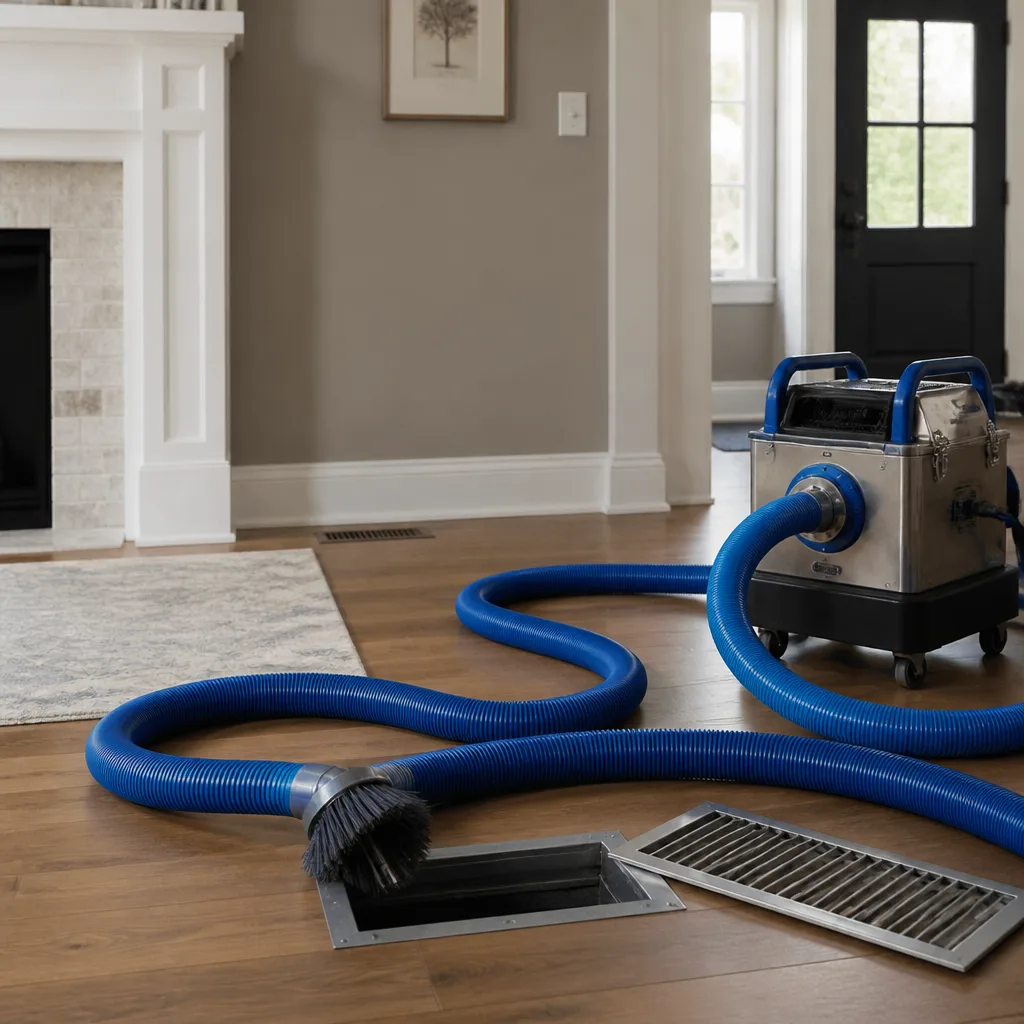 Whole-home duct cleaning
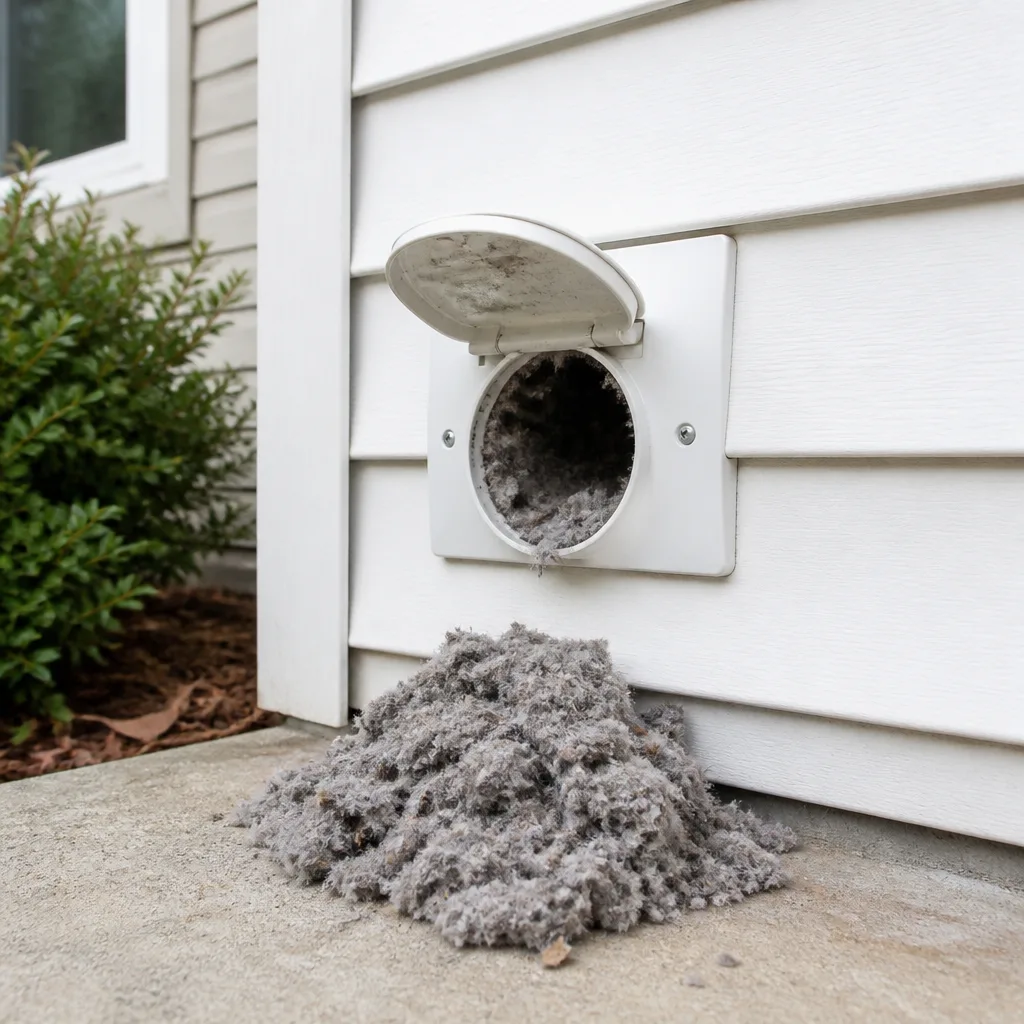 Dryer vent cleaning
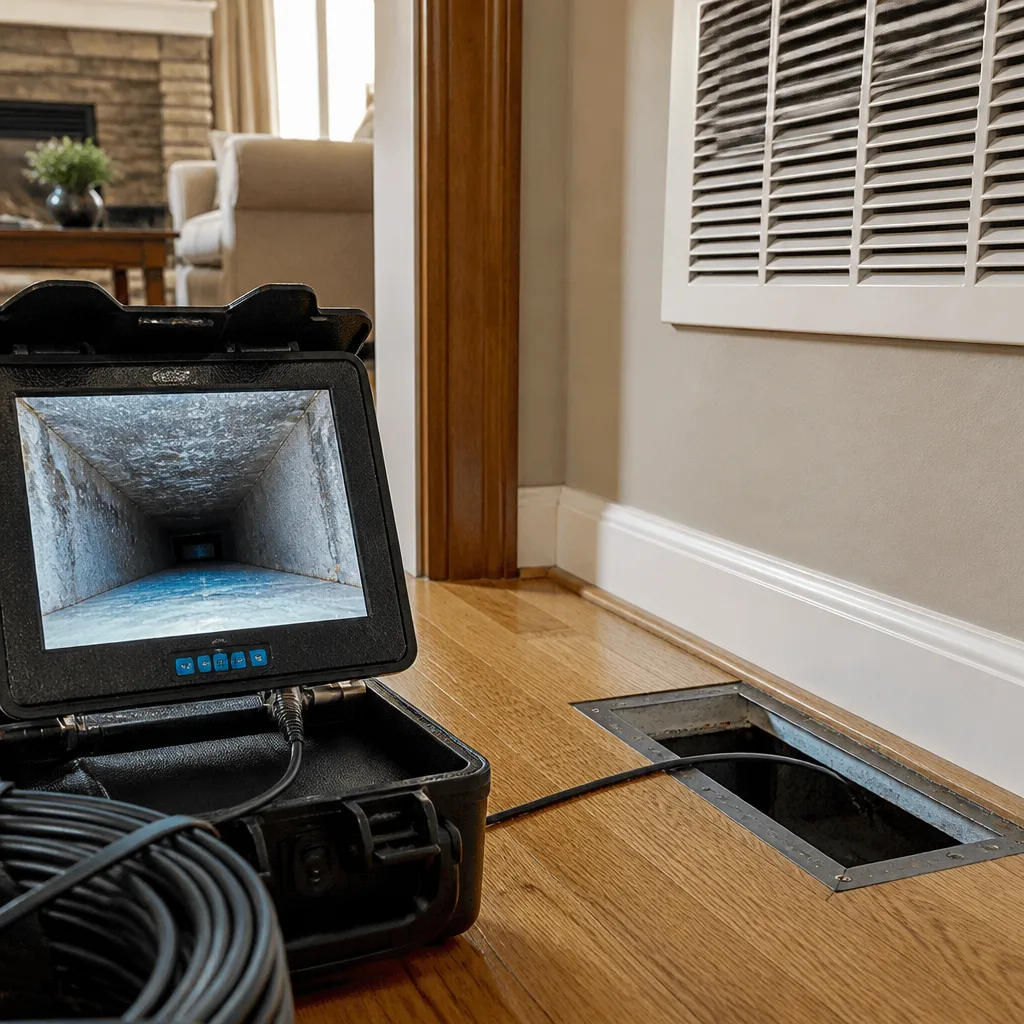 Camera inspection
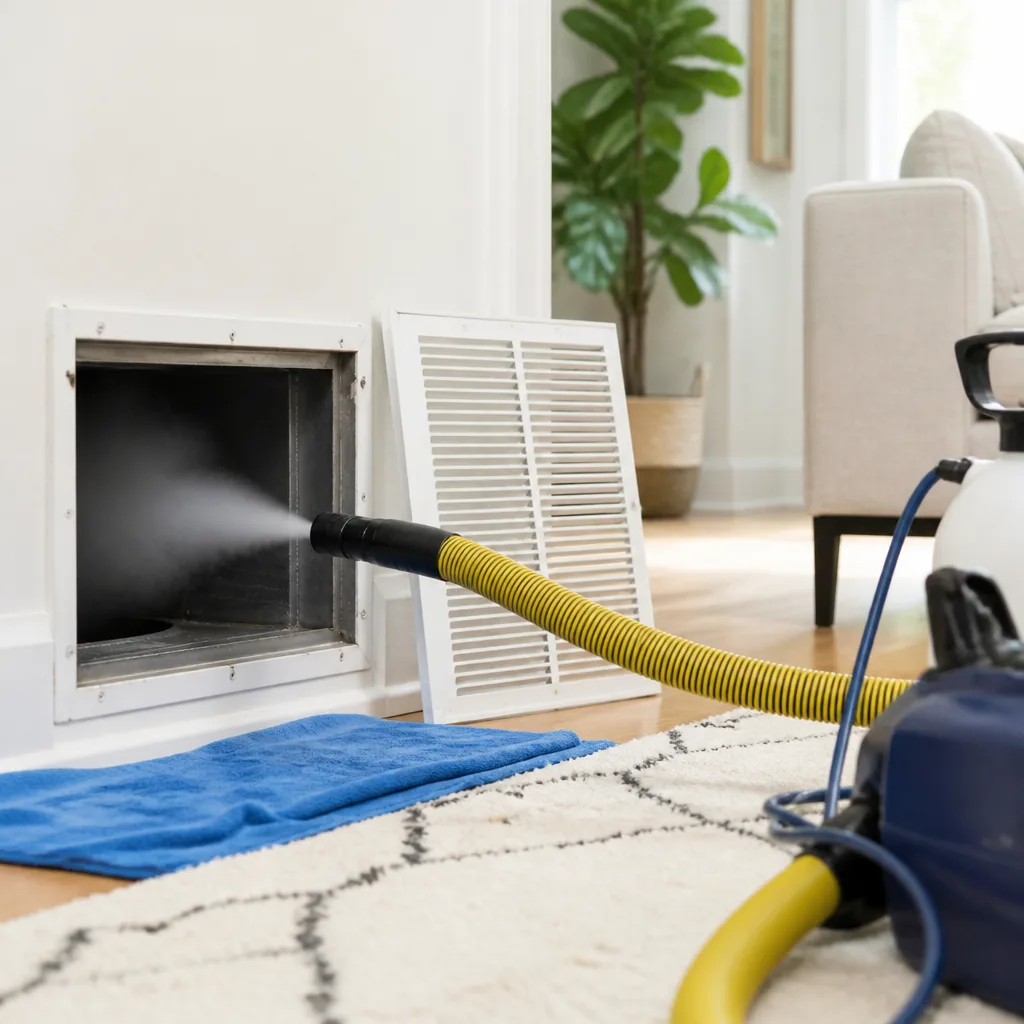 Sanitizing & deodorizing
Whole-system duct and dryer vent check with before-and-after photos - you see exactly what came out of your vents
That "$99 whole-house special" is a bait ad - the real number appears once they are in your hallway, or the "clean" is a shop-vac at the register. We photograph the inside of your ducts before and after instead.
Choosing the Right Air Duct Cleaning Brand: A Buyer’s Guide for Concourse
A contractor can claim every credential in the book, arrive in a wrapped van, and hand you an invoice that looks like it came from a hospital compliance office. None of that tells you what happened inside your ducts. The number that actually matters is the negative pressure the machine pulls at the register, and almost no consumer-facing duct cleaning content ever mentions it. We’ve seen jobs signed off as “complete” where the equipment ran at a fraction of the suction needed for true source removal. This guide is about the machines, the brands behind them, and the questions that get a Concourse homeowner a straight answer before anyone touches a vent.
Quick Answer
The most reliable way to judge a duct cleaning contractor in Concourse is to ask what equipment they run by brand and model, because professional-grade systems from manufacturers like Rotobrush, Nikro, and Abatement Technologies represent a capital and training investment that general handymen with a shop vac and a brush kit simply don’t make. Negative-pressure vacuums, agitation tools, and air whips each do a different part of the job, and a serious contractor can tell you exactly which ones they use and why. If the answer is vague, the equipment usually is too.
Styles & brands we work with
- Whole-home duct cleaning
- Dryer vent cleaning
- Camera inspection
- Sanitizing & deodorizing
Table of Contents
- The Three Equipment Categories That Define a Duct Cleaning Job
- Rotobrush vs. Nikro vs. Abatement Technologies: What Each Platform Is Built For
- Truck-Mounted vs. High-CFM Portable Units: Which Fits Concourse Buildings
- What HEPA Filtration Means While Your Ducts Are Being Cleaned
- How to Ask a Contractor About Equipment and Get a Real Answer
- Why Cleaning Alone Is Not Always the Full Job
- Dryer Vents: The Equipment Question Nobody Asks
- A Verification Checklist You Can Use Before Booking
The Three Equipment Categories That Define a Duct Cleaning Job
Professional duct cleaning is not one machine. It is a coordinated system of three tool types working together, and understanding what each does lets you evaluate a contractor’s capability in about five minutes of conversation. The same three categories show up on every serious residential job in Concourse, whether it’s a pre-war building near the Grand Concourse or a mid-century walk-up off Morris Avenue.
1. Negative-pressure vacuums. These are the engine of the whole operation. A vacuum connects to the duct system and pulls air through it, creating suction that carries loosened debris toward a collection point rather than into your living room. The spec that matters is CFM (cubic feet per minute) combined with the static pressure the unit can hold. A consumer-grade vacuum might pull a few hundred CFM; a professional unit built for duct work pulls substantially more and holds negative pressure across a larger system. The purpose of negative pressure is source removal: get the debris out of the system and into a HEPA-filtered collection bag or drum, not just stirred up and redistributed.
2. Agitation tools. Suction alone will not dislodge debris that has bonded to duct walls. Agitation tools physically break that bond. This includes rotary brushes, forward and reverse air-driven heads, and cable-driven brush systems that spin inside the duct as they push through. The quality of the agitation tool determines how much of the duct wall actually gets contacted, not just the air moving through the center of the run.
3. Air whips and air sweeps. These are compressed-air tools that blow jets in multiple directions, scouring duct walls and corners that brushes can miss. A good air whip reaches into branches and turns, and it works best in combination with negative pressure pulling the loosened material out at the same time.
When you read a contractor’s equipment list, check whether all three categories are represented. A company that owns a good vacuum but uses consumer-grade brushes and no air whip is doing half a job at full price. Air duct cleaning that skips agitation and relies on suction alone often looks clean at the register and still leaves debris on the walls of the trunk line.
Why the equipment list reveals the skill level
Tool selection is not just about money. A technician who understands why a forward-and-reverse rotary head outperforms a fixed brush on flexible duct has usually been trained on both. The equipment brand is a proxy: companies that buy professional platforms also tend to invest in the training that makes those platforms perform. That’s the correlation worth betting on when you’re comparing three quotes that all sound identical.
Rotobrush vs. Nikro vs. Abatement Technologies: What Each Platform Is Built For
These three manufacturers show up repeatedly in professional duct cleaning work, and each has a distinct design philosophy. Understanding the differences tells you whether a contractor’s equipment actually matches the ducts in your building.
Rotobrush is probably the most recognized name in residential duct cleaning. Its systems are built around a rotary brush on a flexible cable, paired with a HEPA-filtered vacuum. The platform is designed for residential duct sizes and is particularly effective on flexible and sheet-metal round duct, which is common in the older housing stock around Concourse. Rotobrush equipment is compact, portable, and built for one-technician operation. It is not designed for large commercial trunk lines, which is worth knowing when you’re evaluating a company that also claims commercial work.
Nikro covers a broader range of duct cleaning equipment, including negative-pressure machines, air whips, and specialty tools. Where Rotobrush leans toward an all-in-one residential system, Nikro is more modular: contractors build a setup from components. A company running Nikro equipment can select the vacuum and agitation tools to fit the specific job rather than accepting a single platform’s limits. In our experience, this modularity matters in Concourse buildings where duct layouts vary block by block and one configuration doesn’t fit all.
Abatement Technologies is the remediation-grade name on this list. The company’s filtration and negative-pressure equipment is used in commercial abatement and restoration work, where the standard for capturing airborne contaminants is higher than in routine residential cleaning. A duct cleaner that carries Abatement Technologies filtration equipment is signaling capability beyond the residential norm: the ability to hold a sealed, filtered negative-pressure environment while work is happening. That’s the difference between cleaning ducts and cleaning ducts without contaminating the rest of the home in the process.
Which platform fits Concourse residential buildings
Concourse’s building stock is largely multi-family rental and co-op, much of it mid-rise with interior duct runs and limited exterior wall access. That profile favors portable, modular systems (Rotobrush and Nikro) over truck-mounted rigs, and it rewards contractors who also run remediation-grade filtration (Abatement Technologies) when the building has had water intrusion, pest activity, or renovation dust. When we assess a job, the equipment question is a building question first: what duct types, what access, what’s been in the air.
Truck-Mounted vs. High-CFM Portable Units: Which Fits Concourse Buildings
There is a myth in this trade that truck-mounted equipment is always superior. It is not, and the reason is logistics. A truck-mounted vacuum is powerful, often pulling well over the CFM of a portable unit, but it needs a hose run from the truck to the duct system. On a single-family home with a driveway and an exterior wall, that’s easy. In a Concourse multi-family building with a courtyard entrance, a shared vestibule, and no parking near the unit, that hose run becomes a problem.
High-CFM portable units solve the access problem. A well-chosen portable system from a manufacturer like Nikro can hold adequate negative pressure at the register without needing a truck parked six feet from the front door. The trade-off is real: portables generally pull less total CFM than truck mounts. But CFM is not the only number that matters.
Why negative pressure at the register matters more than raw CFM
What actually removes debris is the pressure differential at the point of agitation. A truck-mounted system with high CFM that loses half its suction to a 100-foot hose run is not outperforming a portable unit placed close to the trunk line. The spec to look for is sealed negative pressure at the working register, and a competent contractor will tell you how they achieve it in your specific building.
- Single-family homes with exterior access: Truck-mounted or high-CFM portable both work well.
- Mid-rise and multi-family buildings: Portable units are usually necessary; ask about filtration capability.
- Units with interior duct runs and no exterior vent access: Portable modular systems (Rotobrush, Nikro) are the practical choice.
- Buildings with prior water damage or pest history: Prioritize remediation-grade filtration (Abatement Technologies) over raw suction.
If a contractor insists that truck-mounted equipment is the only professional option, ask them how they’ll achieve a sealed negative-pressure environment in your building. The answer tells you whether they’ve thought about it or are reciting a sales line.
What HEPA Filtration Means While Your Ducts Are Being Cleaned
Here is the part of duct cleaning that almost nobody explains to the homeowner. When you agitate debris inside a duct, that debris becomes airborne. If the vacuum collection system is properly sealed and HEPA-filtered, the airborne material is captured. If it’s not, some of it escapes into the room while the ducts are being “cleaned,” and you’ve spent money to temporarily worsen the air quality you were trying to improve.
HEPA stands for High-Efficiency Particulate Air, and the filter rating matters because it defines what particle size the system captures. A vacuum with an adequate HEPA filter on the exhaust captures fine particulate, including the dust, dander, and mold spores that were the reason you booked the job. A non-HEPA or inadequately filtered unit lets fine particles pass through the exhaust and back into your living space. On a job in a Concourse apartment with a single return and limited airflow, that escape is happening in the same rooms you eat and sleep in.
What to ask about filtration
- Ask whether the vacuum exhaust is HEPA-filtered, and ask for the filter rating.
- Ask whether the duct connections are sealed during cleaning, or whether registers are left open.
- Ask what happens if the vacuum collection drum fills mid-job. A properly sized system won’t leak; a small one will.
- Ask how they handle the return-side filter during cleaning, since a dirty filter can become a source of recontamination.
- Ask whether they use additional air scrubbing or filtration equipment for buildings with a known contamination history.
The answers to these five questions will separate a contractor who understands filtration from one who owns a vacuum. Remediation-grade equipment like Abatement Technologies exists precisely because airborne capture is a real engineering problem, not an afterthought.
How to Ask a Contractor About Equipment and Get a Real Answer
The problem with asking “what equipment do you use?” is that it invites a marketing answer. Every contractor claims to use “professional-grade” equipment. The fix is to ask questions that require a specific, verifiable response. We’ve found the following questions produce useful answers because there’s no way to fake them plausibly.
Seven questions with verifiable answers
- “What brand and model is your negative-pressure vacuum?” A contractor who runs Rotobrush or Nikro can name the model. A vague answer like “commercial-grade” is a problem.
- “What CFM does it pull, and at what static pressure?” Any technician who runs the machine regularly knows the rough numbers.
- “What agitation tools do you use, and how do you handle flexible duct vs. sheet metal?” The answer reveals whether they have more than one tool.
- “Is your exhaust HEPA-filtered, and what rating?” This separates filtration-capable contractors from vacuum-only operations.
- “Do you seal the registers during cleaning?” Yes is the only acceptable answer on a serious job.
- “What do you do if the inspection reveals damaged or disconnected duct sections?” A contractor who only cleans and can’t repair has a limit you should know about.
- “Can you show me before-and-after photos from a job, including the interior of the duct, not just the register?” Real documentation shows the work, not the marketing.
If a contractor gets defensive or evasive on any of these, that’s information. A specialist who’s confident in their setup will answer questions three through five in a sentence each. A generalist who bought a starter kit won’t have answers at all.
Why Cleaning Alone Is Not Always the Full Job
The best equipment in the world can’t fix ducts that are physically broken. This is the part of the job most crews skip, and it’s why the equipment question needs a follow-up question about scope. When a technician runs a camera or a brush through a duct run, they find things: separated flex duct at a fitting, crushed runs behind a renovation wall, gaps at register boots that leak air into the wall cavity. A crew that only cleans will note the discovery, hand you a report, and move on. You’re then left to find a second contractor to do the repair.
This is why Air Duct Cleaning Concourse treats duct repair and sealing as part of the same visit rather than a separate subcontract. When a partial run collapse shows up on the inspection camera, it gets documented and can usually be addressed in the same job. That keeps the work organized and prevents the situation where a freshly cleaned system is immediately leaking air through a gap that was found but not fixed.
What a full-scope service actually includes
- Air duct cleaning (the core service)
- HVAC cleaning (coils, blower, and components on the equipment side)
- Duct repair and sealing (fixing what inspection finds)
- Air quality and sanitizing (surface and air treatment)
- Dryer vent cleaning (a separate system with its own equipment)
A company that handles all five has an incentive to inspect carefully, because they’re set up to fix what they find. A company that only cleans has the opposite incentive: discovery slows the job. When you interview contractors in Concourse, the scope question matters as much as the equipment question.
Dryer Vents: The Equipment Question Nobody Asks
Dryer vent cleaning gets tacked onto duct cleaning quotes as though it were a bonus. It isn’t. A dryer vent is a separate system, it requires different equipment, and the failure mode is different from an air duct: lint accumulation in a vent is a fire hazard, and the National Fire Protection Association has documented this risk for years. If a contractor is running a dryer vent cleaning as an afterthought with the same shop vac they brought for the ducts, ask what lint-removal tools and vent brushes they use specifically.
A dedicated dryer vent cleaning involves proper vent brushes, a vacuum system capable of running the full vent length, and a check of the exterior termination. In Concourse buildings where the vent runs long and takes multiple turns to reach the exterior, the tool matters: a short brush doesn’t reach the outer run, and lint collected there is exactly the material that ignites. Equipment quality on a dryer vent job is not a minor question.
We treat dryer vent cleaning as its own service category rather than an add-on, because it deserves the same equipment discipline as the ducts. It also deserves its own scheduling conversation rather than a five-minute sweep at the end of a duct job.
A Verification Checklist You Can Use Before Booking
Here’s a practical way to compare contractors in Concourse without relying on sales calls. Work through this list for each company you’re considering, and score what they actually say, not what their website claims.
- Equipment brand and model. Can they name their vacuum, agitation tools, and air whip? Write them down.
- Filtration spec. Do they confirm HEPA exhaust filtration? What rating?
- Negative-pressure claim. Can they describe how they achieve source removal in your specific duct layout?
- Scope. Do they handle repair and sealing when inspection reveals damage, or do you need a second contractor?
- Sanitizing products. If they offer air quality and sanitizing, ask what products they use. (We use Guardsman-brand products in our sanitizing protocols, for example.)
- Dryer vent protocol. Do they clean dryer vents as a dedicated service with the right tools, or offer it as a free upsell with the same vacuum?
- Documentation. Will you get before-and-after photos of the actual duct interior, not just marketing shots?
- References from your building type. Ask for a job similar to yours in a similar Concourse building. Multi-family references are more useful than single-family ones if you’re in multi-family.
What “good” and “bad” answers look like
A good answer to the equipment question names models and explains why they chose that setup for the buildings they typically serve. A bad answer leans on adjectives (“professional-grade,” “top of the line”) with no specifics. A good answer to the scope question mentions repair and sealing as part of the service line. A bad answer says they’ll “note it in the report.” A good answer to the filtration question names HEPA and talks about sealed work areas. A bad answer says “we’re very careful.”
When you’re comparing estimates in Concourse, apply the same logic to the numbers: a quote that’s half the others is usually half the job. The equipment is where that difference originates. This applies equally to HVAC cleaning, where coil and blower work requires different tools than duct runs and shouldn’t be bundled without explanation.
Common Mistakes to Avoid
- Assuming the branded van means the right equipment. Van graphics are cheap; a Rotobrush or Nikro system is not. Ask about the machine, not the wrap.
- Choosing on price alone. A low bid in Concourse almost always reflects less equipment and less time. The vacuum that pulled adequate negative pressure and the one that didn’t look identical on the invoice.
- Not asking about the dryer vent separately. If dryer vent cleaning is included free with a duct quote, ask what tools they use on the vent. If the answer is a shop vac, treat it as a separate job.
- Accepting register-only before-and-after photos. A clean register grate tells you nothing about the inside of the duct. Insist on interior photos.
- Ignoring what the inspection finds. Disconnected duct sections and crushed runs are common in older Concourse buildings. If the contractor can’t repair them, you’ll be hiring twice.
- Booking without confirming filtration. Non-HEPA exhaust can spread contaminants during cleaning. Ask before the truck shows up, not during.
- Believing the “all ducts are the same” pitch. Flexible duct, sheet metal, and rigid board all respond differently to agitation tools. A one-tool crew has a one-trick job.
See the difference
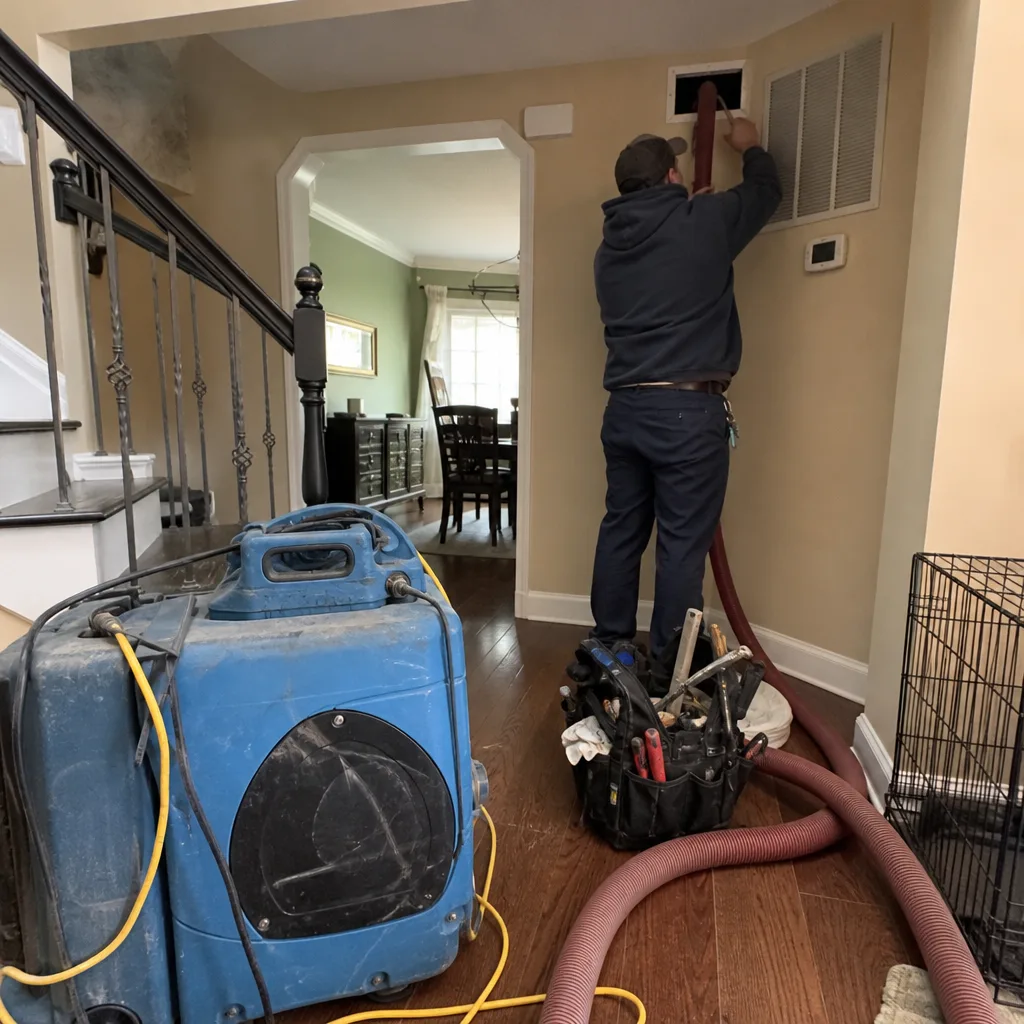 Before
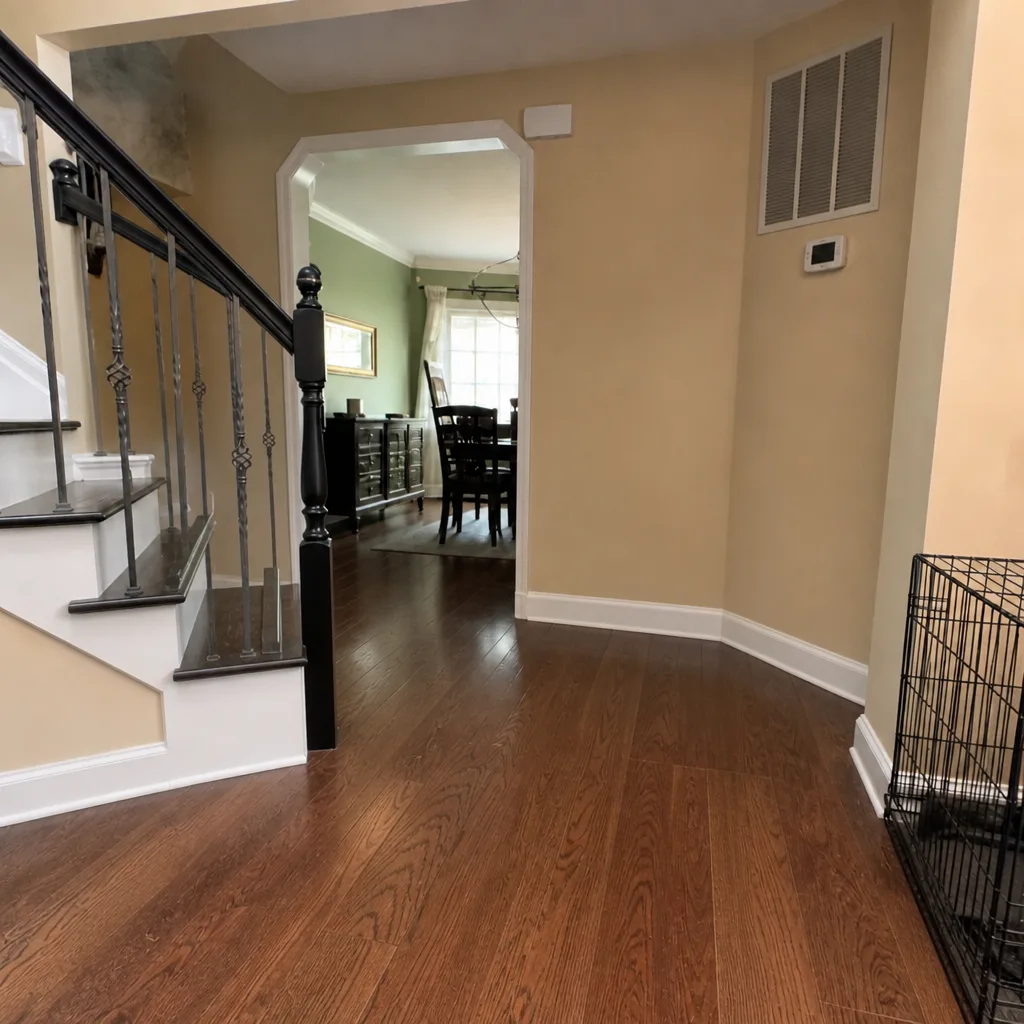 After
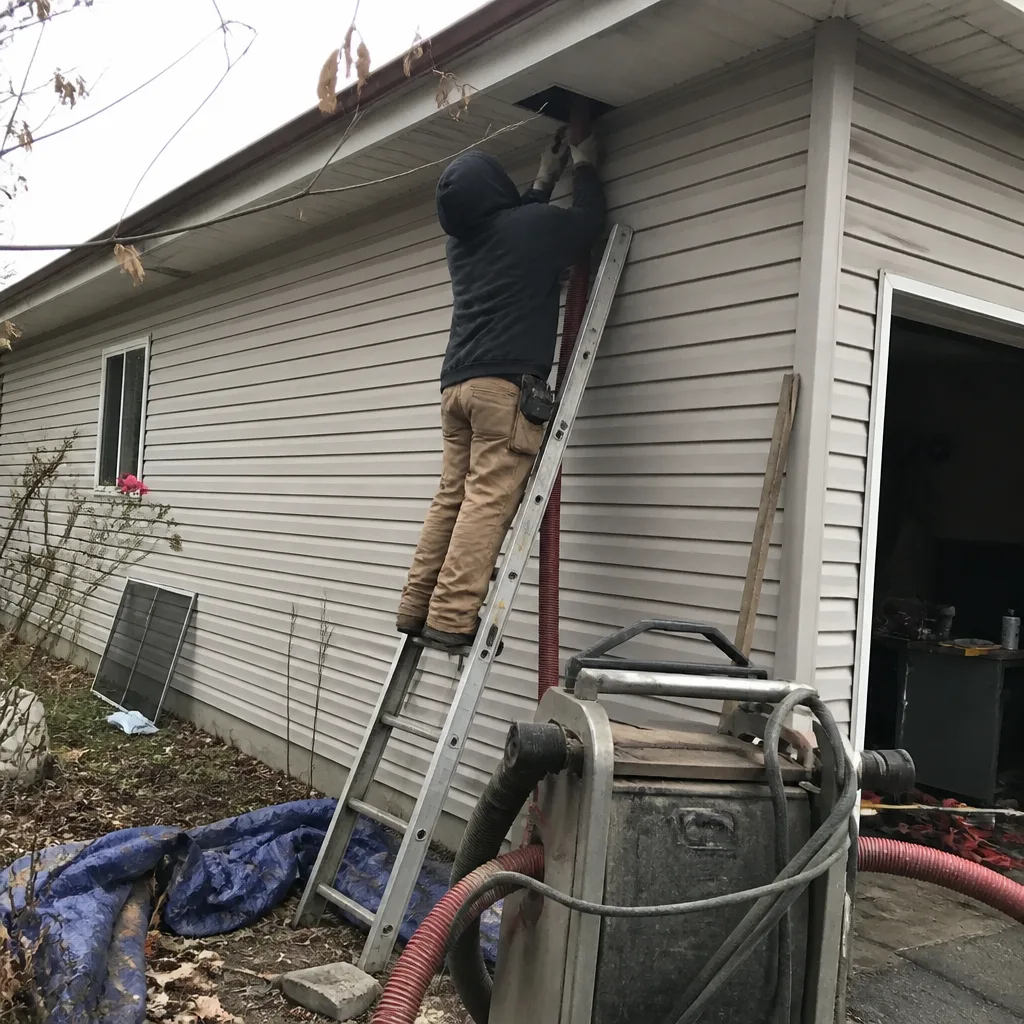 Before
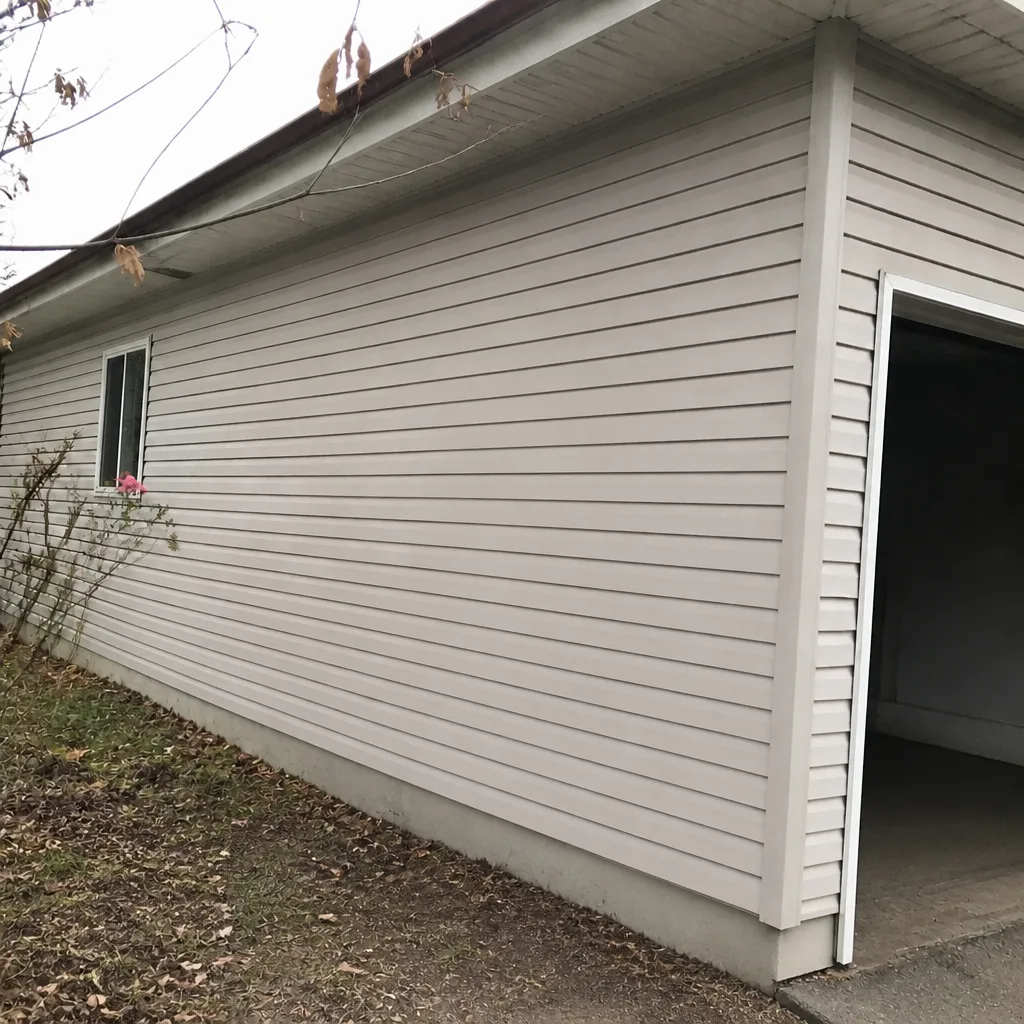 After
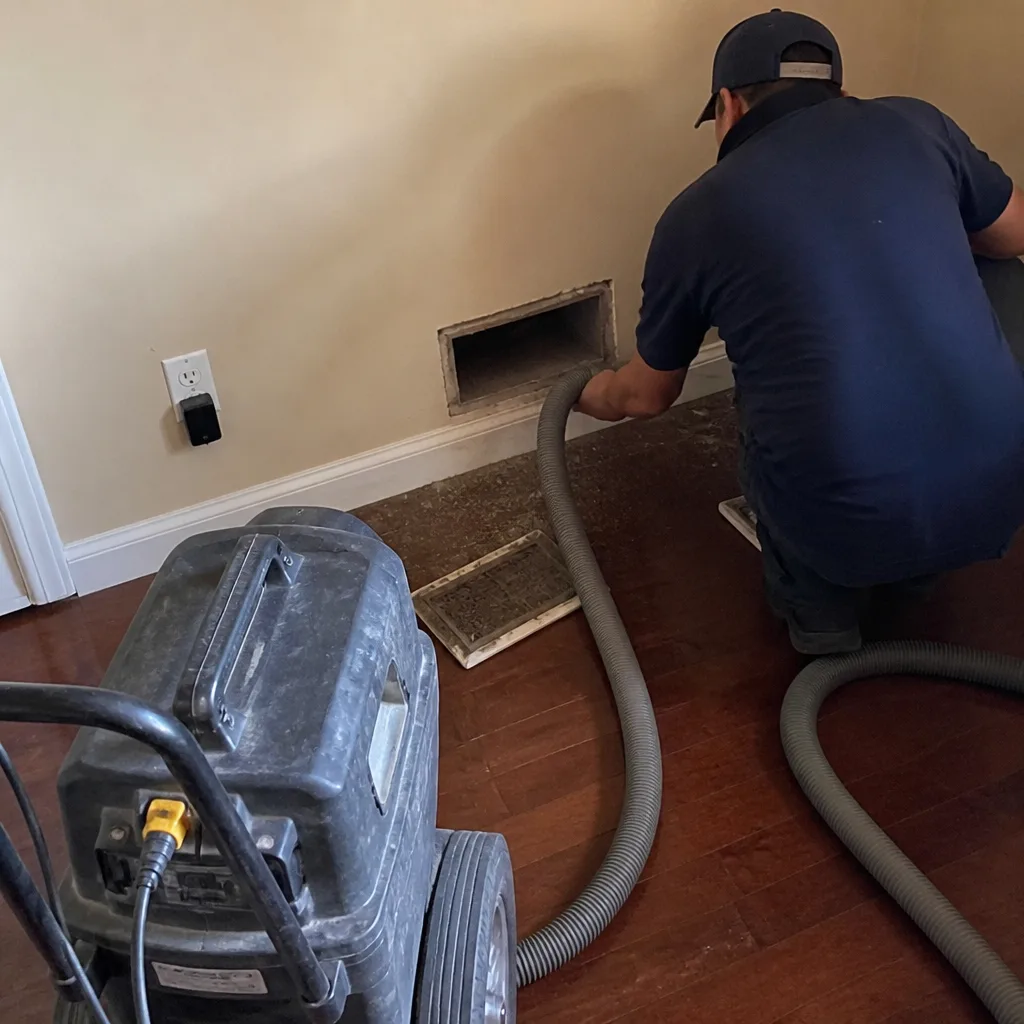 Before
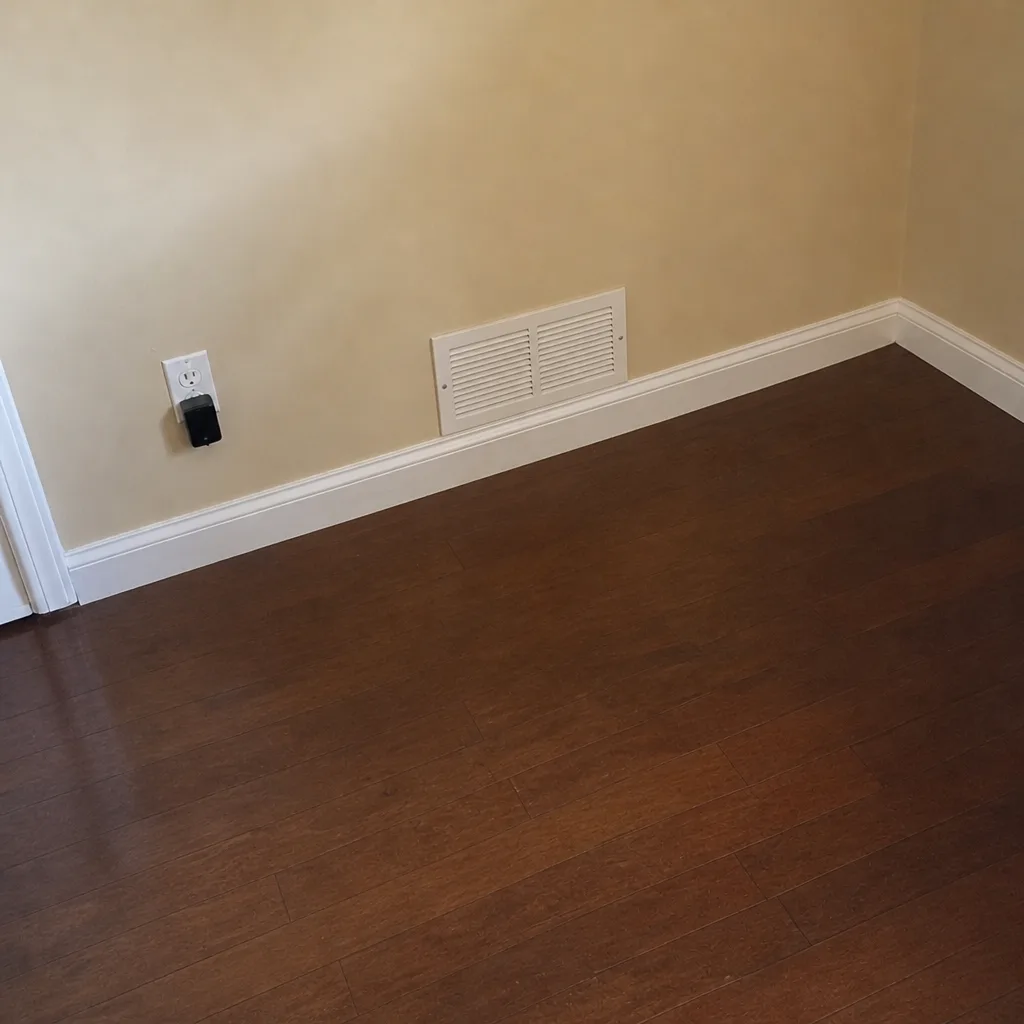 After
When to Call a Professional
Some air quality problems are obvious and some aren’t. The following situations are ones where the equipment question matters enough to get a consultation. If you’re seeing increased dust in the home that returns within days of cleaning, visible debris at registers, or visible mold growth near a duct joint, that’s a sign to get an inspection. If your building has had a water intrusion event or a pest issue, the ducts are a possible reservoir and should be evaluated. If your dryer is taking noticeably longer to dry a load, the vent likely needs professional cleaning with the right tools. If you’re a property manager responsible for tenant air quality in a Concourse multi-family building, a documented inspection is worth more than a verbal assurance. Air Duct Cleaning Concourse offers free estimates in Concourse. Call (855) 947-0512. We answer 24/7. Fast dispatch from 7am to 7pm, Sunday through Friday. Our technicians have up to 15 years of experience, and the local pro we connect you with is licensed and insured as their state requires. The estimate is free, and the written estimate sets the final price.
Frequently Asked Questions
There’s no single best brand, but the most common professional-grade setups for Concourse residential buildings come from Rotobrush, Nikro, and Abatement Technologies. Rotobrush is a strong fit for flexible and round sheet-metal residential ducts. Nikro offers modular negative-pressure and agitation components. Abatement Technologies provides remediation-grade filtration for buildings with contamination history. The right answer depends on your duct type and building, so ask the contractor to explain the fit before booking.
Cost depends on the number of registers, duct layout, building access, and whether repair or sealing is included. We don’t quote per-vent prices or teaser figures, because they don’t reflect the work. The written estimate sets the final price, and it’s agreed before work starts. Call (855) 947-0512 for an exact quote. Estimates are free.
A cheap quote usually reflects less equipment, less time, and less filtration. The contractor may be running a consumer or entry-level vacuum without adequate negative pressure, skipping agitation tools, or not sealing registers during cleaning. That’s the bait-and-switch pattern in this trade, and it’s why we commit to one flat price per system agreed before work begins. If a quote is dramatically lower, ask the equipment questions on this page before accepting it. Call (855) 947-0512 with questions.
Ask for before-and-after photos of the interior of the duct, not just the register grate. A proper job will also include documentation of what the inspection found, including any duct damage or leaks. That’s the standard we work to. Call us if you want a walkthrough before booking.
There’s no universal schedule. Households with pets, allergy sufferers, recent renovation, or a water intrusion event tend to benefit from more frequent cleaning. A building with no dust history and a clean return filter may not need it on a fixed schedule. If your building has a specific situation, an inspection will tell you more than a general timeline. Call (855) 947-0512 to discuss your building.
Yes, and the reason is simple: professional-grade equipment from manufacturers like Rotobrush, Nikro, and Abatement Technologies costs meaningfully more than a shop vac and a brush kit. A contractor willing to invest in that equipment has also invested in the training to run it. The equipment list is a proxy for the operational seriousness of the company. A vague answer to the equipment question is a warning sign worth taking seriously.
The Bottom Line
When you’re choosing duct cleaning in Concourse, ask about the machines before you ask about the price. The brand and model of the negative-pressure vacuum, the agitation tools, the air whip, and the filtration system tell you more about the job than any brochure can. A contractor running Rotobrush, Nikro, or Abatement Technologies equipment has committed capital and training to the work. A contractor who can’t name their equipment hasn’t. Use the questions in this guide, compare the answers across at least three quotes, and prioritize companies that can handle repair and sealing along with cleaning so the work isn’t split across two contractors. Your ducts are a system, not a set of separate vents.
Call (855) 947-0512 for a free estimate from Air Duct Cleaning Concourse. We answer 24/7. Fast dispatch from 7am to 7pm, Sunday through Friday. One flat price per system, agreed before work starts.
Written by the team at Air Duct Cleaning Concourse.