
Last updated November 22, 2026
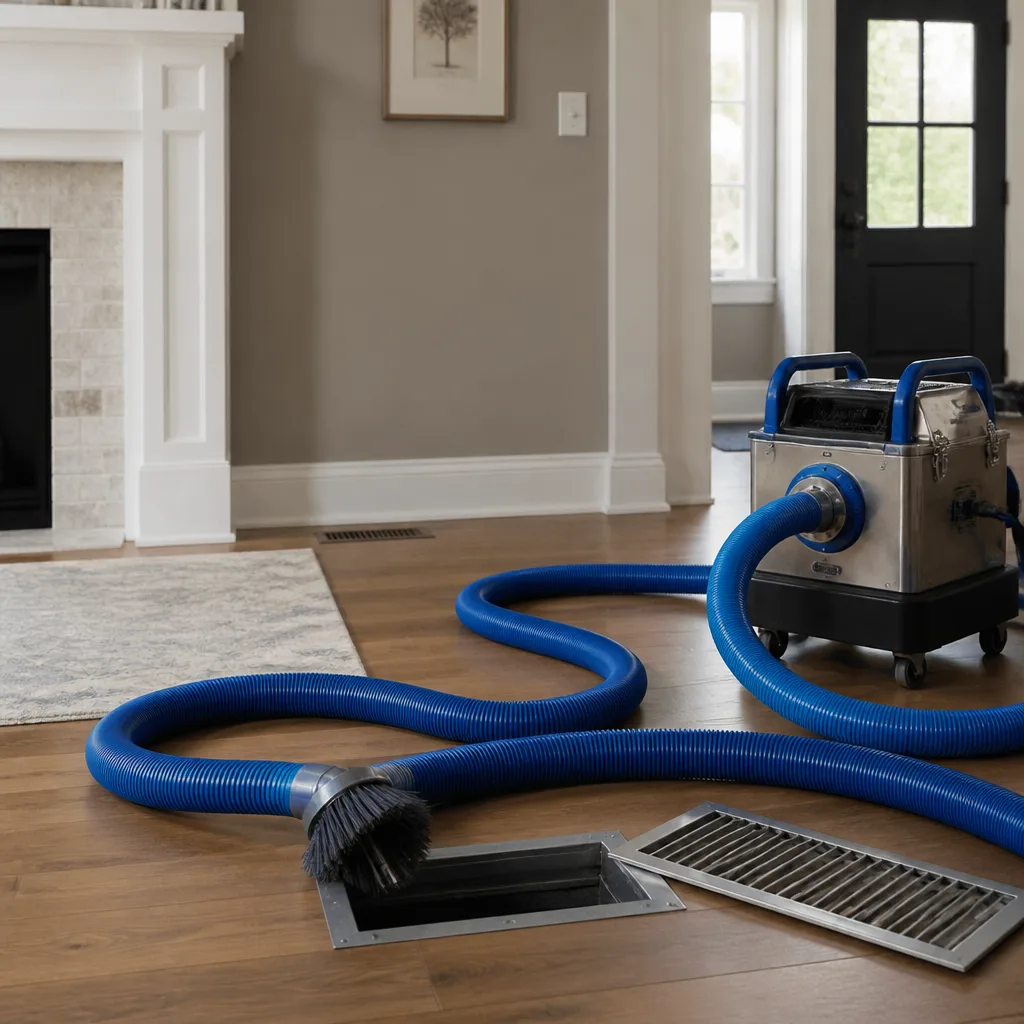 Whole-home duct cleaning
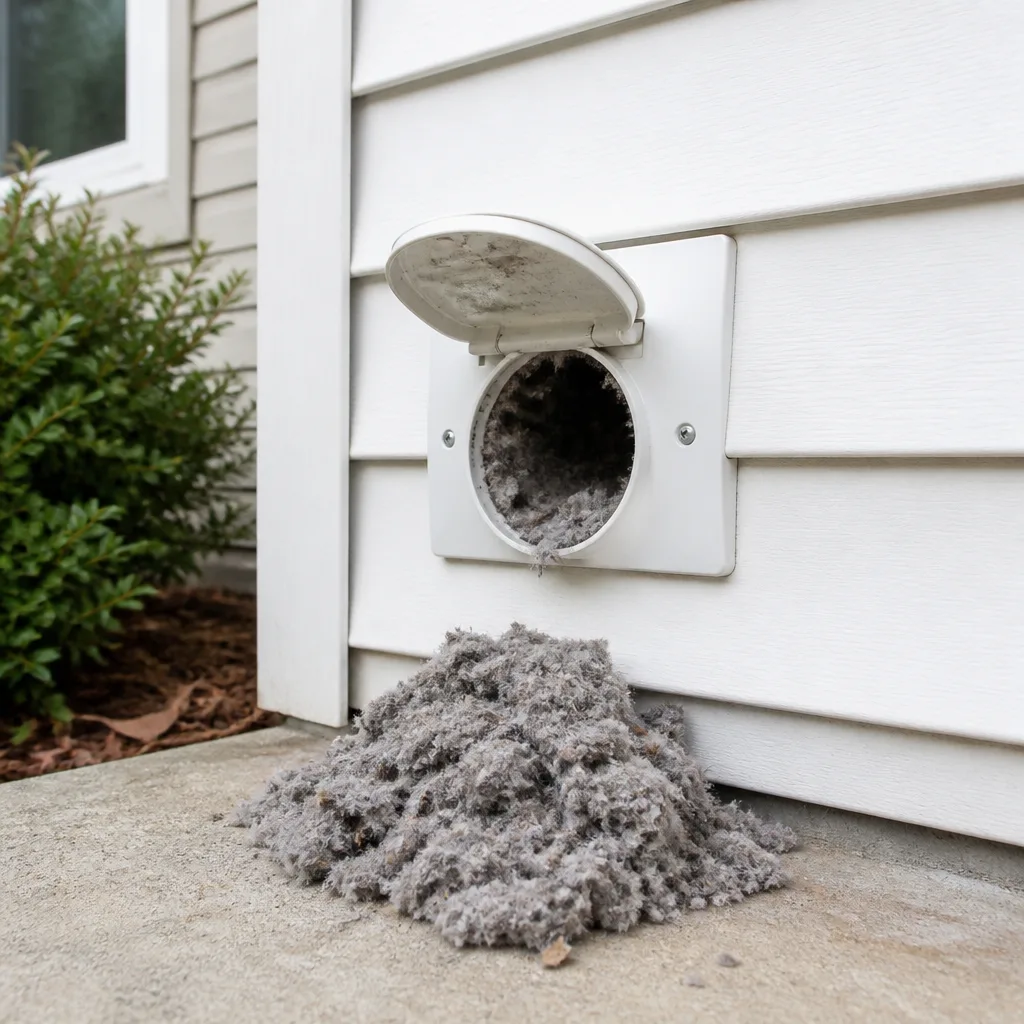 Dryer vent cleaning
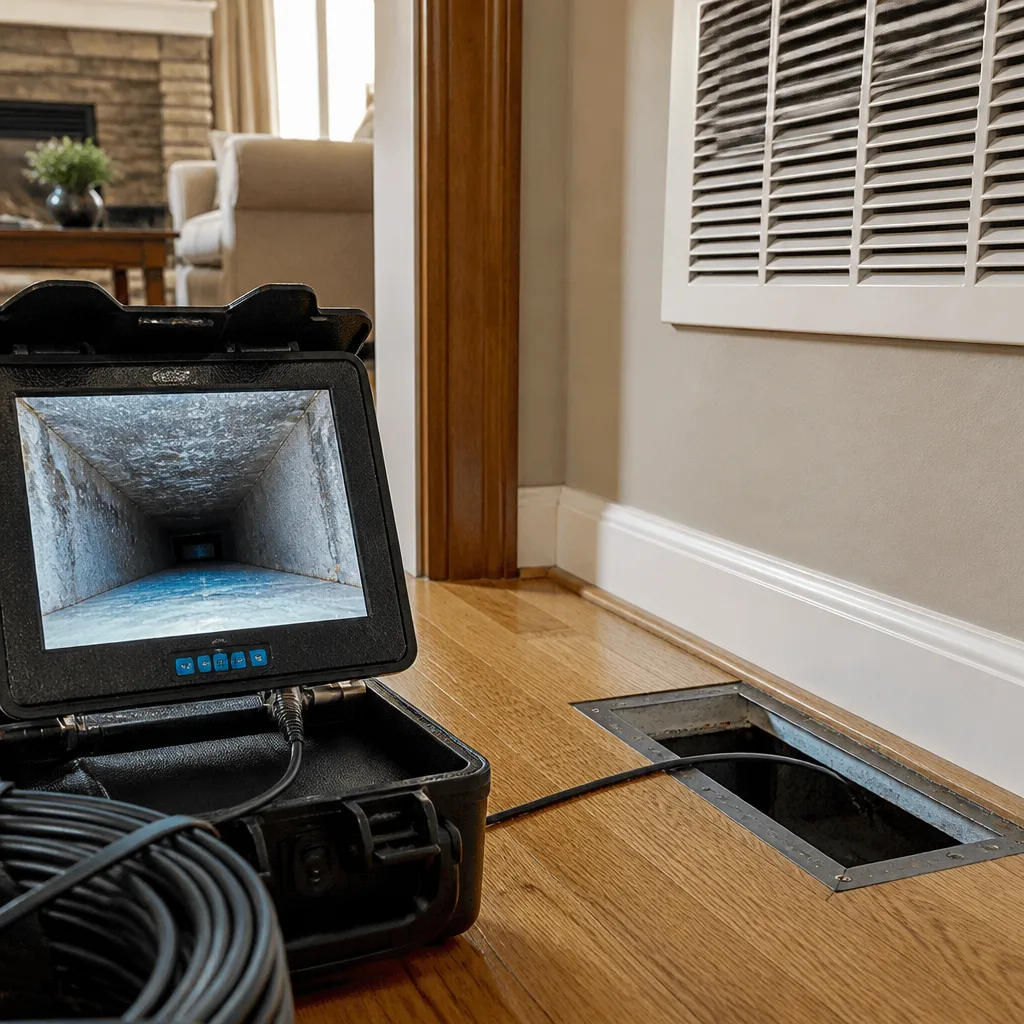 Camera inspection
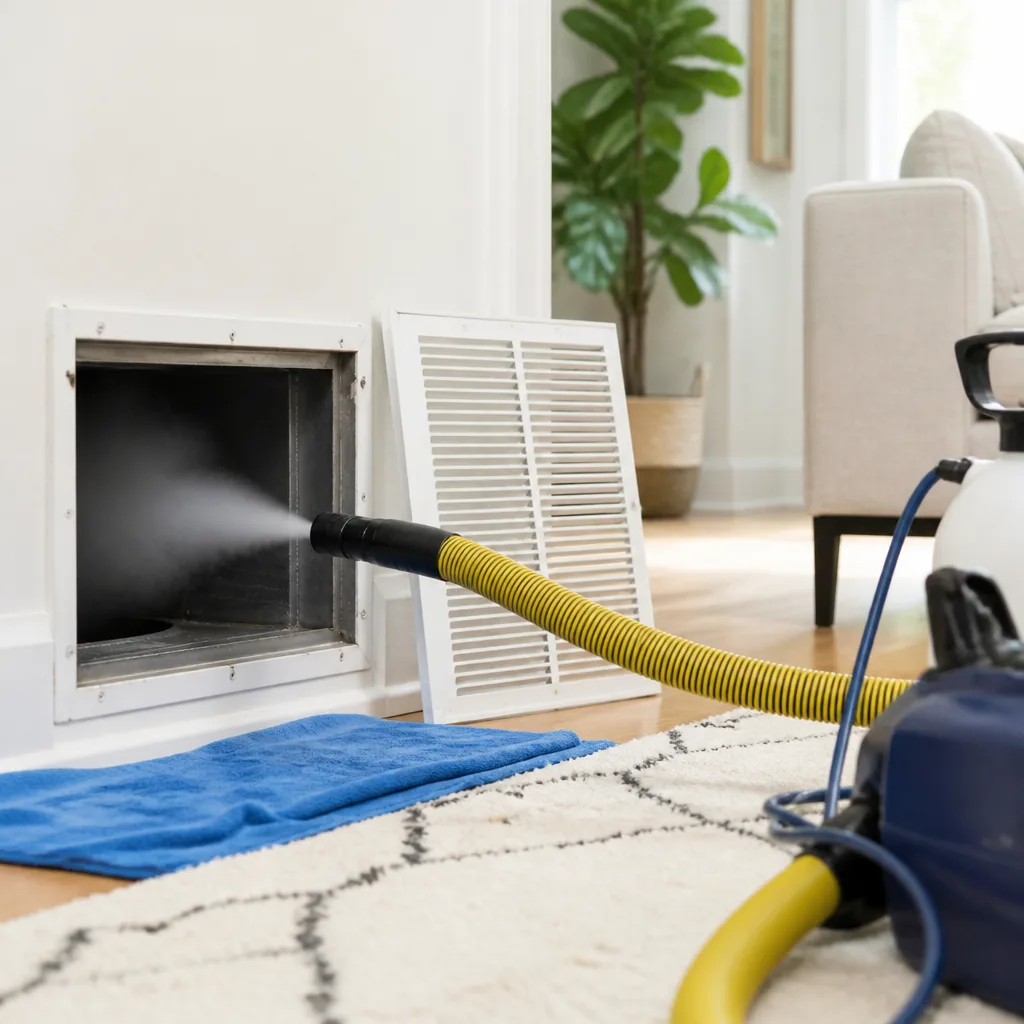 Sanitizing & deodorizing
Whole-system duct and dryer vent check with before-and-after photos - you see exactly what came out of your vents
That "$99 whole-house special" is a bait ad - the real number appears once they are in your hallway, or the "clean" is a shop-vac at the register. We photograph the inside of your ducts before and after instead.
Air Duct Cleaning Warning Signs: A Concourse Homeowner’s Reference Guide
A dusty shelf six inches in front of a supply register usually isn’t a housekeeping failure. It’s your duct system announcing that it has crossed its aerosol-emission threshold, shedding particulate into the room every time the blower cycles. Most Concourse homeowners read that dust as normal and vacuum it away. The signals that actually matter come earlier and quieter than most people expect. This guide covers the mechanical and measurable warning signs we look for when inspecting ductwork: particulate discharge, uneven room temperatures, odor profiles that point to microbial growth, allergy symptoms keyed to HVAC runtime rather than season, and the sixty-second startup smell test. By the end, you’ll know how to read each one in a Concourse home and when it’s time to act.
Quick Answer
The warning signs that matter most in Concourse ductwork are mechanical, not visual: dust concentration inside the supply air path, temperature gaps between rooms of four degrees or more, odors that appear only when the blower starts, and allergy symptoms that track with HVAC runtime rather than pollen season. Surface dust and visible register crumbs are lagging indicators. The early signals show up in airflow behavior and smell long before the inside of a duct looks bad.
Styles & brands we work with
- Whole-home duct cleaning
- Dryer vent cleaning
- Camera inspection
- Sanitizing & deodorizing
Table of Contents
- Sign #1: Active Particulate Discharge vs. Normal Register Dust
- Sign #2: Uneven Room Temperatures and What They Reveal
- Sign #3: Odor Profiles (Mold vs. Bacteria vs. Rodent)
- Sign #4: Allergy Symptoms That Track HVAC Runtime
- The Blower-On Startup Smell Test
- What a Mechanical Inspection Actually Measures
- Common Mistakes to Avoid
- When to Call a Professional
Sign #1: Active Particulate Discharge vs. Normal Register Dust
Every duct system deposits some dust on and around its registers. The question is whether that dust is settling passively from the room air or being actively pushed out of the duct. Those are two very different diagnoses, and one simple observation separates them.
Run the blower for twenty minutes, then wipe a six-inch radius around one supply register with a white paper towel. Wait forty-eight hours without running the system, and wipe again. If the white towel picks up the same heavy load on the second pass, the system is actively discharging particulate every time it cycles. If the second towel stays mostly clean, you’re seeing ambient household dust that settled into place, which is a housekeeping issue, not a duct issue.
A second test is visual: hold a flashlight at a low angle across the register louvres during a blower cycle. A faint haze of moving particulate in the light beam means the supply air path is shedding. Clear air means it isn’t.
What “Aerosol-Emission Threshold” Actually Means
Inside a duct, dust builds up along the bottom and side walls until airflow starts to lift it. Once the accumulated layer reaches that point, the duct becomes a source instead of a channel. In Concourse homes with forced-air systems that run through humid summers and dry winter stretches, the threshold gets crossed faster than most people assume because the dust binds with a thin condensation film and then dries into a friable crust. Professional-grade equipment from Rotobrush and Nikro is what pulls that crust out without simply blowing it back through the register.
If you want to understand what a proper duct cleaning involves before you diagnose your own system, that link explains the process from blower door to final fogging.
Sign #2: Uneven Room Temperatures and What They Reveal
If one room in your Concourse home runs two to four degrees colder than the thermostat set point in summer, or warmer in winter, that gap is a diagnostic. It rarely means the furnace or AC is “getting old.” It usually means a section of duct is partially blocked, disconnected, or crushed.
Temperature gaps are particularly common in the older Concourse building layouts: pre-war multi-unit buildings, basement-to-first-floor trunk transitions, and the tight ceiling plenums in some mid-century rowhouses where flex duct was fished through an opening too small for its own diameter. When flex duct is compressed to seventy percent of its original cross-section, static pressure rises and the airflow to that room collapses.
How to Measure the Gap
- Set the thermostat to a fixed temperature and let the system run for thirty minutes.
- Place a reliable thermometer in the center of each conditioned room, away from windows and supply registers.
- Record readings every ten minutes for an hour.
- A stable gap of four degrees or more in one or two rooms points to a duct problem, not a thermostat problem.
- A gap that swings wildly between cycles is more often a collapsed flex section or a disconnected joint.
Duct repair and sealing catches both cases. Sealing is the part most “inspect-and-leave” outfits skip. Once you know the gap exists, the fix is a physical repair (a new flex section, a mastic-sealed joint, a re-taped connection) followed by a static-pressure check to confirm the room now hits its target.
Sign #3: Odor Profiles (Mold vs. Bacteria vs. Rodent)
Smell is an underused diagnostic tool. Mold, bacteria, and rodent activity inside ductwork each have a distinct odor signature, and once you know the three profiles, you can often narrow the problem before anyone opens a panel. The nose is a real instrument, not a substitute for one, but it’s a fast one.
Mold
Mold in ductwork smells like a damp basement, wet cardboard, or an old library book that got rained on. It’s a musty, earthy, persistent smell that tends to fade during long idle periods and return when the system has been running for a while. In Concourse, the classic setup is a humid summer, an AC coil that stays wet between cycles, and a cool dark plenum just downstream of it. That combination is what the coil pan is for and what mold exploits.
Bacteria
Bacteria have a sharper, sourer, more sulfurous or “gym bag” odor. Bacteria in ductwork almost always point to standing water somewhere in the system: a clogged condensate line, a pan that isn’t draining, or a humidifier that’s been sitting wet. If you smell a sour note when the blower starts, the problem is upstream of cleaning and needs a moisture fix first. Cleaning only the ducts won’t remove the source.
Rodent
Rodent activity inside ducts produces a sharp, musky, ammonia-tinged smell that’s most noticeable in the first minute after the blower starts. Droppings and urine-soaked insulation don’t just smell. They contaminate. A duct system with confirmed rodent activity needs contamination-level treatment, which is where Abatement Technologies filtration equipment and a Guardsman sanitizing protocol come into play. The odor is the symptom; the source is the point.
Sign #4: Allergy Symptoms That Track HVAC Runtime
Seasonal allergies rise and fall with pollen counts. Duct-related allergies rise and fall with the blower. That difference is the diagnostic. If a household member’s symptoms spike on days the heating or cooling is running hard and drop on days the system stays off, the trigger is in the supply air, not the outdoor air.
This is the most under-reported warning sign in our experience, and the easiest to test without any equipment. Ask the affected person to note:
- Symptom severity on a running-HVAC day versus an all-idle day.
- Whether symptoms ease when they leave the house for a full day.
- Whether the pattern holds across two different seasons (which rules out pollen).
- Whether bedrooms near the air handler tend to be the worst.
When the answer to all four is “yes,” the next step is a look inside the supply plenum and a review of the filtration. Honeywell and Aprilaire filter systems are the standard upgrades at that point because they raise MERV ratings without choking airflow. Cleaning alone helps, but a properly sized filter upgrade is what prevents the same load from re-accumulating within a year.
The Blower-On Startup Smell Test
The first sixty seconds of any heating or cooling cycle are the most informative sixty seconds in the house. Here’s why. When the blower starts, it pushes a slug of air through every branch of the system before it settles. Whatever’s sitting in the heat exchanger, the supply plenum, or the return-drop filters gets mixed into that slug and delivered to the nearest register. Nothing in the system is more revealing.
What the First 60 Seconds Can Tell You
- Dry, metallic, or “hot dust” smell within the first 20 seconds: normal for the first cycle of the season, not normal in July. Persistent, it points to a dirty blower wheel or an accumulation on the heat exchanger fins. That’s HVAC cleaning territory, not duct cleaning.
- Musty or damp cardboard: mold in the supply plenum or the coil pan.
- Sour or gym-bag: bacterial growth from standing water somewhere upstream.
- Faint ammonia or musk: rodent contamination in the return side.
- Rotten-egg or sulfur smell: stop and call a professional immediately. Natural gas appliances share the plenum on many Concourse systems, and any sulfur smell near the furnace is a safety issue, not a duct issue.
Run this test once a season, at the first cycle of the day. Write down what you smell and when. It’s a two-minute habit that catches problems before they show up as visible dust or respiratory irritation.
What a Mechanical Inspection Actually Measures
The warning signs above tell you something is off. A mechanical inspection tells you what. That distinction matters because most duct “inspections” on offer in Concourse are visual only: a technician shines a light down a branch and says yay or nay. A real inspection numbers the system. Here’s what a professional-grade inspection measures:
- Static pressure across the supply and return sides. Anything outside the manufacturer’s spec range tells you the system is restricted, even if the ducts look clean.
- Airflow at each register (in CFM) compared to the design load on that branch.
- Particulate load in the return drop, checked before and after cleaning with a before-and-after photographic record of the customer’s own ductwork.
- Duct integrity: disconnected joints, crushed flex, missing insulation, rodent chews.
- Filtration rating and housing condition, plus the fit of the filter in its slot.
Our technicians have up to 15 years of experience running these checks with Rotobrush and Nikro equipment, and the measurement set above is what separates a professional service from a light pass with a shop vac. It’s also how we catch the “inspect-and-leave” scenario: once a branch is measured, it either passes or it doesn’t, and the customer sees the numbers.
Common Mistakes to Avoid
- Vacuuming the registers and calling it done. Register dust is the visible symptom, not the source. The contamination sits in the run between the register and the plenum, and surface vacuuming doesn’t reach it.
- Assuming a low quote means the work will be cheaper. In Concourse, the cheapest per-vent ads almost always convert to a mid-job upsell for repair, sanitizing, or “insulation treatment.” Ask for a flat price per system, written down, before anyone starts.
- Skipping the dryer vent in the same visit. Lint accumulation in a dryer vent is a fire hazard, separate from the air-quality work. Dryer vent cleaning as a dedicated service is a real safety issue, and it should not be an afterthought tacked onto a duct job.
- Cleaning without sealing. A duct system that leaks at thirty percent of its joints will re-contaminate within a few months. Duct repair and sealing belongs in the same scope, not a separate visit to a second contractor.
- Upgrading the filter without fixing the housing. A high-MERV filter that sits loose in a slot is worse than a plain filter that fits tight; unfiltered air bypasses the whole filter.
- Reading pollen patterns as HVAC patterns. If allergy symptoms track with the season and not the blower cycle, the trigger is outside the house. Don’t chase the wrong system.
- Treating a sulfur smell like a duct problem. Any gas odor is a stop-and-call situation, not a cleaning job. It’s a safety issue on gas-fired equipment, and no cleaning technician should touch the ductwork until the gas side is cleared.
See the difference
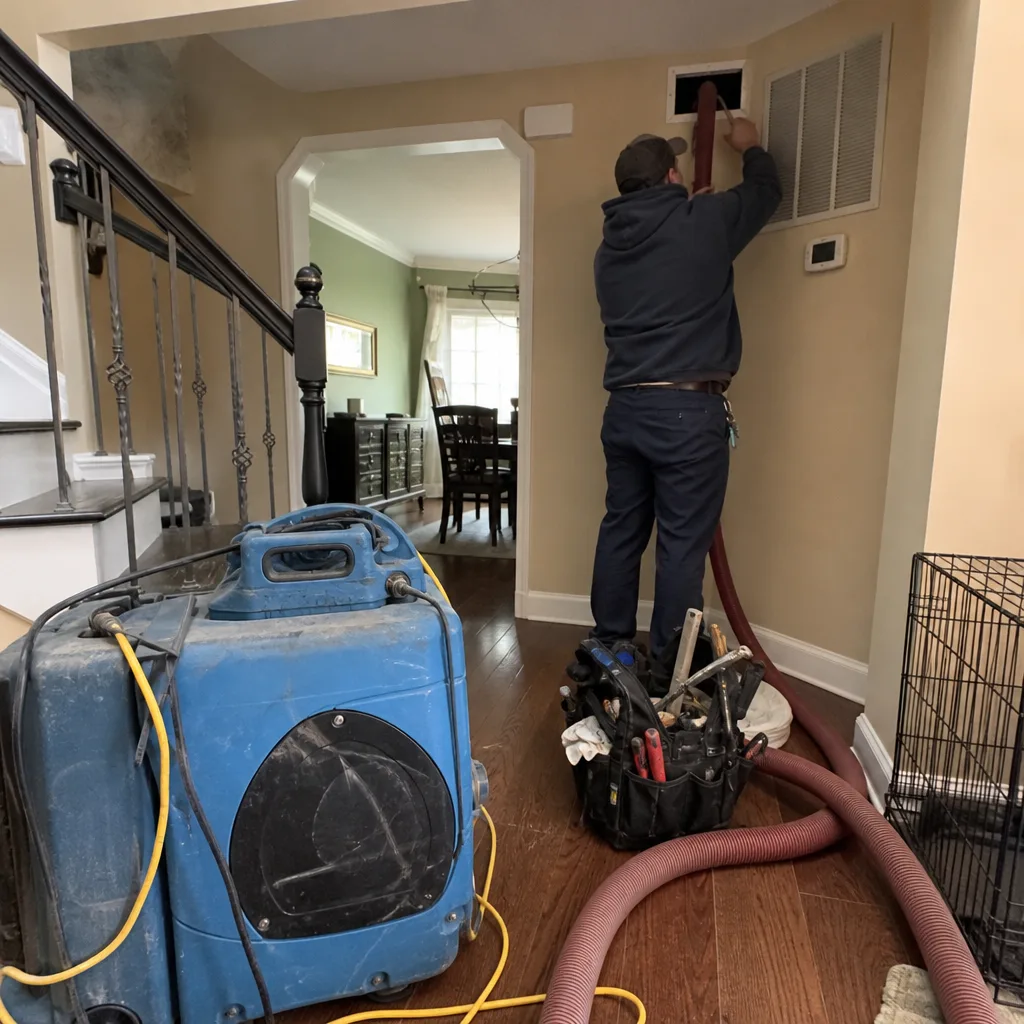 Before
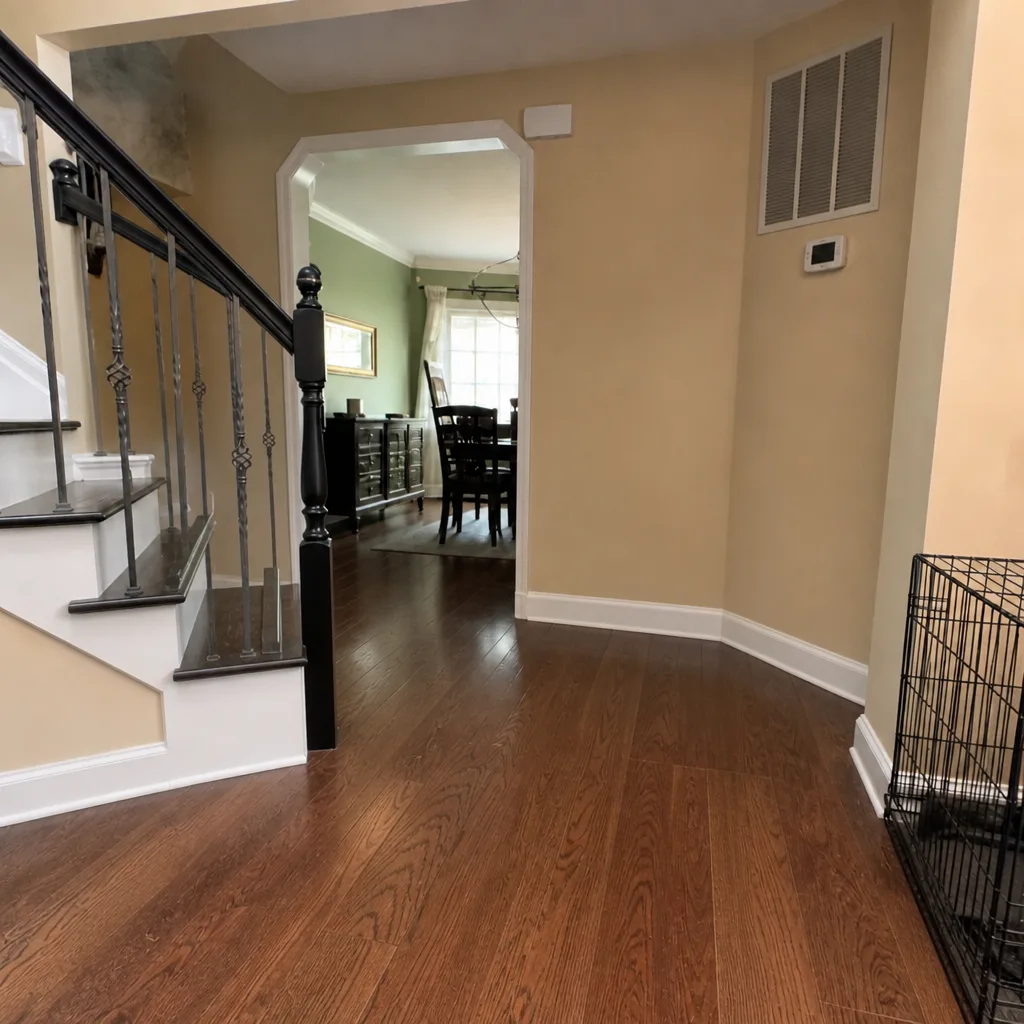 After
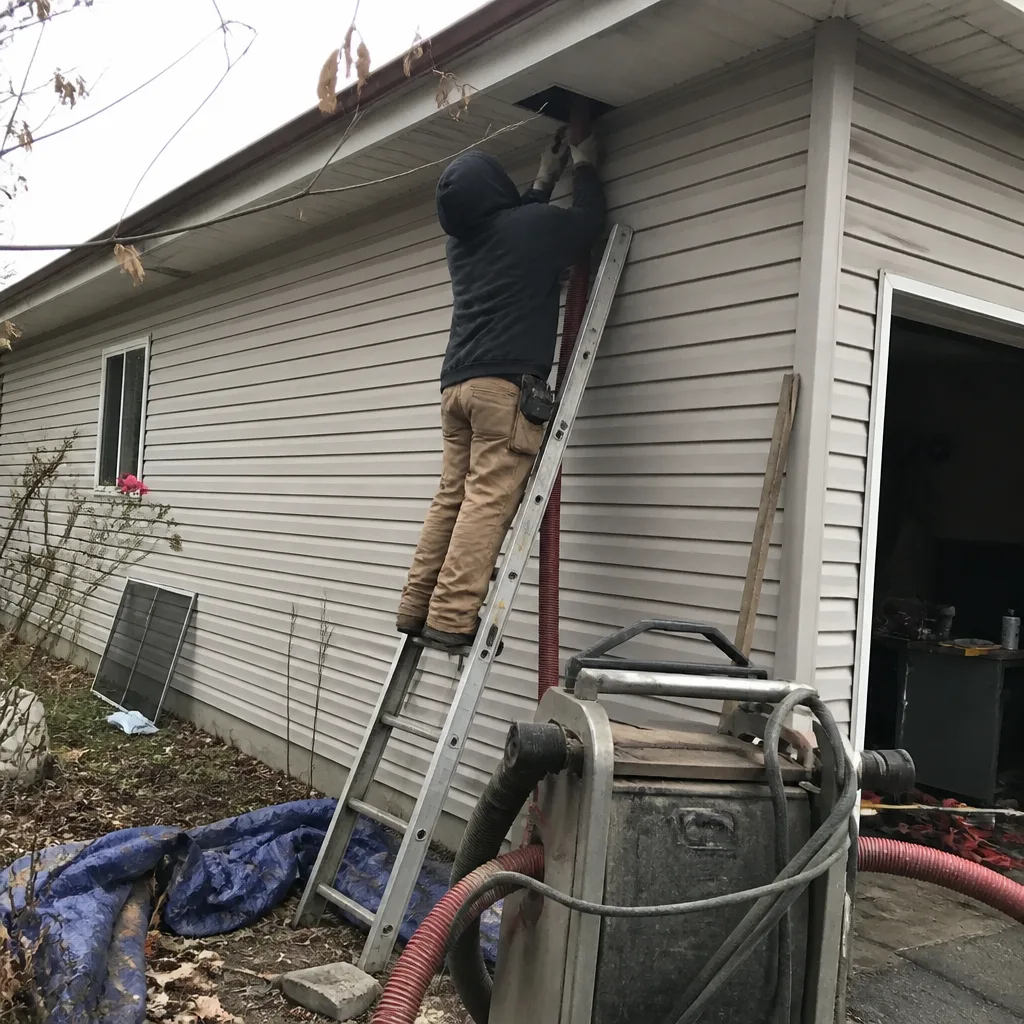 Before
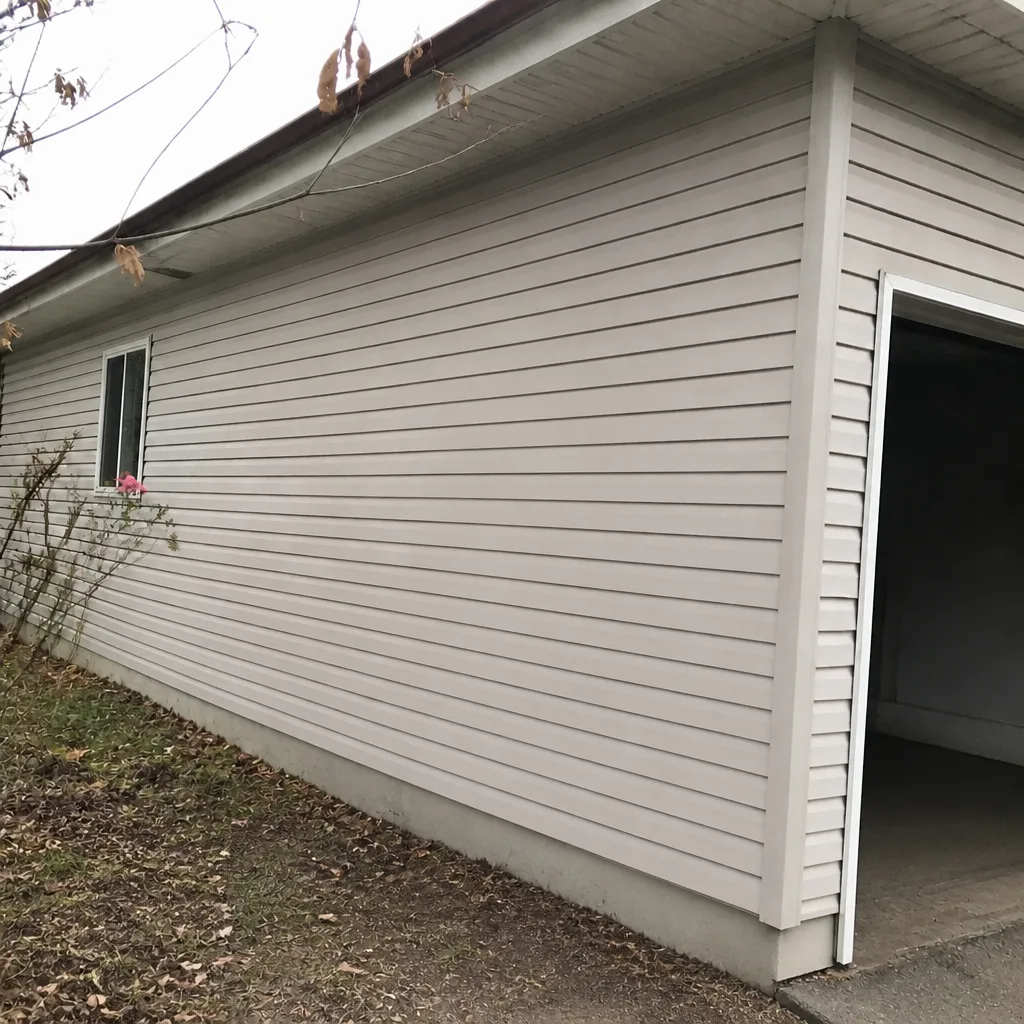 After
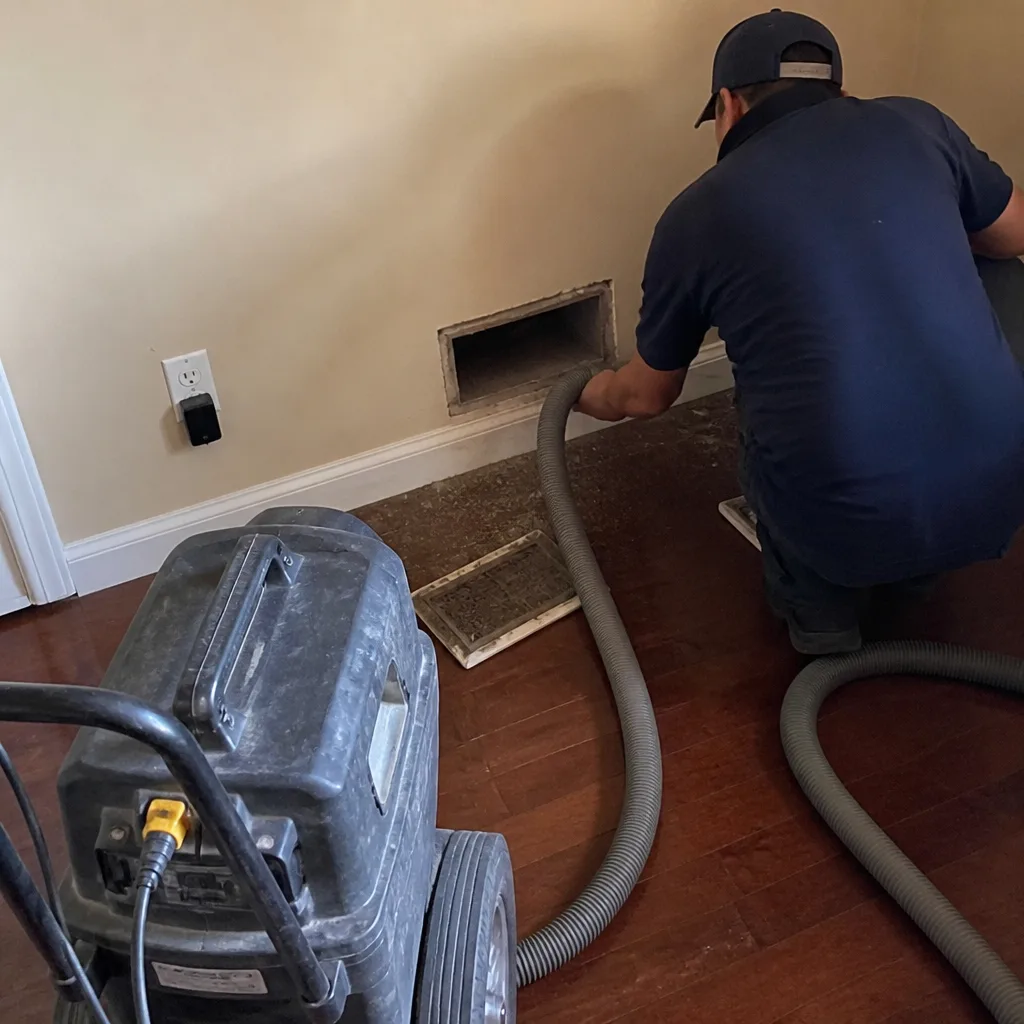 Before
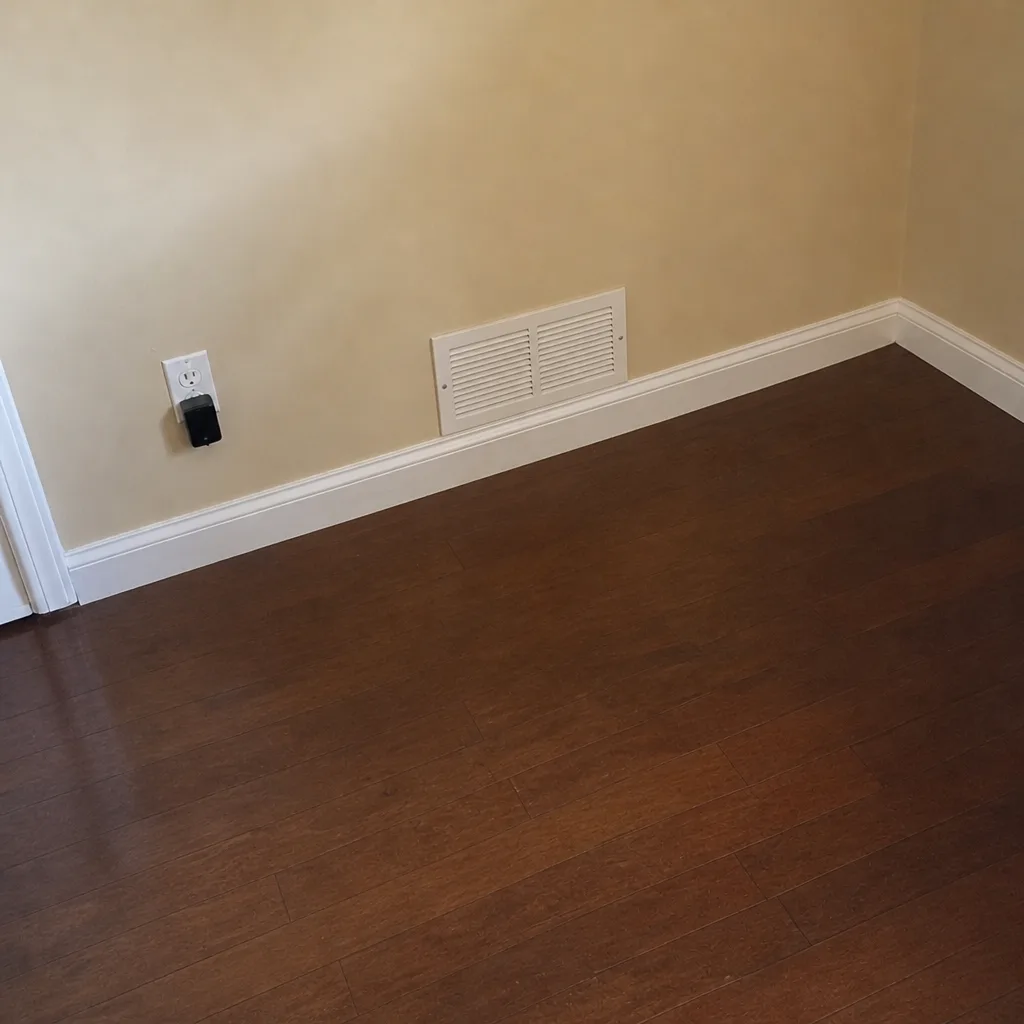 After
When to Call a Professional
Call a professional when any of the four core signs show up together, or when one of them repeats over two seasons. Specifically: a white-towel test that shows heavy particulate on the second wipe, a four-degree room-to-room temperature gap that persists, an odor that appears within the first minute of blower operation, or allergy symptoms that track with HVAC runtime across two different seasons. Any confirmed rodent odor is a call today, not next month. Any confirmed sulfur smell near a gas appliance is a call to your gas utility first, then a call to us for the ducts after the source is cleared. Air Duct Cleaning Concourse offers free estimates in Concourse. Call (855) 947-0512. We answer 24/7. Fast dispatch from 7am to 7pm, Sunday through Friday.
Frequently Asked Questions
The white-towel test is the deciding test. Wipe a six-inch radius around a supply register after twenty minutes of blower runtime, wait forty-eight hours with the system off, then wipe again. Heavy particulate on the second wipe means the system is actively discharging and needs cleaning. A clean second towel means you’re seeing ambient dust that settled, and the ducts are fine. If the second wipe is borderline, call (855) 947-0512 and we’ll talk you through the read.
Most Concourse homes need it every few years, not every year, and some go longer. The real triggers are the warning signs in this guide: particulate discharge, temperature gaps, odor patterns, and runtime-correlated allergies. Homes with pets, recent renovation dust, or a history of rodent activity need it more often. If none of the signs apply, hold off.
Because they’re not quoting the same work. A low per-vent quote usually covers a light pass with consumer-grade equipment, with the real repair, sanitizing, or sealing cost appearing once the technician is inside. The honest approach is one flat price per system, agreed before work starts, with before-and-after photos of your own ducts. Anything short of that is a teaser price.
Yes, in most cases. Musty and earthy points to mold. Sour or gym-bag points to bacteria from standing water. Sharp ammonia or musk points to rodents. Sulfur or rotten-egg is a gas issue, not a duct issue, and warrants a call to your gas utility. If you’re not sure which profile fits, run the startup smell test and note the timing: mold tends to build after the system has been running, while rodent odor hits in the first sixty seconds.
It can, if the trigger is in the ducts. If symptoms track with blower runtime across two seasons, cleaning plus a proper filter upgrade with a Honeywell or Aprilaire system often makes a measurable difference. If symptoms follow pollen counts instead, the trigger is outside the house and duct cleaning won’t reach it. The symptom-tracking test tells you which situation you’re in.
Both, under one scope. Cleaning alone on a leaking or crushed duct system just re-contaminates, so duct repair and sealing is part of the same visit, not a second contractor. We also handle air duct cleaning, dryer vent cleaning, HVAC cleaning, and air quality and sanitizing. Call (855) 947-0512 for a free estimate.
The Bottom Line
The warning signs that ductwork needs attention live upstream of visible dust. The white-towel test catches active particulate discharge. A thermometer catches temperature gaps that point to blockage. Your nose catches mold, bacteria, and rodent profiles by smell well before the inside of the duct looks bad. And the sixty-second startup smell test catches most of the rest. Concourse homes with humid summers and older flex-duct runs tend to show these signs earlier than newer construction, and catching them early is cheaper and cleaner than dealing with degraded air for a season. Start with the tests in this guide. If the signs show up, call (855) 947-0512 for a free estimate and get the system measured properly. We answer 24/7. Fast dispatch from 7am to 7pm, Sunday through Friday.
If you’re comparing options, read up on air duct cleaning and HVAC cleaning before you book, and check whether dryer vent cleaning is on your to-do list too. Air Duct Cleaning Concourse covers the full scope.
Written by the team at Air Duct Cleaning Concourse.