
Last updated November 22, 2026
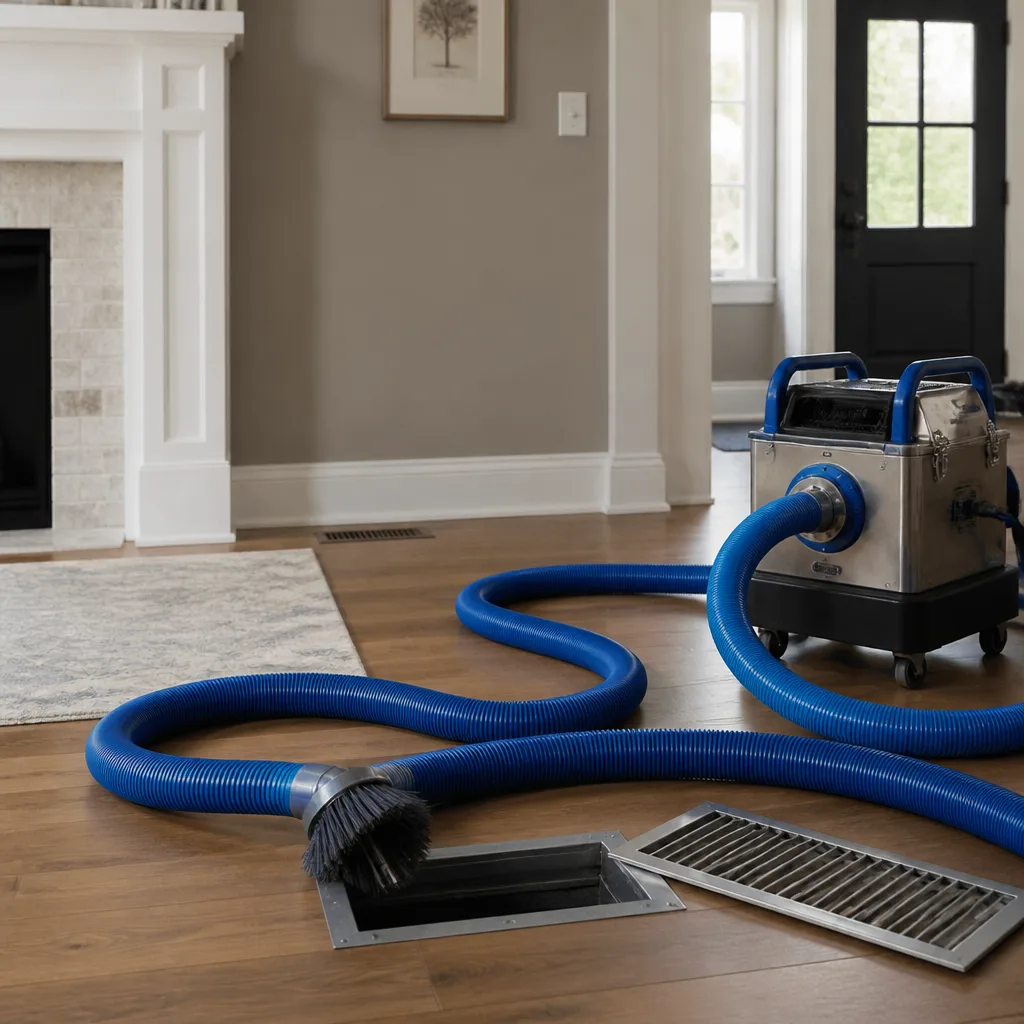 Whole-home duct cleaning
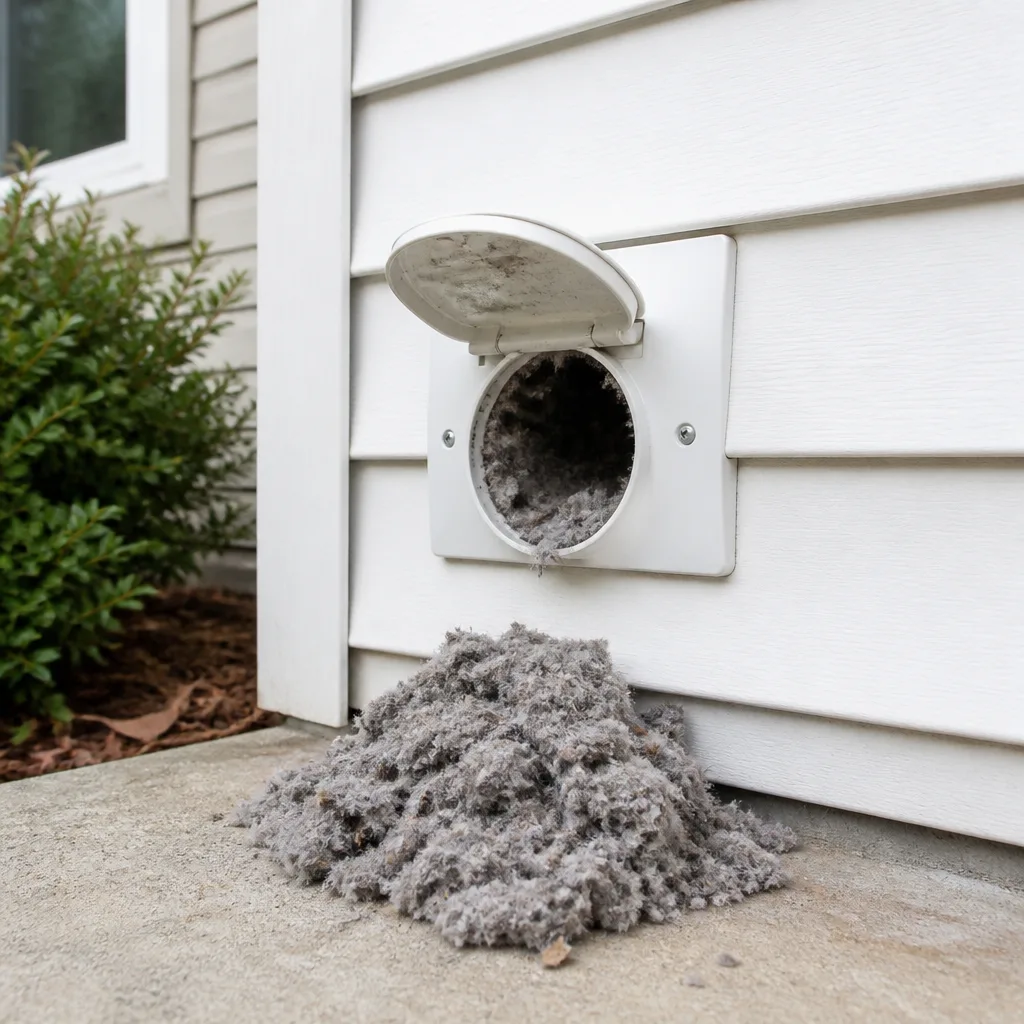 Dryer vent cleaning
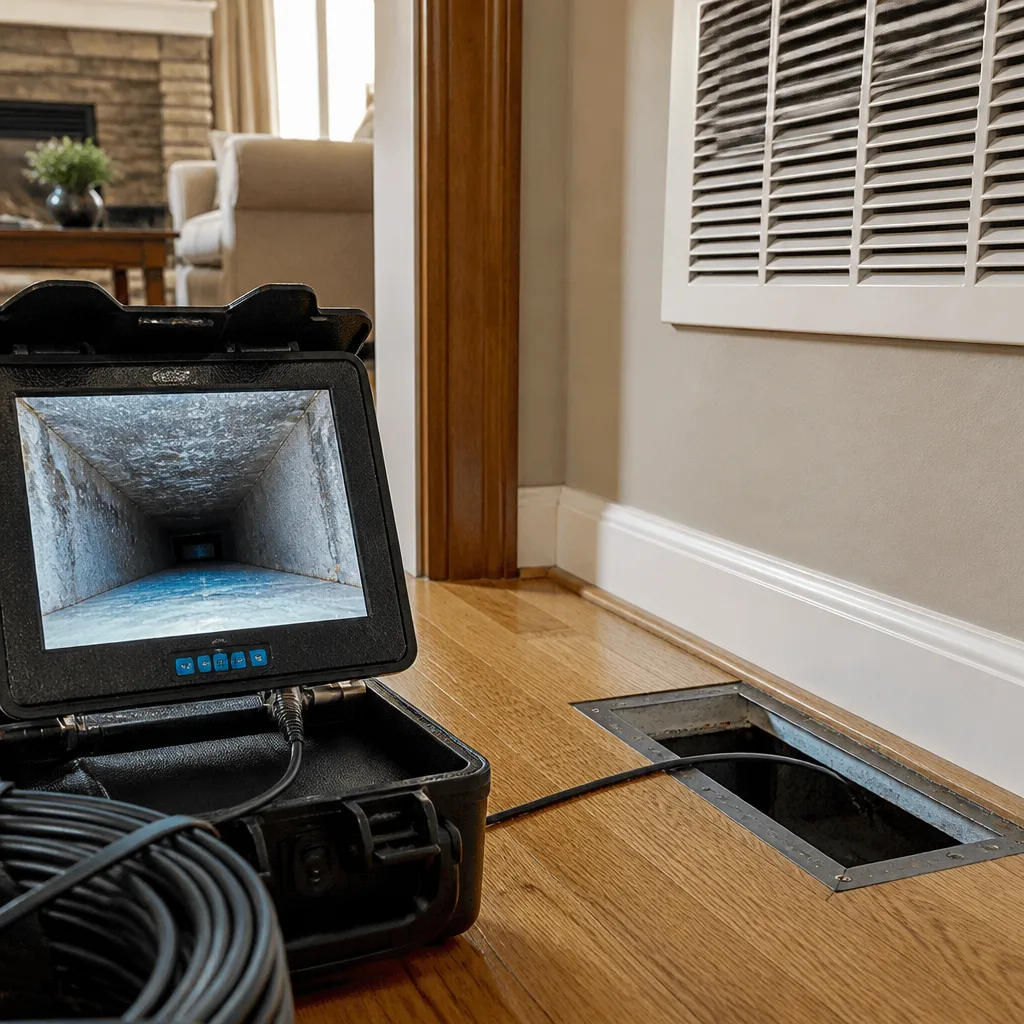 Camera inspection
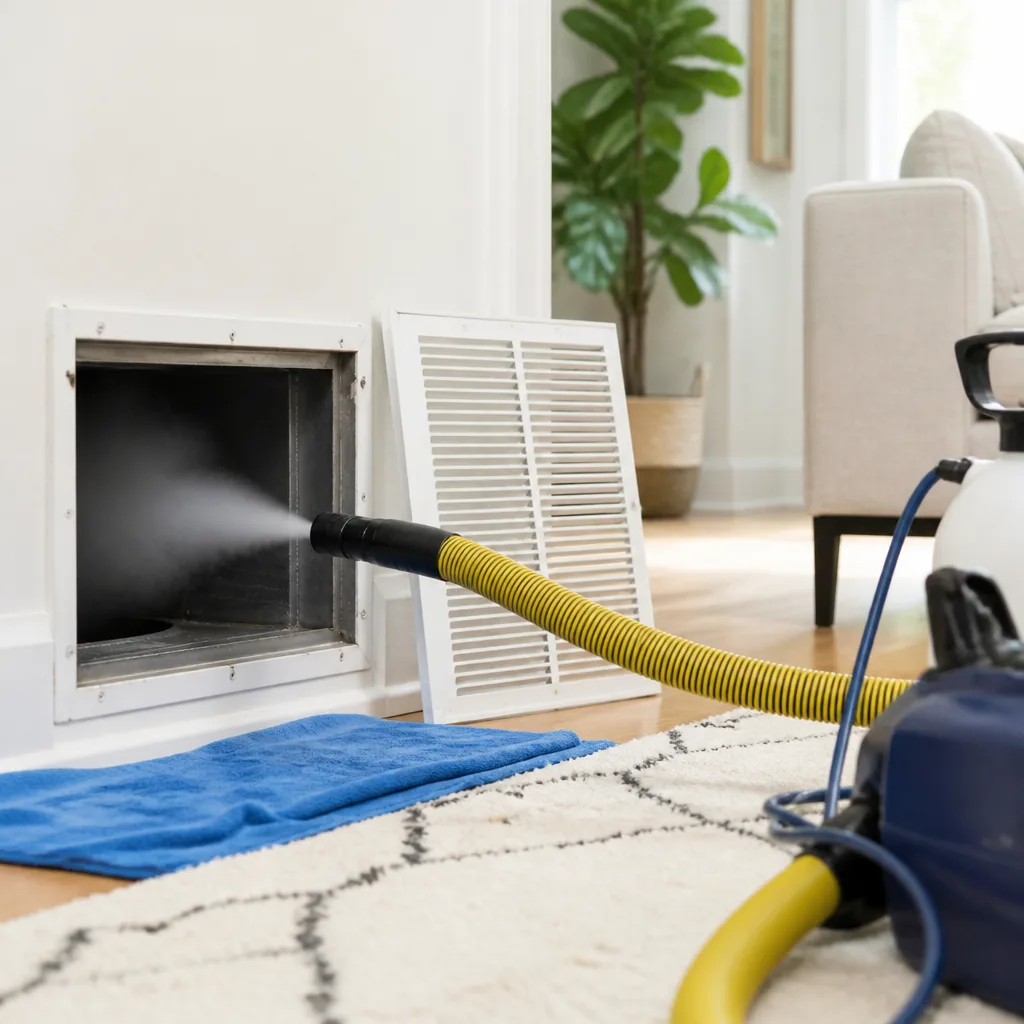 Sanitizing & deodorizing
Whole-system duct and dryer vent check with before-and-after photos - you see exactly what came out of your vents
That "$99 whole-house special" is a bait ad - the real number appears once they are in your hallway, or the "clean" is a shop-vac at the register. We photograph the inside of your ducts before and after instead.
DIY vs Professional Air Duct Cleaning: The Concourse Homeowner’s Decision Guide
When you drag a brush through a supply run and your shop vac can’t pull the loosened dust away fast enough, that debris doesn’t vanish. It rides the airstream straight into your living room. That isn’t a scare tactic. It’s fluid dynamics, and it’s the reason the DIY-versus-professional question here is less about elbow grease than about pressure. This guide lays out exactly what a homeowner in Concourse can accomplish with hand tools, what genuinely requires contractor-grade equipment, and where the line between the two sits. You’ll learn the specs that matter, the scenarios where DIY backfires, and how to time professional cleanings so they’re less frequent.
Quick Answer
DIY air duct cleaning works for surface-level upkeep: vacuuming registers, wiping accessible boots, and staying on top of filters. It does not perform true source removal inside the duct runs, because household vacuums and shop vacs can’t generate enough negative pressure and airflow to capture dislodged debris before it re-enters your air. Professional cleaning with HEPA-filtered, high-CFM equipment is the only way to remove contamination at the source without making indoor air temporarily worse. If your system has mold, rodent activity, recent renovation dust, or years of neglect, it’s a professional job.
Styles & brands we work with
- Whole-home duct cleaning
- Dryer vent cleaning
- Camera inspection
- Sanitizing & deodorizing
Table of Contents
- Why Duct Cleaning Is a Physics Problem, Not an Effort Problem
- The Specs That Separate Real Equipment from Consumer Vacuums
- What Legitimate DIY Maintenance Actually Looks Like
- When DIY Is Genuinely Appropriate in Concourse
- When DIY Creates a Liability
- The Cost Math: Renting vs Hiring
- What to Do Between Professional Cleanings
- What an Inspection Should Reveal Before Anyone Cleans
Why Duct Cleaning Is a Physics Problem, Not an Effort Problem
Duct cleaning has three phases: dislodge, capture, and remove. The dislodging is the easy part. A brush on a drill or a flexible rod breaks loose the dust matted to the duct wall. The hard part is what happens in the half-second after. Debris that’s been sitting on a galvanized surface is often held by a thin film of moisture and oil; once disturbed, it becomes airborne and moves with whatever airflow dominates the run. If your vacuum can’t overpower that airflow, the particles drift into the room rather than up the hose.
The number that governs this is negative pressure, measured in inches of water column, paired with CFM, or cubic feet per minute. Professional source-removal setups pull hundreds to well over a thousand CFM through a sealed connection to the main trunk, while the technician works each branch with a compressed-air whip or rotary brush. The negative pressure keeps the whole system under suction so nothing escapes at the registers. Consumer vacuums and shop vacs operate at a small fraction of that airflow and can’t sustain pressure across a sealed system.
Here in Concourse, the housing stock makes this more relevant, not less. Many of the apartment buildings and mid-century homes around Yankee Stadium have ductwork that’s been modified multiple times over the decades, which creates irregular runs, tight elbows, and dead-end branches. Those shapes trap debris. When a homeowner stirs it loose without enough suction behind it, the trapped material simply relocates. That’s the physics. It’s also why the honest answer to “can I just do it myself” depends on what you’re trying to accomplish.
If your goal is source removal, the work belongs with equipment built for it. Our team uses professional-grade systems from Air Duct Cleaning Concourse, including HEPA-filtered machines that hold the debris until it’s out of the building. That’s the difference between disturbing contamination and removing it.
The Specs That Separate Real Equipment from Consumer Vacuums
True source removal requires equipment that can generate sustained high airflow and negative pressure while filtering the exhaust to HEPA standard. That combination is what professional duct cleaning machines are designed around, and it’s what consumer vacuums and rental shop vacs simply aren’t engineered to do. Knowing the specs helps you evaluate any quote you receive.
- Airflow (CFM): Professional truck-mounted and portable HEPA units move hundreds to over a thousand cubic feet per minute. Consumer vacuums typically move a small fraction of that.
- Negative pressure: The system must hold the entire duct network under suction while the technician works each branch. Sealing to the main trunk is part of the job.
- Filtration: HEPA filtration on the exhaust captures particles at 0.3 microns at high efficiency, so what goes in doesn’t come back out into your rooms.
- Agitation tools: Compressed-air whips, rotary brushes, and cable-driven tools reach surfaces a handheld brush cannot, especially in deep elbows and trunk lines.
- Containment: Professional setups seal registers and openings so the work area stays clean while the system is under suction.
The brands matter because they tell you what class of equipment is on the job. Rotobrush and Nikro build systems used by commercial and remediation contractors, and that’s the tier we work with. Abatement Technologies equipment adds remediation-level filtration capability, which is the difference between a light residential pass and a job that can handle contamination a consumer tool would only spread. When you compare quotes in Concourse, ask what equipment the contractor brings and whether it’s HEPA-filtered. A crew that can’t name its equipment is telling you something.
Our technicians have up to 15 years of experience, and the short version of what that experience teaches is this: the equipment is not a marketing detail. It determines whether the job cleans the ducts or just rearranges them.
What Legitimate DIY Maintenance Actually Looks Like
There is real DIY work in duct maintenance, and it’s worth doing. It just doesn’t involve cleaning the inside of your duct runs. The tasks that are genuinely appropriate for a homeowner fall into filter management, register and boot cleaning, and observation. Done consistently, they slow re-contamination and make professional cleanings last longer.
- Change or clean your filter on schedule. A clogged filter reduces airflow, and reduced airflow lets dust settle in the ducts instead of being carried to the return. Check it monthly during heating and cooling season.
- Vacuum register covers and grilles. Pull the cover, vacuum both sides with a brush attachment, and wipe the frame. This is surface dust and safe to handle.
- Wipe the visible boot. The boot is the short transition between the floor register and the duct. You can reach into it with a damp cloth and remove what’s on the surface without disturbing the run.
- Keep returns clear. Furniture, rugs, and storage boxes blocking return grilles reduce system airflow and increase dust settling.
- Note what you see. Discoloration, musty smells, or pest evidence are observations worth recording. They’re the input for a professional inspection.
What you should not do is feed a shop vac hose down a supply run, use a drill-mounted brush inside the ductwork, or spray anything into the system. Each of those actions loosens debris the vacuum can’t capture. In a Concourse building with older galvanized ductwork, that debris often includes decades of settled particulate that’s best left for a system designed to hold it.
When DIY Is Genuinely Appropriate in Concourse
DIY air duct maintenance is appropriate when the system is basically clean and you’re doing routine upkeep between professional visits. It’s also appropriate for surface cleaning when you’ve recently moved into a home and want to refresh registers and boots without committing to a full cleaning yet. The test is simple: if you’re only touching what you can see and reach, DIY is fine.
Specific scenarios where DIY is enough:
- You change filters regularly and want to keep grilles and boots clean.
- You’re a renter and can handle register maintenance but not ductwork.
- A single room smells musty after rain and the boot wipe resolves it.
- You want to reduce dust on visible surfaces and the ducts themselves aren’t in question.
- You’re between professional cleanings and want to slow re-contamination.
If you’re in a Concourse apartment building or a home near the Grand Concourse corridor, the older duct layouts push you toward the professional side faster than a newer build would. Short runs and shared returns mean debris has less distance to travel before it’s back in the air. Routine filter work still helps. It just can’t substitute for source removal when the system needs it.
For homeowners who want the full picture of what a professional visit includes, our air duct cleaning page walks through the process step by step. It’s worth a read before you decide whether to schedule one.
When DIY Creates a Liability
Some conditions turn a DIY job from a wasted Saturday into a real problem. In these cases, disturbing the ductwork without professional containment and filtration can spread contamination, trigger reactions in sensitive occupants, or damage the system further. If you’re a property manager or a landlord in Concourse, the liability question is even sharper: tenant air quality is your responsibility, and DIY cleaning that makes it worse is a defensible complaint.
The scenarios that call for a professional:
- Visible mold or persistent musty odor. Mold inside a duct means moisture is present, and cleaning requires both removal and addressing the source. DIY agitation spreads spores.
- Rodent or pest activity. Droppings, nesting material, and urine residue need HEPA containment and proper disposal. This is a health concern, not a cleaning task.
- Post-renovation dust. Drywall dust and construction particulate are fine enough to bypass typical filters and settle deep in runs. A proper cleaning after major work is standard practice.
- Years of neglect. Long-uncleaned systems hold heavy debris loads. Consumer equipment will distribute rather than remove it.
- Recent water damage. Moisture in ductwork is a contamination issue, and it needs inspection before anything else.
Our team handles the full scope of what these situations reveal, including HVAC cleaning when the air handler and coil are part of the problem. When we find failed seals or disconnected runs, we repair and reseal them rather than clean around the problem. That’s the part most inspect-and-leave crews skip, and in Concourse’s older building stock it comes up often.
The Cost Math: Renting vs Hiring
Renting professional-grade equipment rarely closes the gap with a contractor. A homeowner can rent a high-CFM vacuum and some agitation tools, but the rental unit usually lacks the sealing kit, the HEPA filtration stage, and the technician who knows how to work each branch without stirring up the system. By the time you account for rental cost, a weekend of your time, and the risk of doing it wrong on an older Concourse system, the math usually favors hiring.
Use this comparison to think it through:
- Rental cost only covers the machine. Add agitation tools, sealing materials, and filter media and the spread narrows fast.
- Equipment class matters more than a one-day rental. A rental unit is often a step above a shop vac but still below the HEPA-filtered, high-CFM systems professionals use.
- Skill is part of the price. Working a trunk and eight branches without cross-contaminating them is a technique, not a switch you flip.
- Repairs and resealing are separate from cleaning. If the job reveals a disconnected run or a failed joint, you want someone who can fix it while they’re there.
Where DIY genuinely wins is on the small stuff: filters, registers, and boots. That’s the portion of the work where the effort matches the equipment. For the rest, our dryer vent cleaning service gets bundled into the same visit when a homeowner schedules duct work, because the vent is one of the most overlooked fire hazards in a home and the inspection is already happening.
Call (855) 947-0512 for a free estimate. We answer 24/7. Fast dispatch from 7am to 7pm, Sunday through Friday. The written estimate sets the final price, and it’s per job, not per vent.
What to Do Between Professional Cleanings
The work that keeps a professional cleaning effective longest is the maintenance layer, and it’s all DIY. It’s the difference between scheduling a cleaning every year and stretching it further. In Concourse, where dust from the surrounding streets and older building systems adds to the load, this maintenance matters more than homeowners expect.
- Stay on the filter schedule. Check monthly, replace on the manufacturer’s interval, and use a filter rated appropriately for your system rather than the cheapest one on the shelf.
- Vacuum registers and returns monthly. A quick pass with a brush attachment keeps surface dust from being drawn into the run.
- Seal gaps around registers. Small gaps between the register frame and the floor or wall let unfiltered air into the room. A bead of caulk or new foam gasket closes them.
- Keep humidity in check. Moisture is what turns settled dust into a mold problem. Dehumidify basements and fix leaks promptly.
- Watch for pressure changes. Rooms that suddenly feel stuffy or registers with weak airflow often indicate a blockage or a disconnected duct that needs professional attention.
- Note and log. Record anything that looks off so the next inspection starts with real observations.
Honeywell and Aprilaire air-quality products support this layer, and we install and integrate both. A whole-home filtration or humidity control add-on isn’t a substitute for cleaning, but it does slow the rate at which contaminants return.
What an Inspection Should Reveal Before Anyone Cleans
A proper inspection happens before cleaning, and it determines what the cleaning actually needs to accomplish. In Concourse, the inspection should look at the air handler, the trunk line, the branch runs, and the boots, and it should include the dryer vent if it’s accessible. The goal is to identify problems that would otherwise get missed, including disconnected runs, failed joints, and evidence of moisture or pest activity.
Here’s what a thorough inspection covers:
- Air handler and coil condition. A dirty blower or coil is part of the air-quality picture and needs cleaning alongside the ducts.
- Trunk and branch access. Every run should be reachable for cleaning, and the inspection confirms access points before the work begins.
- Seal integrity. Disconnected or unsealed joints leak air into wall cavities and attics, wasting energy and pulling unfiltered air into the system.
- Contamination indicators. Moisture, mold, and pest evidence dictate the cleaning approach and filtration requirements.
- Dryer vent condition. A clogged vent is a fire risk and should be checked whenever duct work is being done.
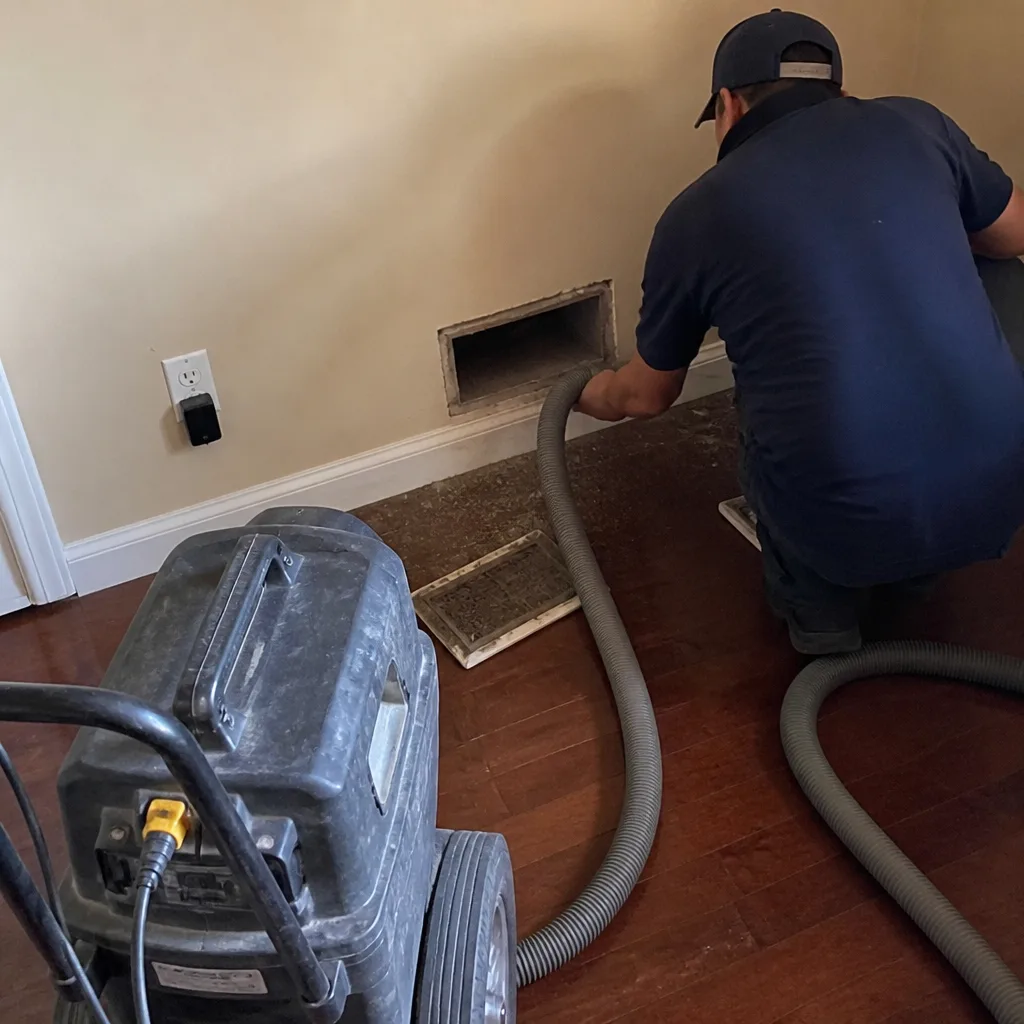
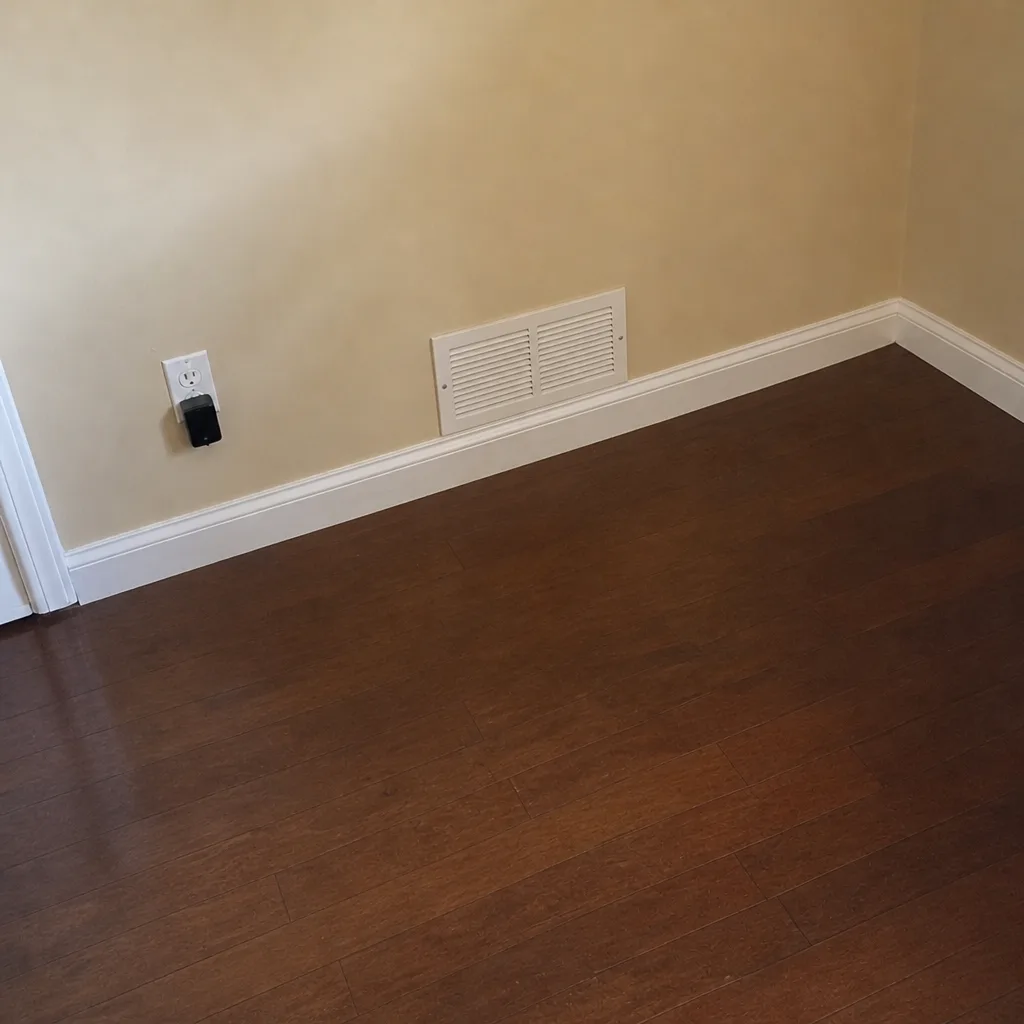
When the inspection turns up repair needs, the fix happens in the same visit rather than as a separate appointment with a different contractor. That’s the practice that avoids the “inspect-and-leave” pattern homeowners complain about. You see before-and-after photos of your own ducts, and the price is agreed in writing before work starts.
Common Mistakes to Avoid
- Using a shop vac inside the duct run. The suction isn’t enough to hold dislodged debris, so you end up redistributing it into the room. Stick to registers and boots with a shop vac.
- Hiring on price alone. In Concourse, a low advertised figure often turns into a much larger invoice once the technician is on site. Ask for a flat price per system, not per vent.
- Skipping the air handler. Cleaning the ducts without addressing the blower and coil leaves a contamination source in place. It’s part of the system.
- Ignoring the dryer vent. A clogged dryer vent is a fire hazard, and it’s often the most neglected line in the house. It should be a named service, not a throw-in.
- Applying disinfectant without cleaning first. Sanitizing a dirty duct seals contamination rather than removing it. Cleaning comes first; sanitizing finishes the job.
- Skipping the inspection. A crew that starts cleaning without checking seal integrity won’t find the disconnected run in the wall cavity. The inspection is the point.
- Forgetting to reseal access points. Cutting access into ductwork without sealing it back up introduces leaks. Confirm the crew will reseal before they leave.
See the difference
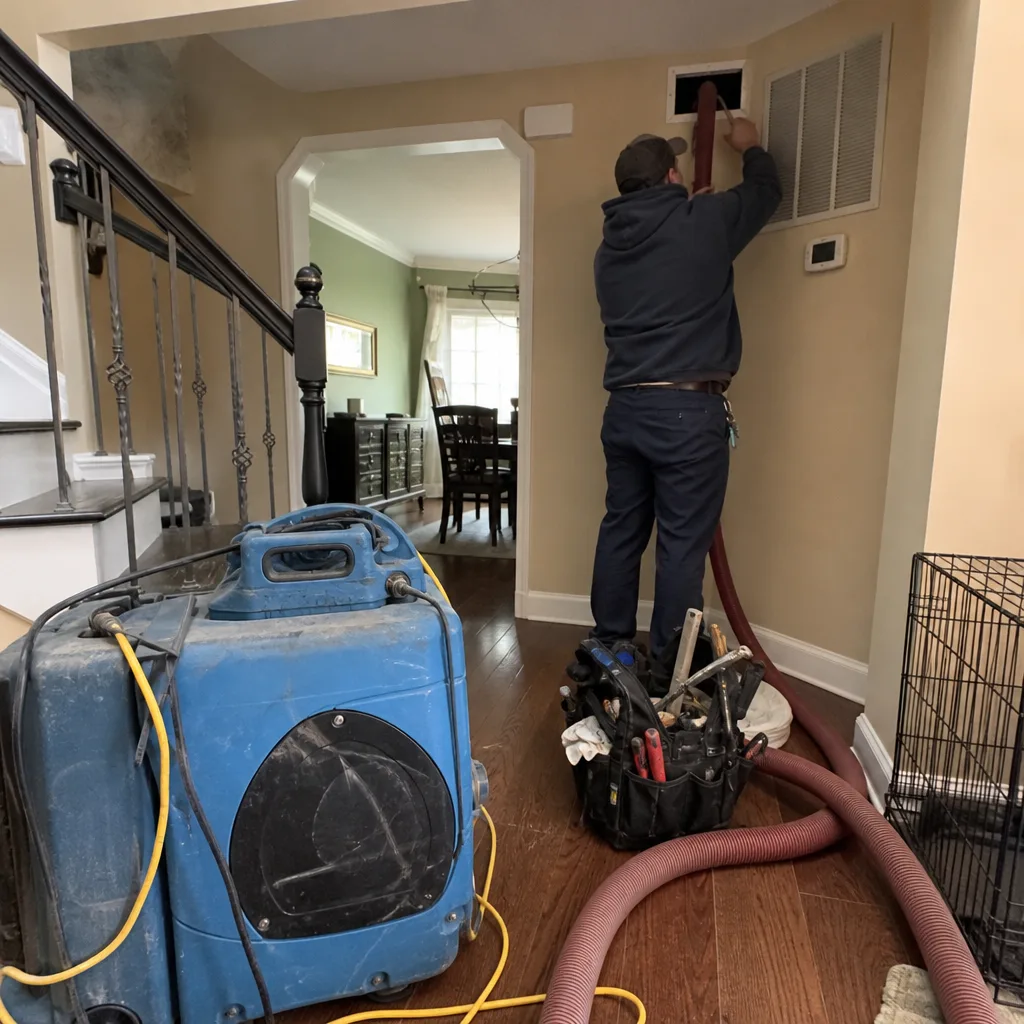 Before
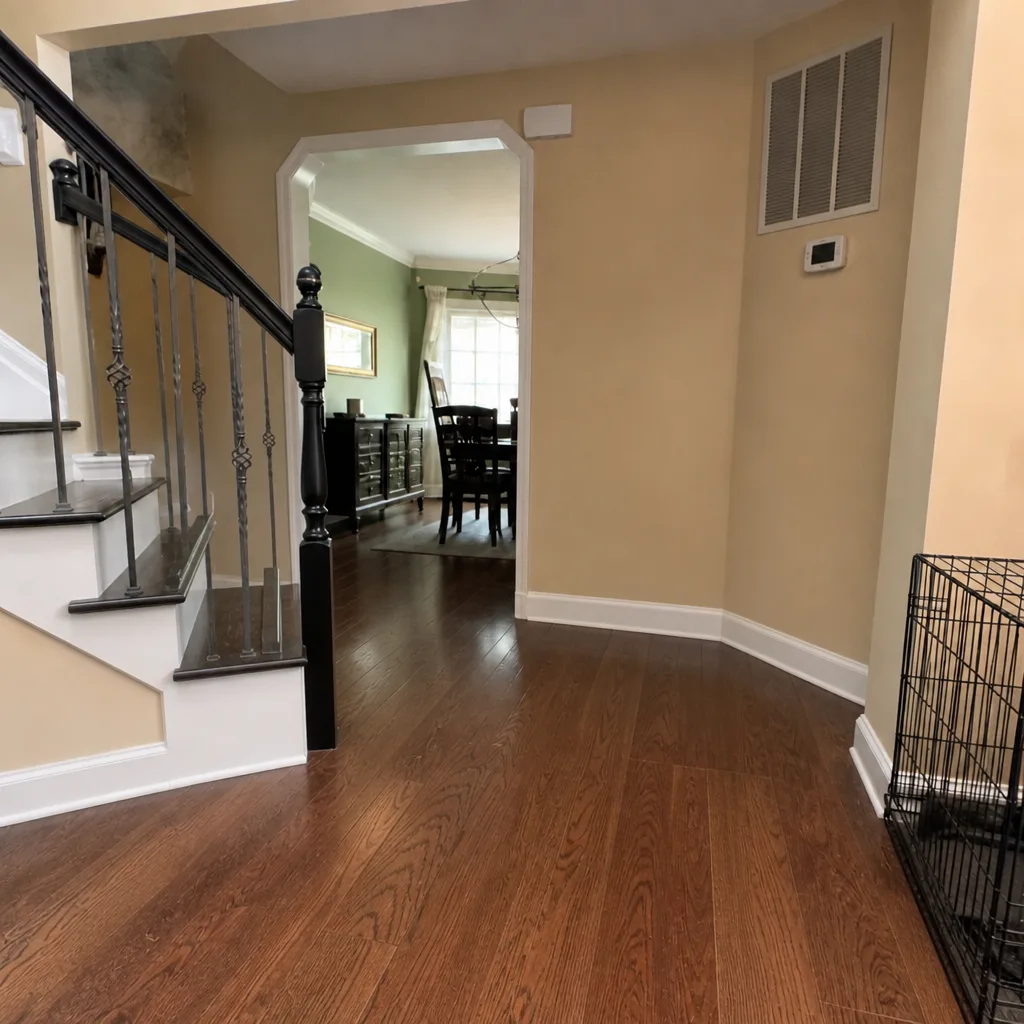 After
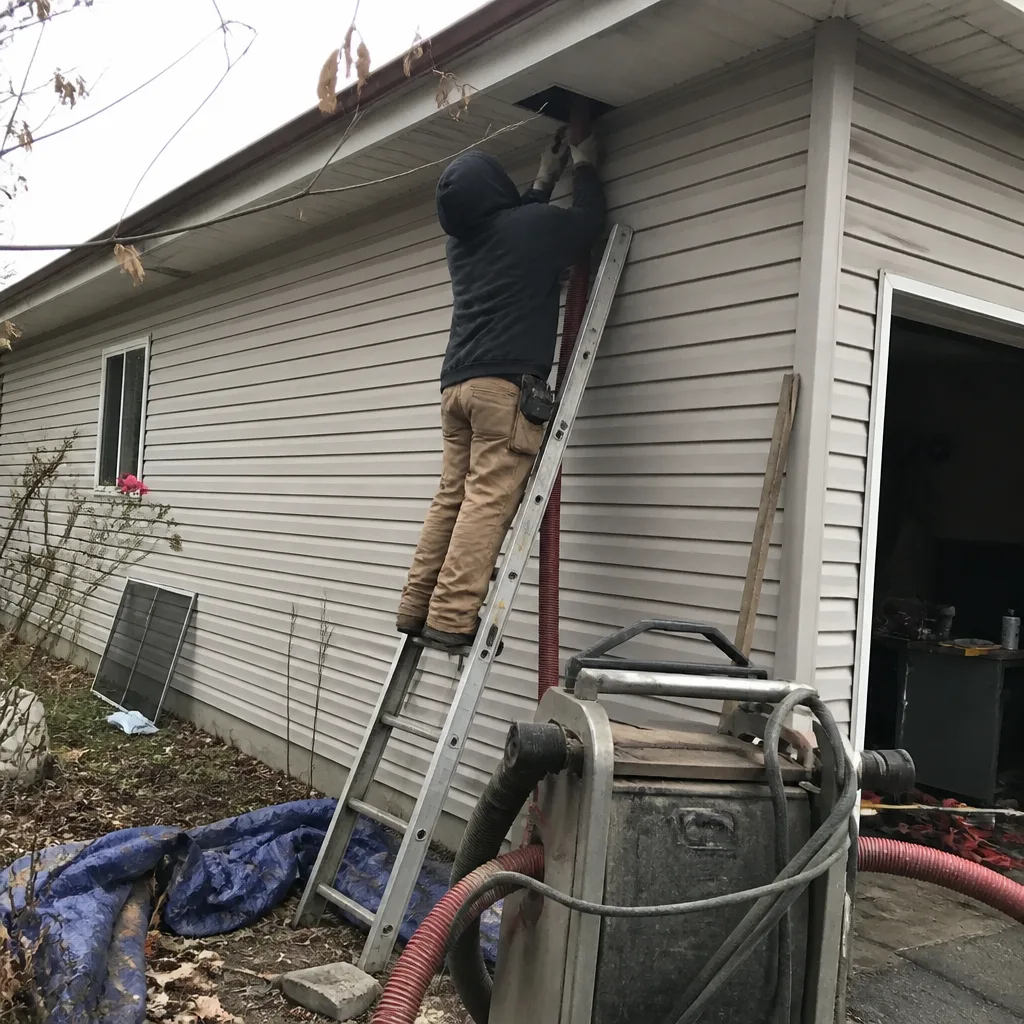 Before
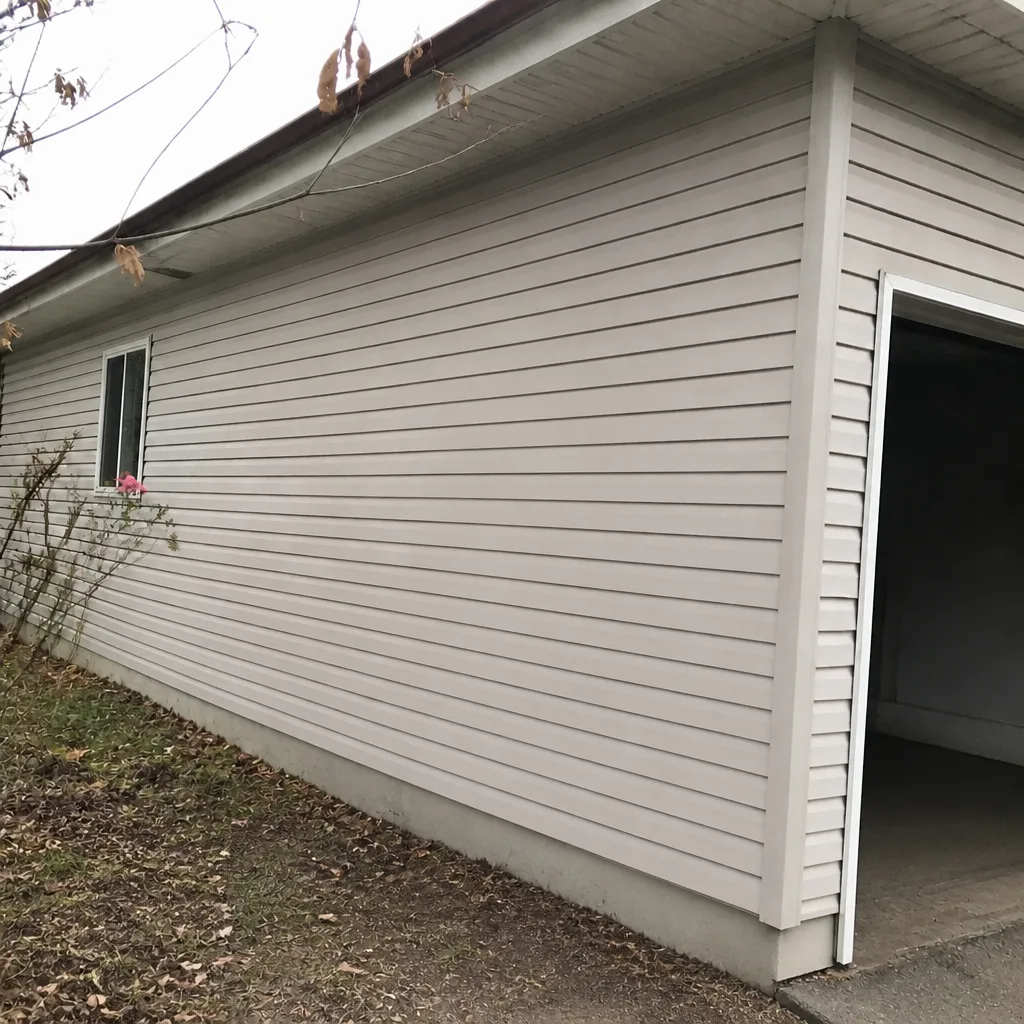 After
 Before
 After
When to Call a Professional
Call a professional if you see mold, smell a persistent musty odor, find rodent or pest evidence, have recently completed a major renovation, or have never had the system cleaned and the home is older. Call if a room’s airflow has dropped noticeably. Call if you’re a landlord and tenant air quality is in question. Call if the dryer is taking longer to dry clothes, since that’s often a clogged vent. Air Duct Cleaning Concourse offers free estimates in Concourse. Call (855) 947-0512 and we’ll inspect, explain what we find, and quote a flat price per system before work starts. We answer 24/7. Fast dispatch from 7am to 7pm, Sunday through Friday.
Frequently Asked Questions
No, a shop vac can’t perform true source removal because it doesn’t generate enough negative pressure and HEPA-filtered airflow to capture dislodged debris before it re-enters your air. You can use a shop vac on register covers and the visible boot, and that’s the appropriate scope. Anything inside the run needs professional-grade equipment. Call (855) 947-0512 for a free estimate if you want to know what your system needs.
We quote a flat price per system, agreed in writing before work starts, because per-vent pricing is where the bait-and-switch complaints come from. The exact figure depends on system size, number of runs, and what the inspection reveals. Call (855) 947-0512 for a free estimate, and you’ll have a number in hand before anyone touches the system.
Cheap quotes usually skip something important: no HEPA filtration, no inspection, no resealing, no access to the trunk line, or a per-vent price that grows once the technician arrives. The equipment class matters, too. A crew using consumer-grade machines can’t hold debris the way a HEPA-filtered professional system does. Ask what equipment is on the job before you compare numbers. Call (855) 947-0512 for an estimate you can compare fairly.
We show before-and-after photos of your own ducts, taken during the job. That’s the simplest verification, and it’s the standard we hold ourselves to. If a crew won’t show you what changed, that’s a signal. Call (855) 947-0512 to schedule an inspection.
Most homes don’t need it on a strict annual schedule; the interval depends on the system, the occupants, and what the inspection finds. Homes with pets, allergy sufferers, recent renovations, or older ductwork in Concourse tend to need it more often. Filter maintenance between visits stretches the interval. Call (855) 947-0512 for an assessment.
It can, when the dislodged debris isn’t captured. That’s the physics problem at the center of this guide: disturbance without sufficient suction redistributes contamination into the living space. Surface cleaning of registers and boots is safe and worth doing. Cleaning inside the run without professional equipment is where the risk lives. Call (855) 947-0512 to find out what your system actually needs.
The Bottom Line
DIY maintenance is real work, and it’s worth doing: filters, registers, boots, humidity, and observation. Those tasks slow re-contamination and make each professional cleaning last longer. What DIY can’t do is remove contamination from inside the duct runs, because the equipment on your shelf isn’t built to hold what a brush loosens. If your Concourse home has mold, pest activity, recent renovation dust, or a long-neglected system, the safe call is professional. Our technicians have up to 15 years of experience, and we repair and reseal what the inspection finds. Call (855) 947-0512 for a free estimate. We answer 24/7. Fast dispatch from 7am to 7pm, Sunday through Friday. The written estimate sets the final price.
Written by the team at Air Duct Cleaning Concourse.