
Last updated November 22, 2026
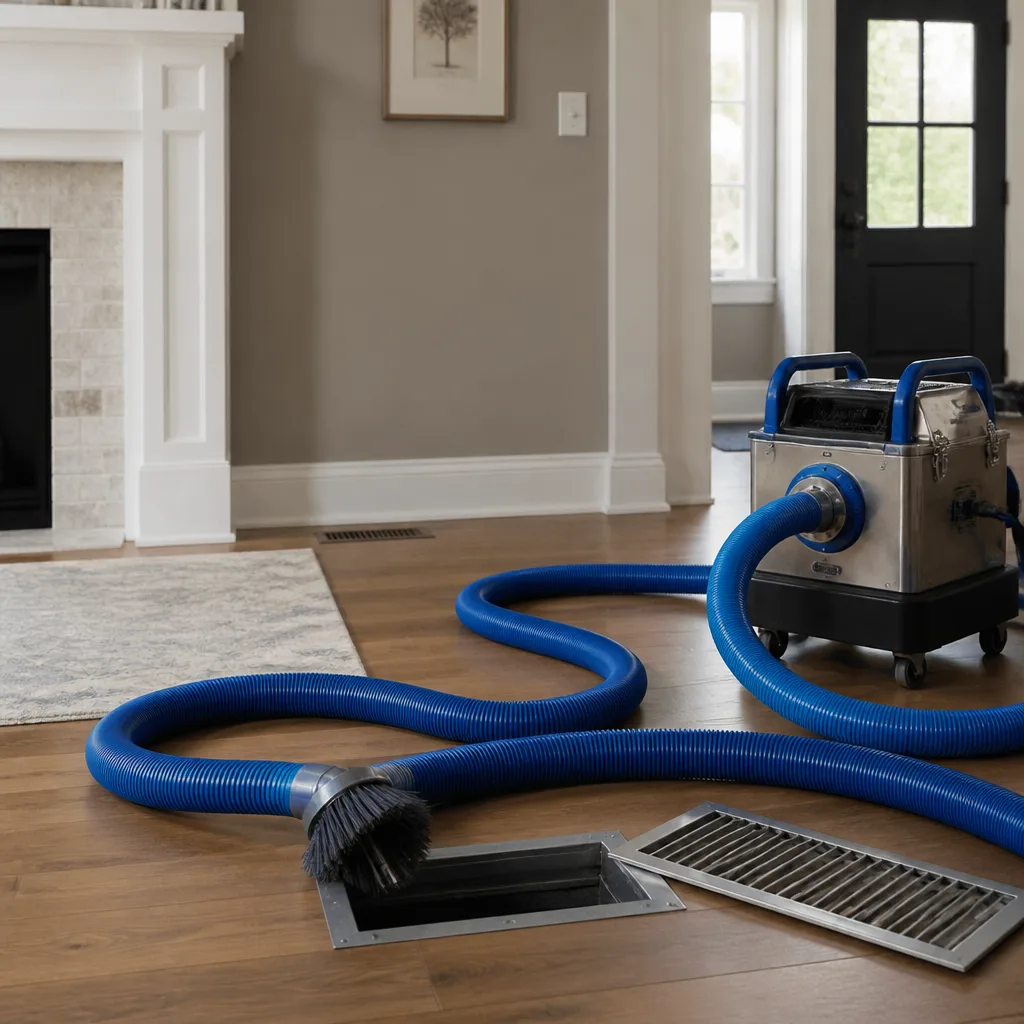 Whole-home duct cleaning
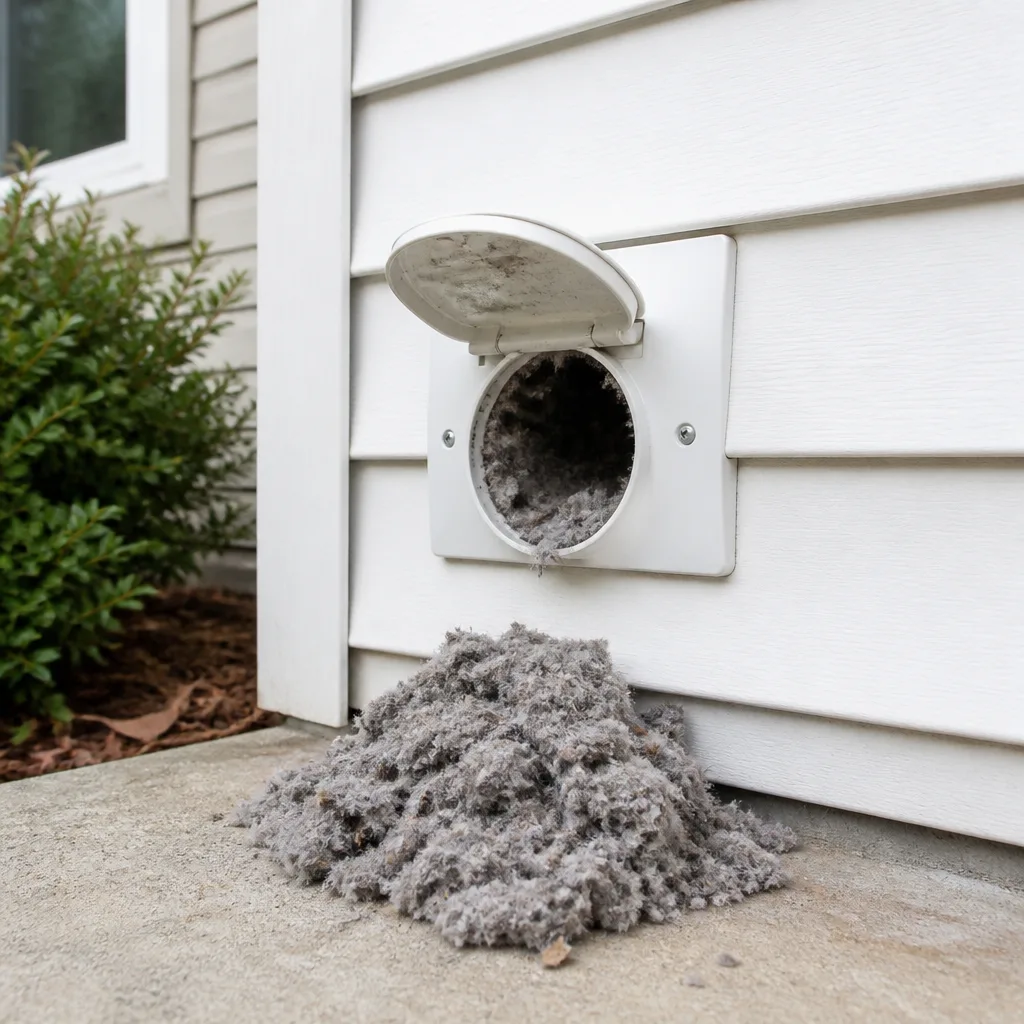 Dryer vent cleaning
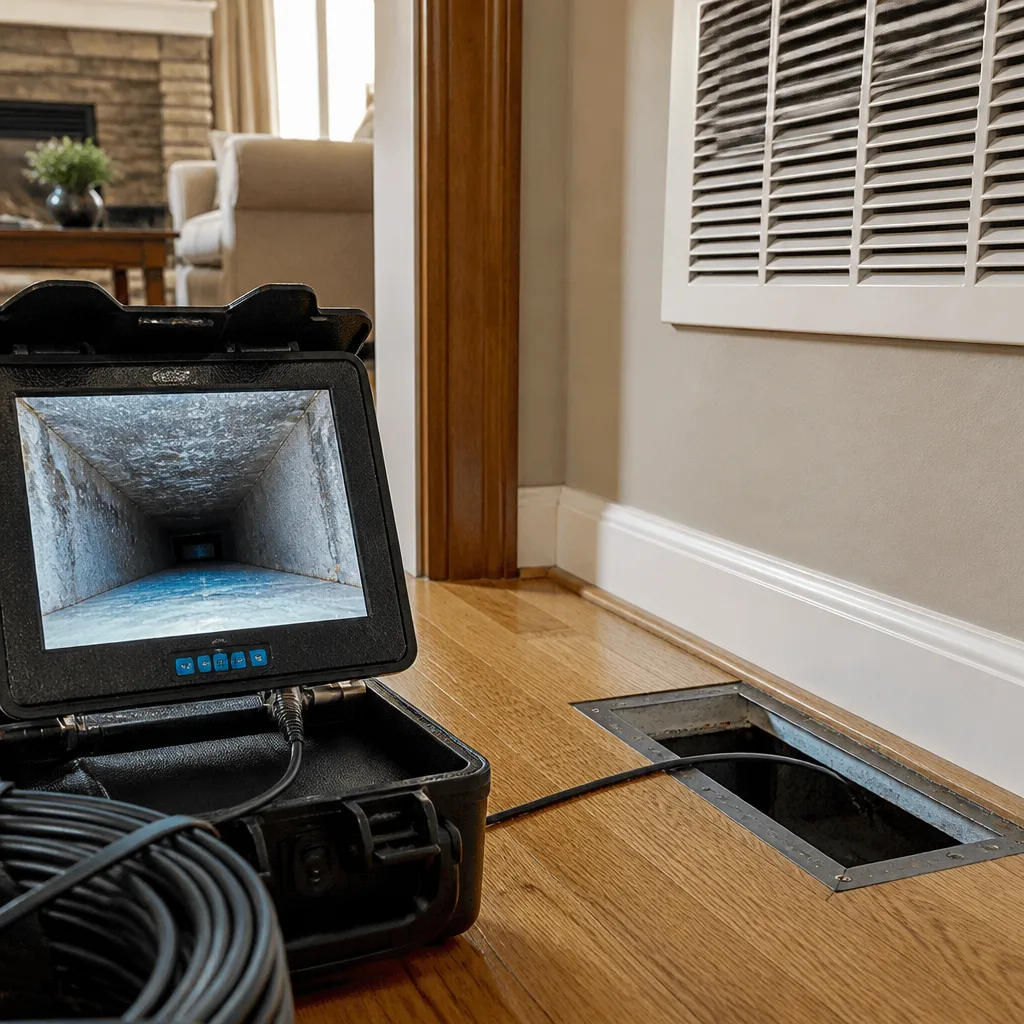 Camera inspection
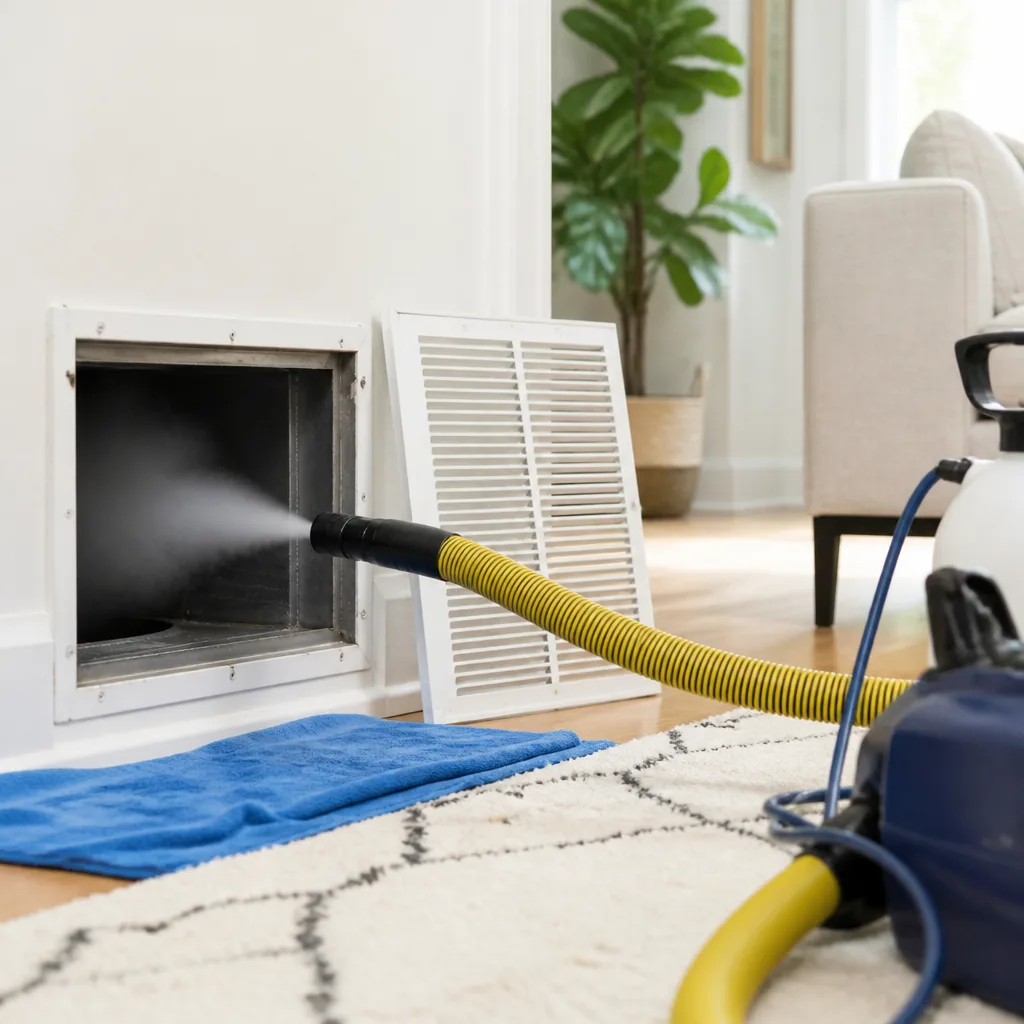 Sanitizing & deodorizing
Whole-system duct and dryer vent check with before-and-after photos - you see exactly what came out of your vents
That "$99 whole-house special" is a bait ad - the real number appears once they are in your hallway, or the "clean" is a shop-vac at the register. We photograph the inside of your ducts before and after instead.
Air Duct Cleaning Cost Breakdown: The Concourse Homeowner’s Reference for 2026
A $299 whole-house duct cleaning quote for a 1,800-square-foot Concourse home with 20 registers is mathematically impossible to deliver profitably using truck-mounted negative-pressure equipment. That’s the number that should stop you mid-scroll. It doesn’t mean the quote is a bargain, and it doesn’t mean the crew is dishonest. It means something in the scope has to give: either the equipment isn’t what the price claims, or the low number is a door-opener and the real invoice grows once the crew is inside. In this guide, we’re translating every line of a duct cleaning quote into what it actually buys, so you can compare estimates against real work instead of marketing language. By the end, you’ll know what a credible 2026 quote looks like in Concourse.
Quick Answer
Air duct cleaning in Concourse, NY typically runs $350-$550 for a single-system home under 1,500 square feet, $450-$750 for a typical three-bedroom single-system house, and $750-$1,200 for larger homes, multi-system setups, or heavy contamination. Add $100-$200 for dryer vent cleaning, $150-$350 for coil cleaning, and $100-$250 for antimicrobial sanitizing. Pricing is per job by written estimate, and a legitimate quote reflects scope, equipment, and labor time, not a per-vent figure that rewards speed over thoroughness.
Styles & brands we work with
- Whole-home duct cleaning
- Dryer vent cleaning
- Camera inspection
- Sanitizing & deodorizing
Table of Contents
- Why Duct Cleaning Prices in Concourse Vary So Widely
- Per-Register Pricing vs. Flat-Rate Pricing: Which Model Rewards Thoroughness
- What Actually Drives Legitimate Cost Variation in Concourse Homes
- Line-by-Line Breakdown: Add-Ons and What They Really Involve
- 2026 Concourse Market Rate Ranges by Scope
- What a Credible Quote for a Three-Bedroom Concourse Home Looks Like
- Upselling During the Job vs. Legitimate Scope Expansion
- Why Equipment Choice Shows Up in the Price
Why Duct Cleaning Prices in Concourse Vary So Widely
Duct cleaning quotes in Concourse range from $150 to $1,200 for what sounds like the same job. The gap isn’t profit margin. It’s scope, equipment, and labor time – three variables that a cheap quote either compresses or quietly omits.
Start with equipment. A truck-mounted negative-pressure system generates suction strong enough to pull debris from the far end of a duct run while an agitating tool – a rotary brush or compressed-air whip – breaks material loose at the source. Professional setups like the Rotobrush and Nikro systems we work with are the same class of equipment used in commercial and remediation work, and they cost real money to buy, run, and maintain. A crew using a shop vacuum with a homemade attachment can quote $150 because the equipment investment is roughly a Saturday afternoon at a hardware store.
Next, labor time. A proper whole-system job in Concourse involves:
- Inspecting every register and trunk line before starting
- Setting up negative pressure and containment
- Running agitation through each branch run, not just the main trunk
- Cleaning the blower compartment and accessible plenum
- Before-and-after photographic documentation of each run
- Re-sealing access points and verifying airflow
That’s a half-day of work for two technicians on a typical single-system home. A crew that speeds through in 45 minutes is not doing the same job at a lower price; it’s doing a different and smaller job at a price designed to sound comparable. Scope is the third variable, and it’s the one that catches homeowners most often. A quote that excludes coil cleaning, blower cleaning, or duct sanitizing isn’t cheaper – it just stops earlier. When you’re comparing estimates in Concourse, ask what’s excluded before you ask what’s included.
Per-Register Pricing vs. Flat-Rate Pricing: Which Model Rewards Thoroughness
Per-register pricing sounds fair – you pay for what you have – but it creates a quiet incentive problem. When a contractor charges $25 or $35 per vent, their revenue depends on how fast they can move through each one, not on how much debris comes out. The faster they work, the more homes they can book, and the arithmetic pushes toward a light pass with an agitation tool rather than a full negative-pressure clean of every branch run.
Flat-rate pricing based on system size flips that incentive. The price is set for the job, agreed in writing before work starts, and the crew has no financial reason to rush a run. That’s the model we use and it’s what your written estimate should reflect: one flat price per system, agreed up front, with no per-vent figure sliding around afterward.
How many registers does a typical Concourse home have? A three-bedroom single-family house usually lands between 15 and 22 supply and return registers. Older two- and three-family buildings in the neighborhood often carry two separate HVAC systems – one per floor – which roughly doubles the register count and the labor. A per-vent quote that looks reasonable for a 10-register apartment gets expensive fast in a multi-floor building, and a per-vent quote that looks reasonable at first glance often grows once the technician counts returns the customer didn’t think to mention.
What to ask before accepting either model
- Is the price flat for the whole system, or does it change with register count?
- Are returns included, or supply-only?
- Does the quote include blower and coil access, or just the duct runs?
- Will I get before-and-after photos of my own ducts?
- Is the written estimate the final price unless I approve an addition?
If any answer is vague, that’s the quote telling you something about how the job will actually run. For a closer look at what a full-scope air duct cleaning job should include, the service page spells out the process.
What Actually Drives Legitimate Cost Variation in Concourse Homes
Two homes of the same square footage can produce quotes 40% apart, and the difference is usually legitimate. Four factors explain most of the variation in Concourse.
Square footage and duct run length
Longer runs mean more agitation time and more negative-pressure capacity needed to maintain suction at the far end. A 1,200-square-foot apartment with a short trunk and four branches cleans quickly. A 2,400-square-foot house with a sprawling layout and a finished basement may double or triple the labor.
Number of HVAC systems
Concourse has a large stock of two- and three-family buildings, and each separate system is its own cleaning job with its own air handler, plenum, and branch runs. A duplex with two systems is priced closer to two homes than to one. Confirm how many systems a quote covers before comparing numbers with a neighbor.
Duct material: sheet metal vs. flex vs. fiberboard
Sheet metal ducts handle aggressive rotary agitation well and clean predictably. Flex duct is more delicate – the inner liner can be damaged by the wrong tool, so the technician has to work with lower pressure or a softer head, which takes longer. Fiberboard duct requires the most care; it’s porous, it holds debris differently, and some runs may need repair or sealing after cleaning rather than just agitation. Older Bronx building stock leans heavily on flex and fiberboard, which is one reason Concourse jobs often land mid-range rather than low.
Access difficulty
Basements, crawl spaces, closets with a return running behind drywall, and rooftop or attic air handlers all change the labor. A system with accessible plenums and clear register faces takes less time than one that requires moving storage, cutting an access panel, or working in a tight mechanical closet. Access work is legitimate scope – it’s part of the estimate, not an add-on surprise.
One local factor worth naming: Concourse’s building stock includes a lot of older stock with original ducts that have never been cleaned, plus renovation dust from decades of unit turnover. Both raise the labor and the debris volume, and neither is visible from a price quote. The condition found on inspection is why a written estimate follows the walkthrough, not the other way around.
Line-by-Line Breakdown: Add-Ons and What They Really Involve
Add-ons are where duct cleaning quotes get muddy. Here’s what each line actually buys in a Concourse home.
Dryer vent cleaning: $100-$200
This is not an afterthought. Lint accumulates in the dryer exhaust and, per documented fire-risk evidence, dryer vents are a leading cause of household fires. A proper dryer vent cleaning involves disconnecting the dryer, running a rotary brush through the full exhaust run, checking the exterior termination and damper, and clearing any crushed or kinked flex behind the appliance. It’s genuinely worth the $100-$200, especially in older Concourse buildings where the run may be long, partially hidden, or vented through a roof. For a standalone service, dryer vent cleaning is booked on its own and doesn’t require a duct cleaning appointment.
Coil cleaning: $150-$350
The evaporator coil sits in the air handler and is where air passes over cold metal. When it’s coated with dust and biological film, airflow drops and the system works harder. Coil cleaning requires access to the coil (sometimes through a panel, sometimes with a cut access point), a cleaning solution, and a rinse. It’s harder to verify visually than duct cleaning, so ask for photos before and after.
Antimicrobial sanitizing: $100-$250
Sanitizing treats surfaces after mechanical cleaning, not instead of it. If the ducts aren’t cleaned first, sanitizing a dusty surface does very little. On a properly cleaned system, sanitizing can address odor and biological growth on duct walls, and products like the Guardsman line are used for surface and air treatment finishing. Worth it if you’re dealing with mustiness, previous water intrusion, or a moldy-smelling return. Not worth it as a substitute for cleaning.
Duct repair and sealing: $200-$600+
Inspection often turns up disconnected runs, crushed flex, torn fiberboard, or gaps at joints. Sealing those gaps recovers conditioned air that was previously leaking into walls and basements. This is where a full-scope contractor matters – if we find a broken duct during cleaning, we can repair it without a second appointment and a second contractor. A cheaper cleaner who only cleans will leave the problem behind.
2026 Concourse Market Rate Ranges by Scope
These are typical 2026 estimates for the Concourse market, and they’re ranges rather than fixed quotes. The written estimate you receive sets the final price.
| Job type | Typical range | What’s included |
|---|---|---|
| Single-system home under 1,500 sq ft | $350-$550 | Full supply and return cleaning, agitation, negative pressure, before-and-after photos |
| Three-bedroom single-system, 1,500-2,200 sq ft | $450-$750 | Full system cleaning plus blower compartment |
| Larger home or heavy contamination | $750-$1,200 | Full system, deeper agitation, possible sealing follow-up |
| Multi-system buildings (two or more air handlers) | Roughly double the single-system figure | Each system cleaned as its own job |
| Dryer vent cleaning (add-on) | $100-$200 | Full exhaust run, exterior check, damper inspection |
| Coil cleaning (add-on) | $150-$350 | Access, cleaning, rinse, photos |
| Antimicrobial sanitizing (add-on) | $100-$250 | Surface and air treatment after mechanical cleaning |
| Duct repair and sealing | $200-$600+ | Depends on what inspection finds |
HVAC cleaning of the full air-handling unit – beyond the ducts themselves – runs separately from duct cleaning and is priced by what the unit needs. The HVAC cleaning service page covers the scope in detail.
What a Credible Quote for a Three-Bedroom Concourse Home Looks Like
If you own a three-bedroom single-family home in Concourse with one system and 18 registers, a credible quote has a specific shape. Here’s what to look for, in order.
- A walkthrough before the number. The technician should physically look at the system, count registers and returns, and check duct material and access. A quote given sight-unseen over the phone is a placeholder, not an estimate.
- A flat per-system price, in writing. Something in the $450-$750 range for the size described. It names what’s included and lists what’s excluded.
- Explicit scope. Supply runs, return runs, blower compartment, and accessible plenum. If coil cleaning is quoted separately, it should be stated clearly with its own price.
- Equipment naming. Professional duct cleaners don’t hesitate to name what they use. We work with Rotobrush and Nikro systems and Abatement Technologies filtration because those brands reflect the standard of the equipment, not the marketing.
- Photo documentation promised. Before-and-after photos of your own duct runs. Not stock images from a brochure.
- No upsell list attached. Legitimate add-ons can be offered, but the base job stands on its own.
A quote that skips the walkthrough, refuses to name equipment, or pushes a discount price before seeing the system is signaling what kind of job it will be. The three-bedroom range above is what a credible Concourse quote should reflect.
Upselling During the Job vs. Legitimate Scope Expansion
There’s a real difference between a technician finding something on-site that was genuinely not visible at the walkthrough and a technician using the walkthrough as a loss leader. Here’s how to tell them apart.
Legitimate scope expansion
- A duct run connected behind finished drywall turns out to be crushed or disconnected on inspection
- Fiberboard duct surfaces have deteriorated and need sealing after cleaning
- Coil turns out to be heavily fouled and the cleaning solution needs a longer dwell time
- Mold growth discovered inside a trunk, requiring sanitizing that wasn’t anticipated
In each case, the technician can show you the problem – photograph it – and quote the additional work in writing before touching anything.
What upselling looks like
- A price that jumps the moment the technician is inside
- A pitch for products or treatments that the original quote excluded by design, not by oversight
- Antimicrobial treatment framed as mandatory
- Pressure to approve additional work without photos or a written addendum
The defense is the same both ways: get the flat per-system price agreed in writing before work starts, and require a written addendum with photos before any additional scope is approved. Any reputable contractor will hand you that without hesitation. If they won’t, that’s your answer. For anyone weighing whether the add-ons are worth it, our guide to what duct cleaning actually removes explains how to judge the base job on its own.
Why Equipment Choice Shows Up in the Price
The equipment line is the reason prices diverge most, and it’s the easiest to overlook because it looks the same in a photo. A professional duct cleaning setup has three components that matter: a negative-pressure source powerful enough to hold suction across a whole system, an agitation tool that reaches every branch run, and filtration that captures what the system pulls out so it doesn’t recirculate into the house.
A truck-mounted negative-pressure unit, a set of rotary agitation tools, and HEPA filtration together cost tens of thousands of dollars to buy and maintain. A shop vacuum and a brush don’t. Both crews can hand you a quote that says “duct cleaning.” Only one is doing the job the word implies.
Equipment choice also constrains what a crew can offer. Full-scope duct cleaning, dryer vent cleaning, HVAC cleaning, duct repair and sealing, and air quality and sanitizing all require different tools, and some crews only own enough gear for one of them. The advantage of a specialist who carries the full set is straightforward: what the inspection finds can be fixed without a second contractor and a second scheduling window. That’s not a sales pitch. It’s why some Concourse estimates include repair and sealing and some don’t.
Air quality integration is the other half. Brands like Honeywell and Aprilaire cover filtration and humidity products that work alongside duct cleaning to keep the system cleaner between cleanings. That’s a conversation worth having with the technician after the inspection, once you know what condition the ducts are actually in. Our Air Duct Cleaning Concourse service hub walks through the full picture.
Common Mistakes to Avoid
- Accepting a sub-$300 whole-house quote at face value. At 20 registers, that price doesn’t cover the labor and equipment a legitimate clean requires. Expect either compressed scope or an upsell once the crew is inside.
- Comparing per-vent quotes against flat-rate quotes as if they were the same product. They aren’t. One rewards speed; the other rewards thoroughness. Convert both to a per-system total before comparing.
- Skipping the dryer vent. In Concourse’s older buildings with long or partially hidden exhaust runs, a lint-clogged vent is a genuine fire hazard that no amount of duct cleaning touches on its own.
- Paying for sanitizing before the ducts are actually clean. Sanitizing a dusty system wastes the treatment. Mechanical cleaning comes first, then sanitizing if it’s warranted.
- Accepting a quote sight-unseen over the phone. A technician who hasn’t seen your system can’t know if you have flex, fiberboard, sheet metal, or two systems and a crushed return behind drywall.
- Not asking for before-and-after photos. You have no way to verify the work without them, and a crew that won’t provide them is telling you something.
- Assuming a low price and a high price mean the same scope. They rarely do. The gap is almost always in what’s excluded or what the equipment actually does.
See the difference
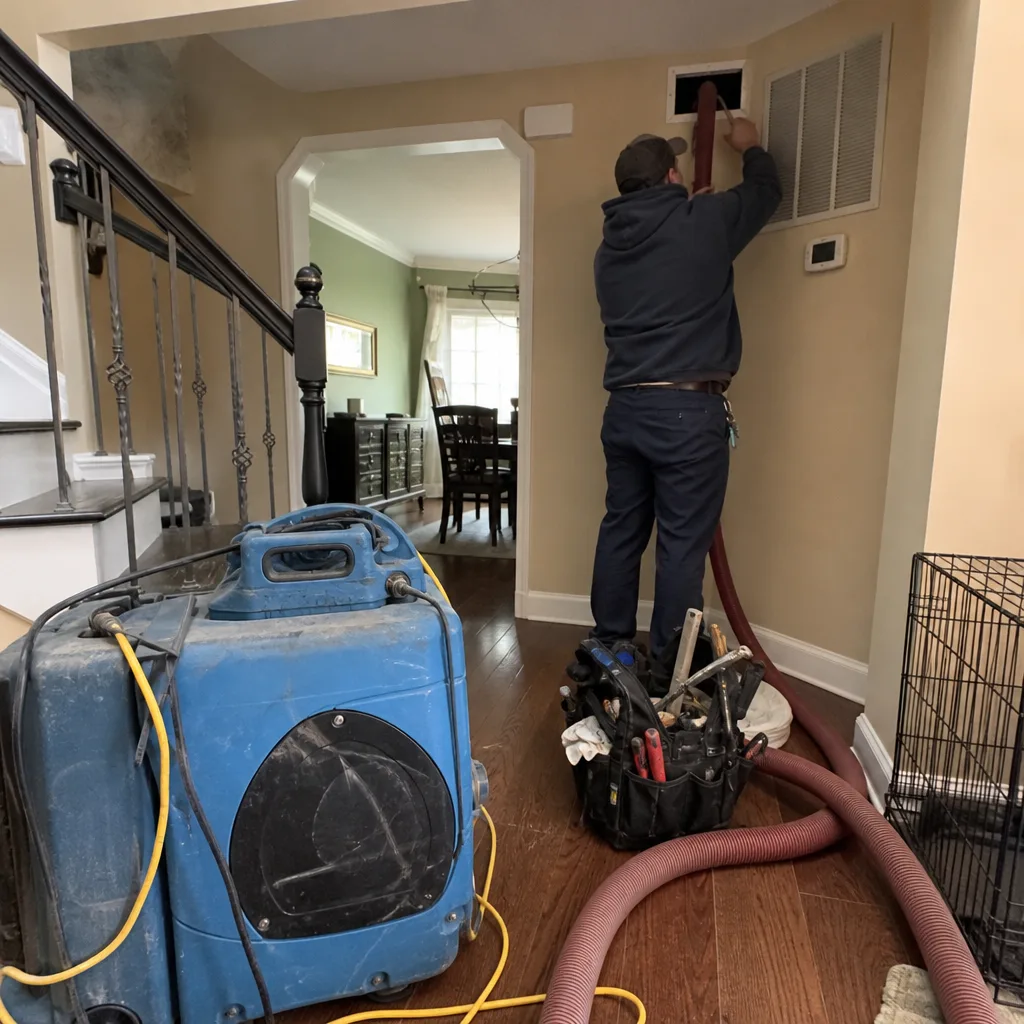 Before
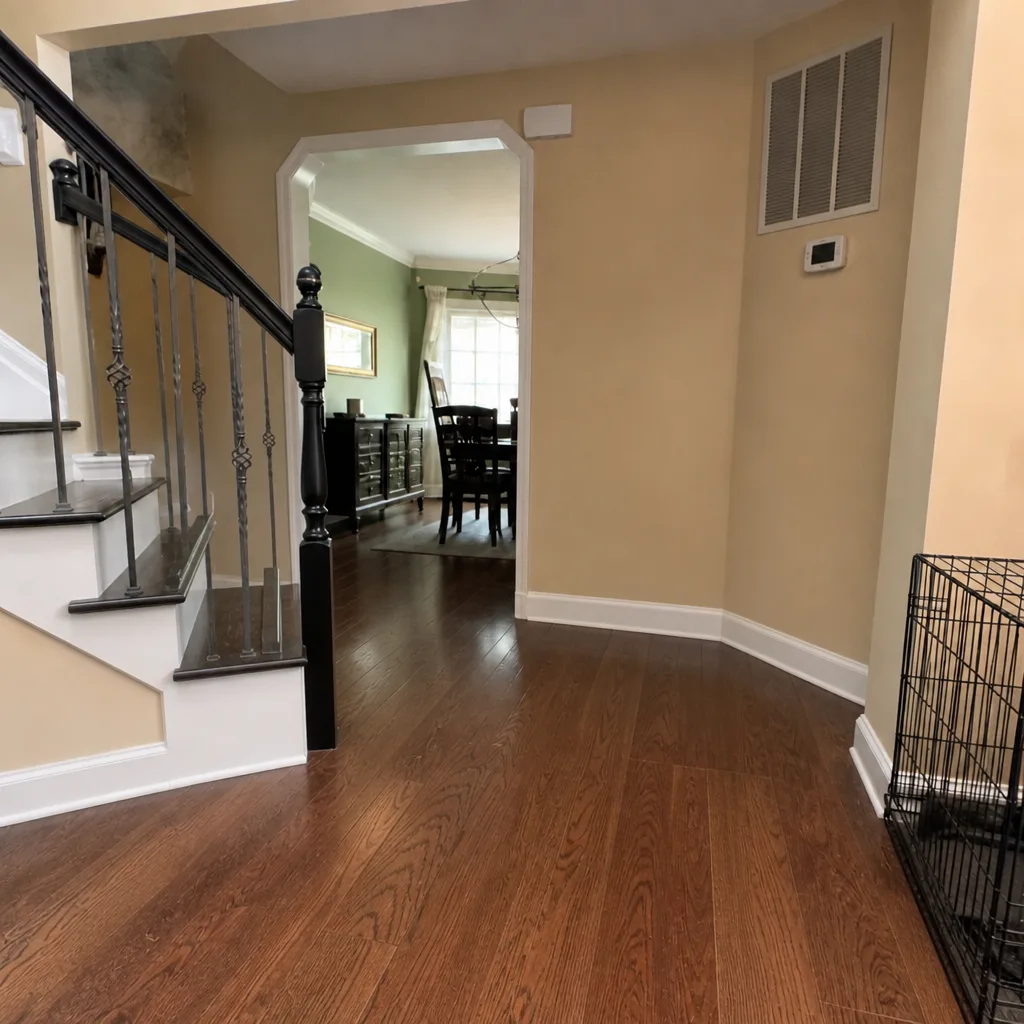 After
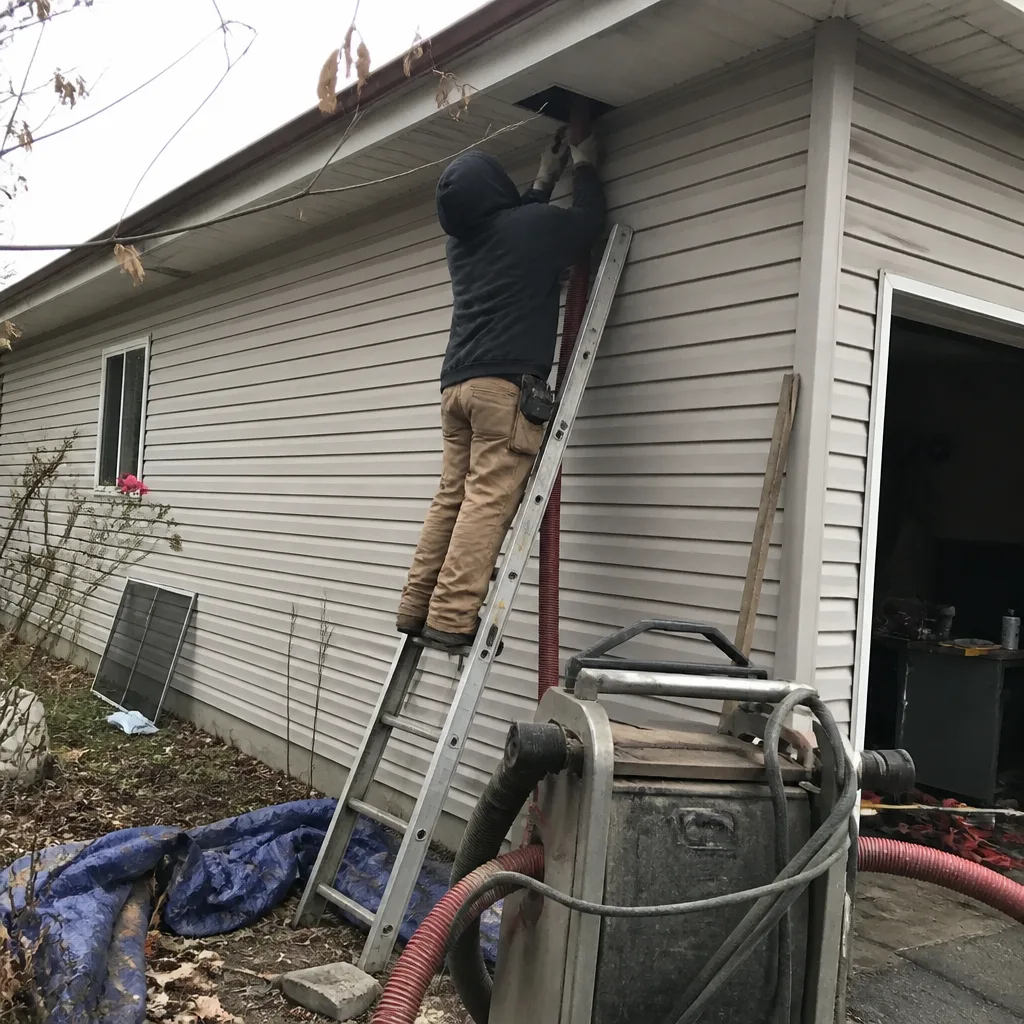 Before
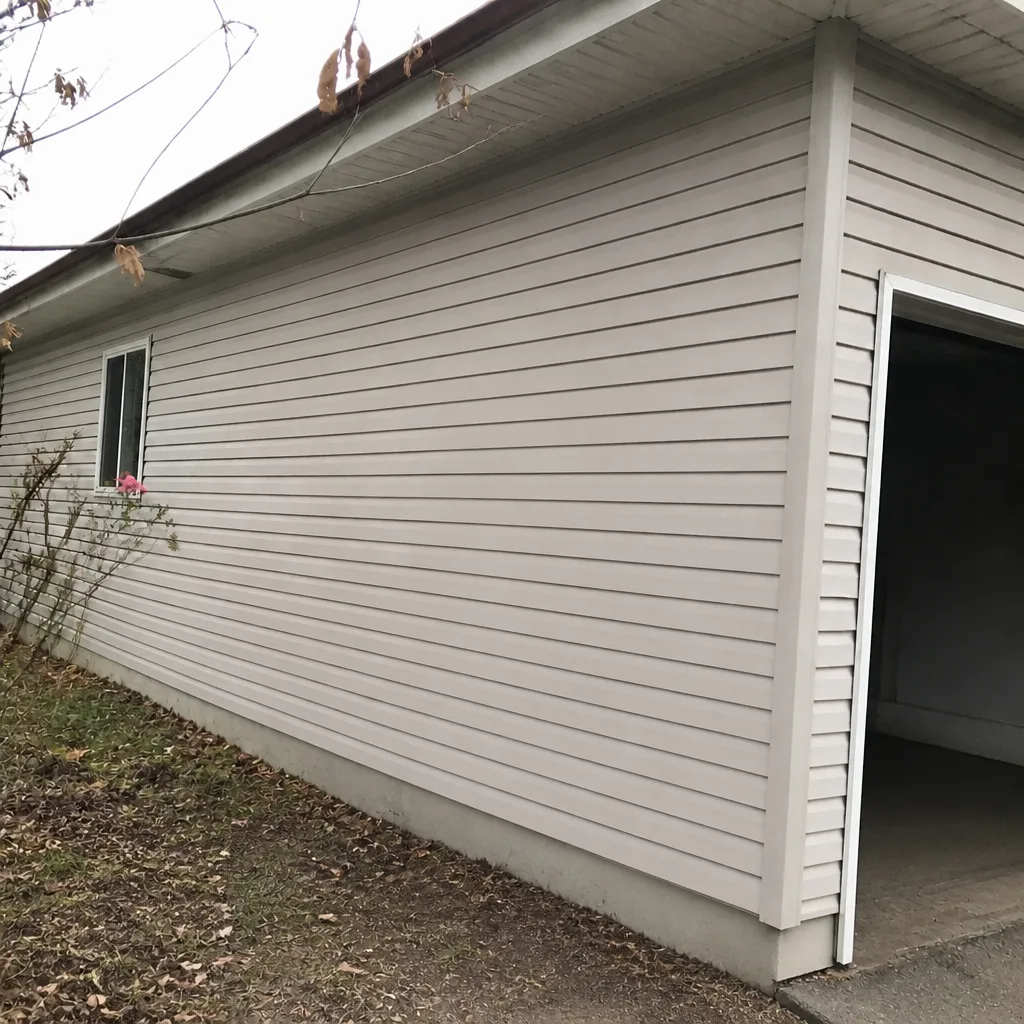 After
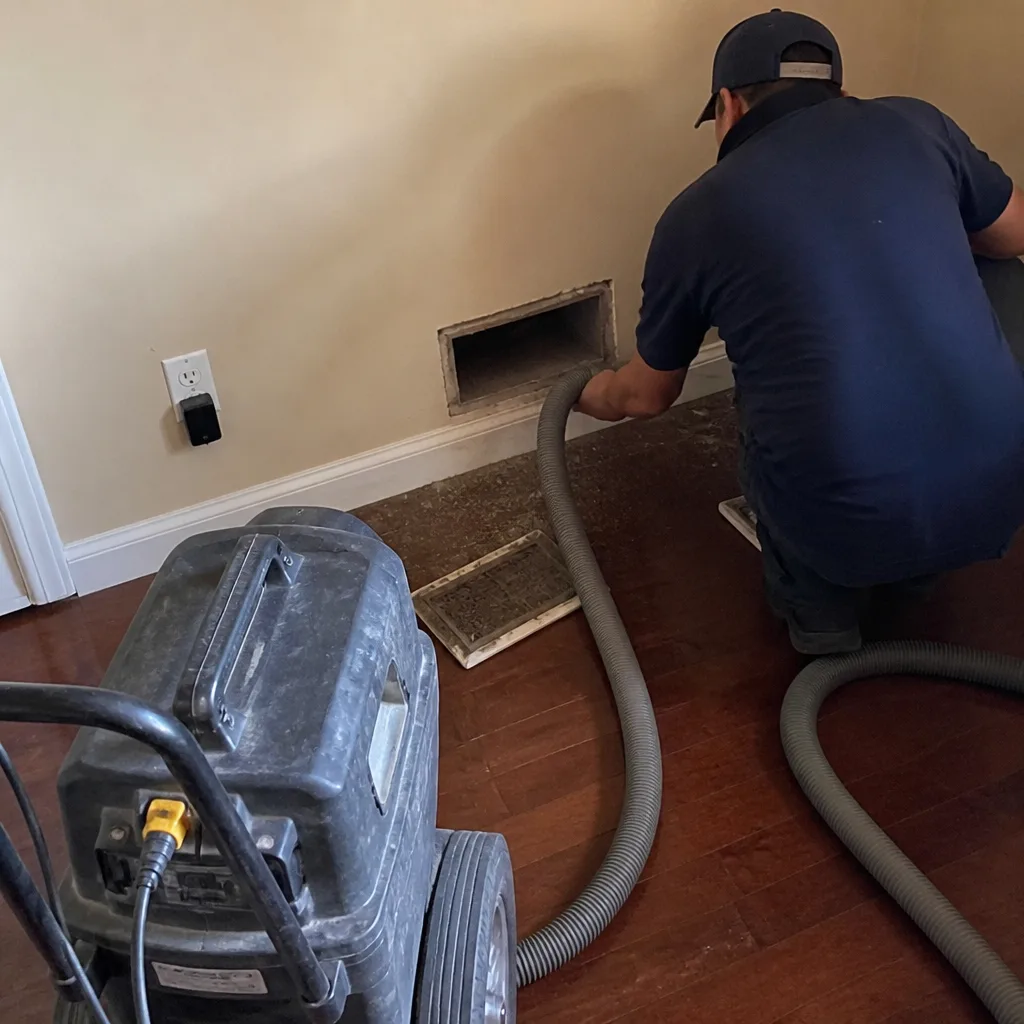 Before
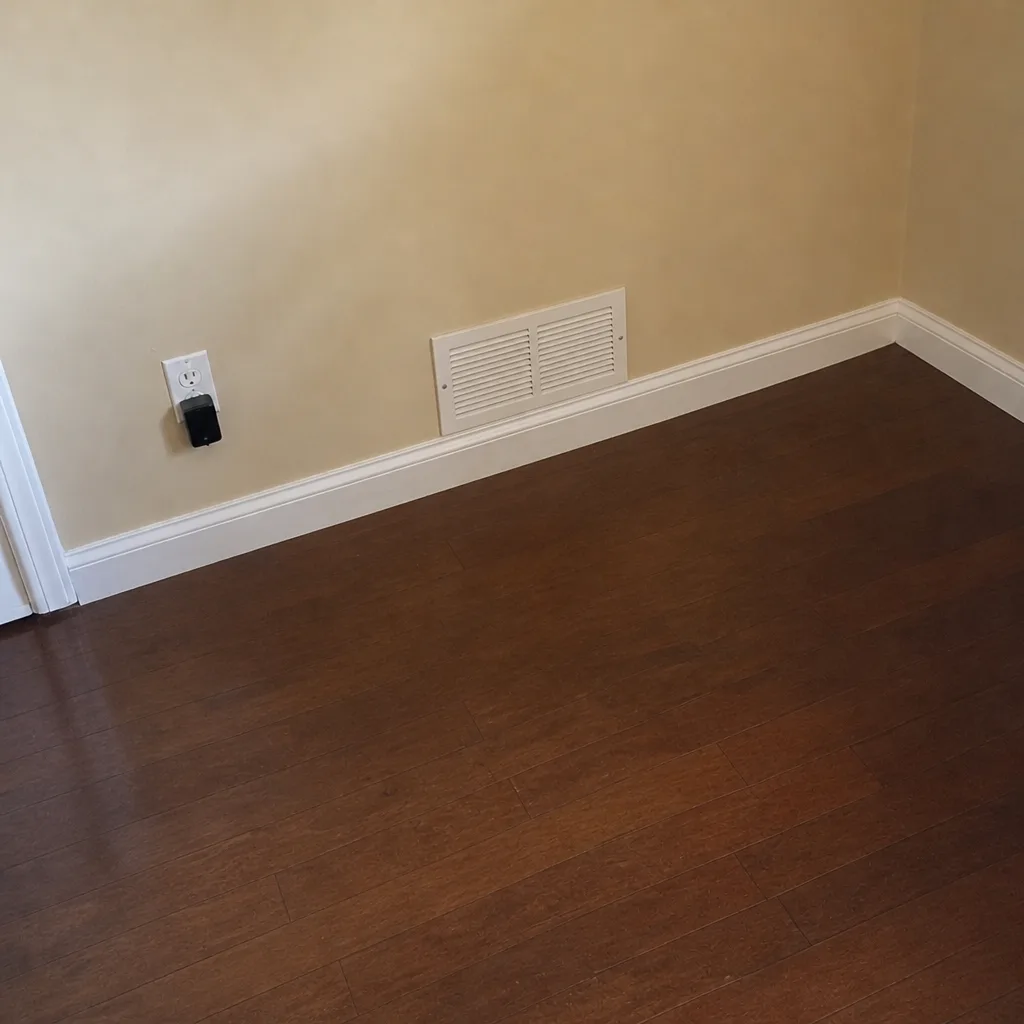 After
When to Call a Professional
Duct cleaning is worth scheduling when specific signs show up, not just on a calendar timer. Call if you’ve recently moved into an older Concourse home and don’t know when the ducts were last cleaned, if you’re seeing dust patterns around returns or dark streaks at registers, if anyone in the house has developed persistent allergy-like symptoms indoors, if the system smells musty when it starts, if you’ve had water intrusion or a renovation that kicked up debris, or if the dryer is taking longer and longer to dry a load (that’s a dryer vent signal, not a duct cleaning one). Multi-unit building owners should treat the system like any shared asset – inspect on a schedule and document what’s found. Air Duct Cleaning Concourse offers free estimates in Concourse – call (855) 947-0512.
Frequently Asked Questions
Typical 2026 estimates in Concourse land at $450-$750 for a three-bedroom single-system home and $750-$1,200 for larger or multi-system homes, with add-ons like dryer vent cleaning and coil cleaning priced separately. The written estimate sets the final price. Call (855) 947-0512 for an exact quote – estimates are free.
Cheap quotes usually reflect compressed scope or lighter equipment, not a lower profit margin on the same job. A truck-mounted negative-pressure clean with full agitation and photo documentation takes real time and real equipment, and the math on a $150-$299 whole-house quote for a 20-register home doesn’t work otherwise. Call (855) 947-0512 for an honest whole-system range instead.
Before-and-after photos of your own duct runs, taken during the visit, plus a written scope that names what was cleaned. Ask for both before the crew starts. If you’re shown stock images or vague reassurances instead, that tells you what you need to know. We provide before-and-after photos as part of the job.
There’s no universal calendar answer – most homes fall into a range of every few years, with more frequent cleaning if there’s a renovation, water intrusion, pets, or allergy concerns in the household. The system’s condition on inspection is a better guide than a fixed schedule. Call (855) 947-0512 and we’ll assess the ducts on-site.
No. Dryer vent cleaning is a separate service with a separate exhaust system, and it’s typically priced at $100-$200 in Concourse. It’s worth booking – dryer vents are a documented fire hazard when lint builds up, especially in older building exhaust runs. Call (855) 947-0512 to add it to an appointment.
If you have two HVAC air handlers – common in Concourse’s multi-floor two- and three-family buildings – each system is its own cleaning job and priced accordingly. Confirm the count with the technician during the walkthrough before comparing quotes. Call (855) 947-0512 for a quote covering every system in the building.
The Bottom Line
Duct cleaning prices in Concourse diverge for three reasons: scope, equipment, and labor time. A credible 2026 quote for a three-bedroom single-system home lands around $450-$750, includes supply and return cleaning with professional negative-pressure equipment, and comes with before-and-after photos of your own ducts. Anything meaningfully below that range is either compressed in scope or expecting an upsell once the crew is inside. Get a flat per-system price agreed in writing before work starts, ask what’s excluded, and require a written addendum with photos if anything turns up during the job. That’s the whole discipline. Everything else is noise.
Call (855) 947-0512. We answer 24/7. Fast dispatch from 7am to 7pm, Sunday through Friday.
Written by the team at Air Duct Cleaning Concourse.