
Last updated November 22, 2026
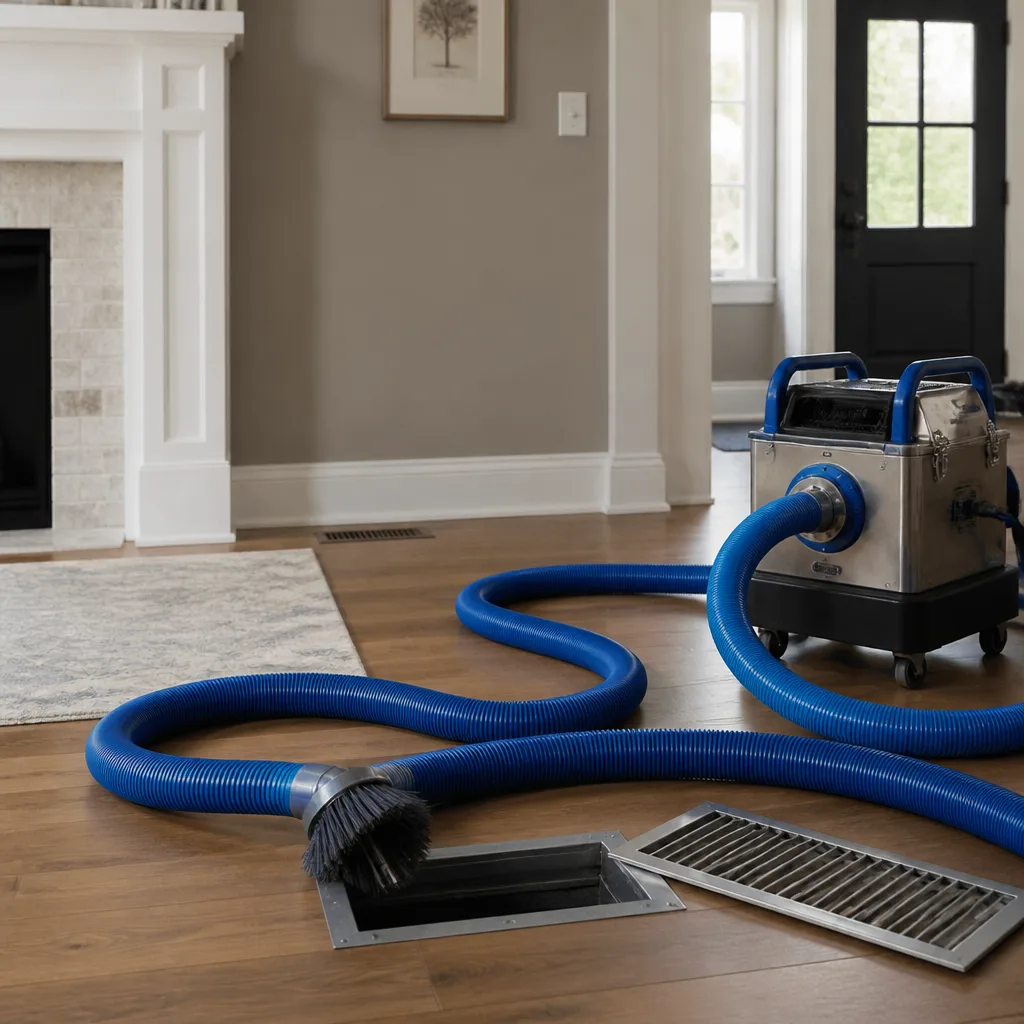 Whole-home duct cleaning
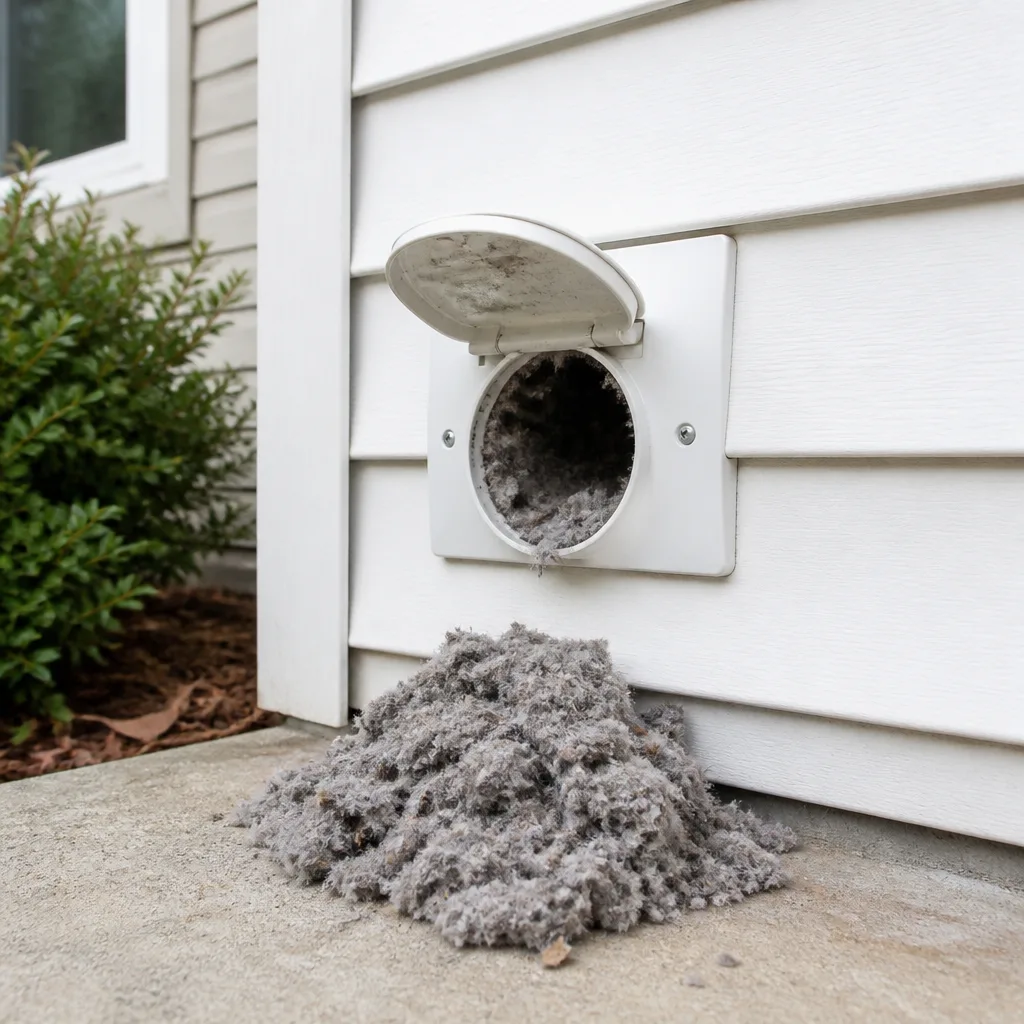 Dryer vent cleaning
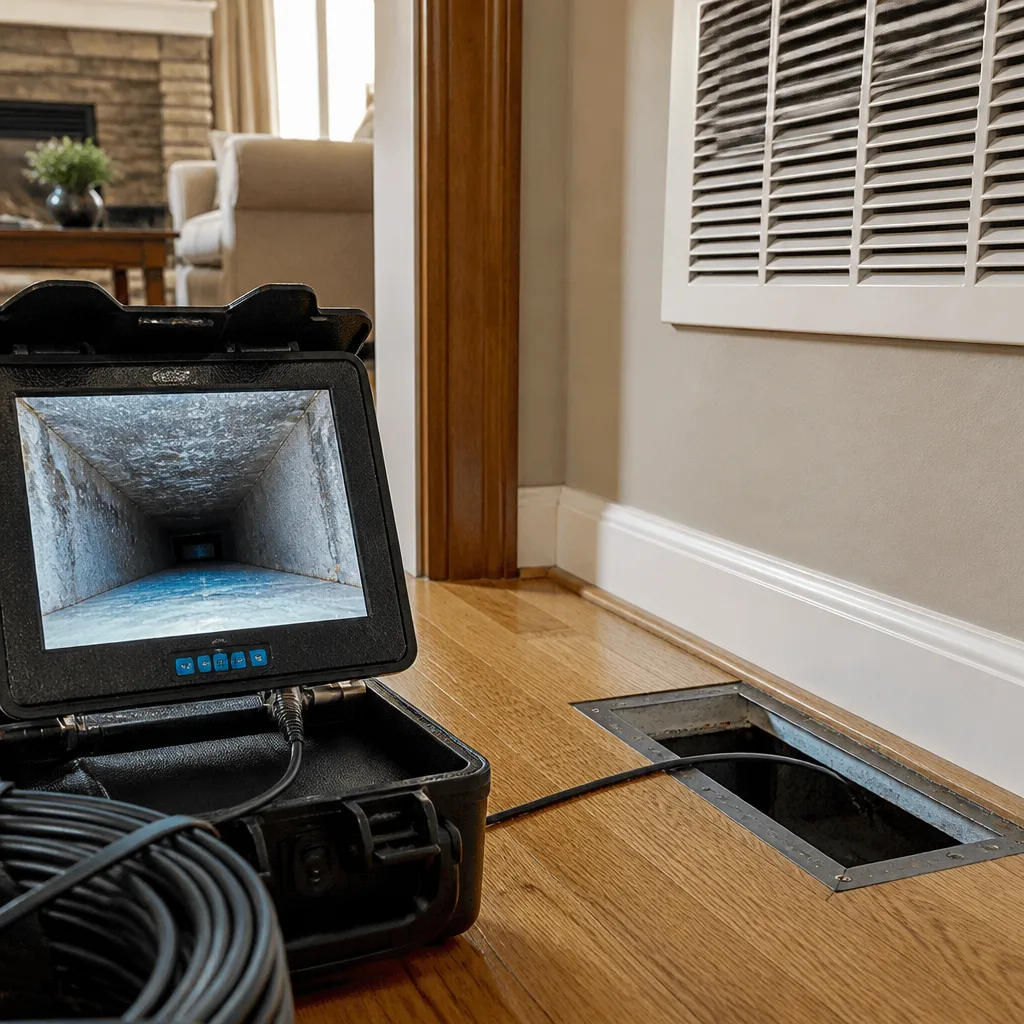 Camera inspection
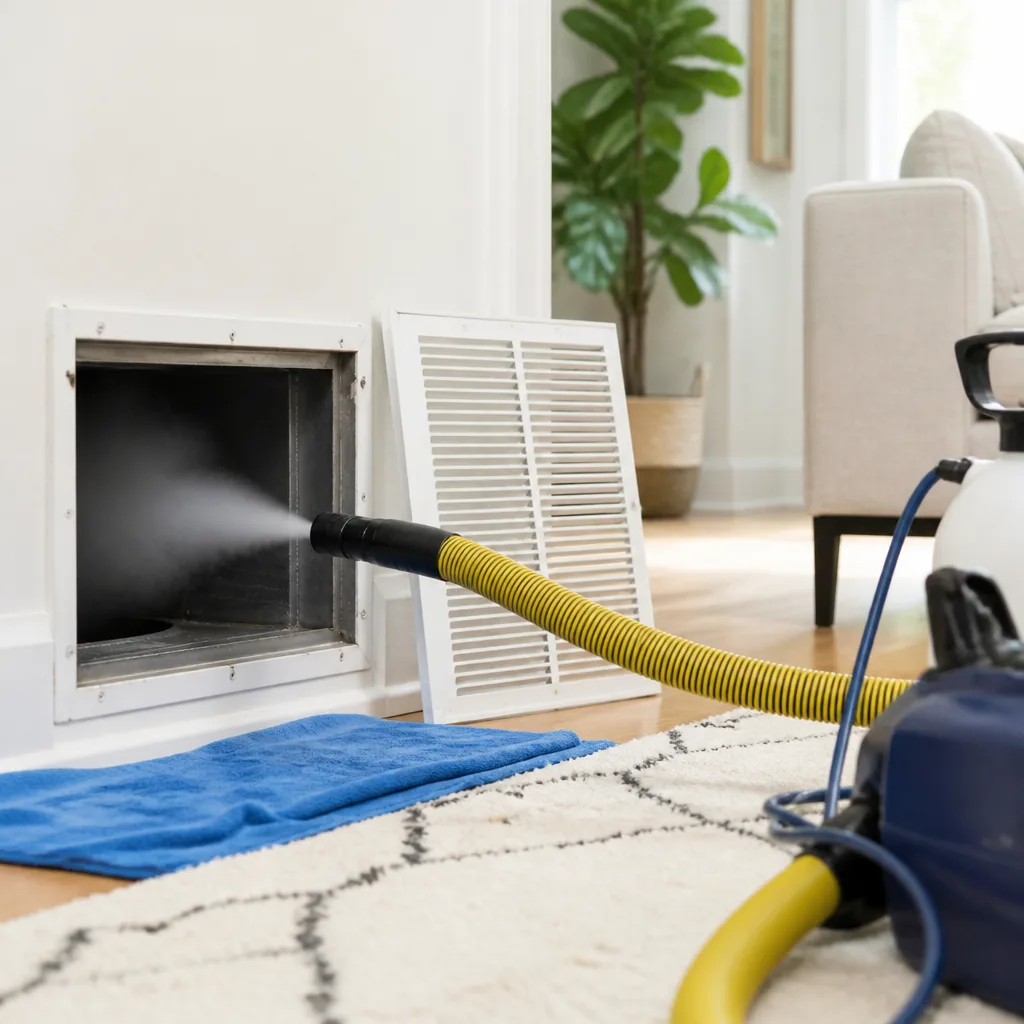 Sanitizing & deodorizing
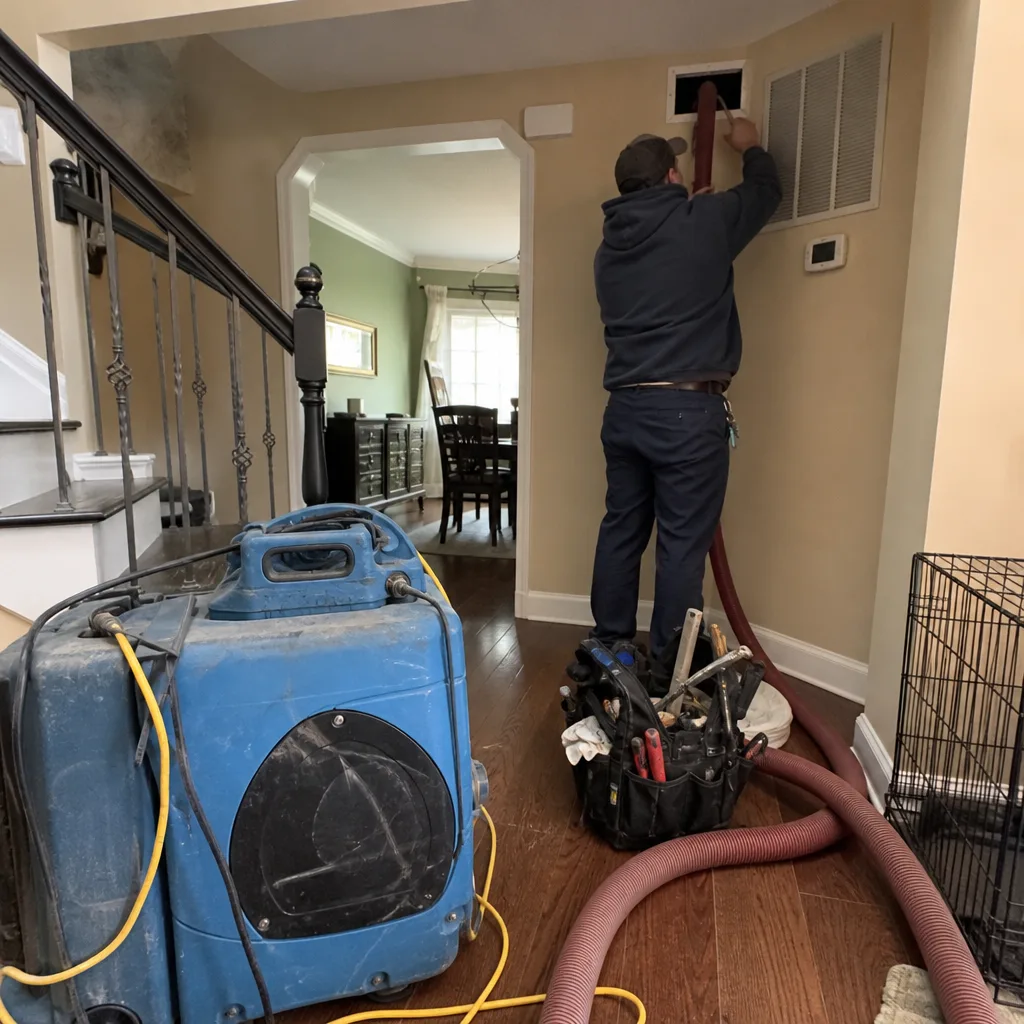
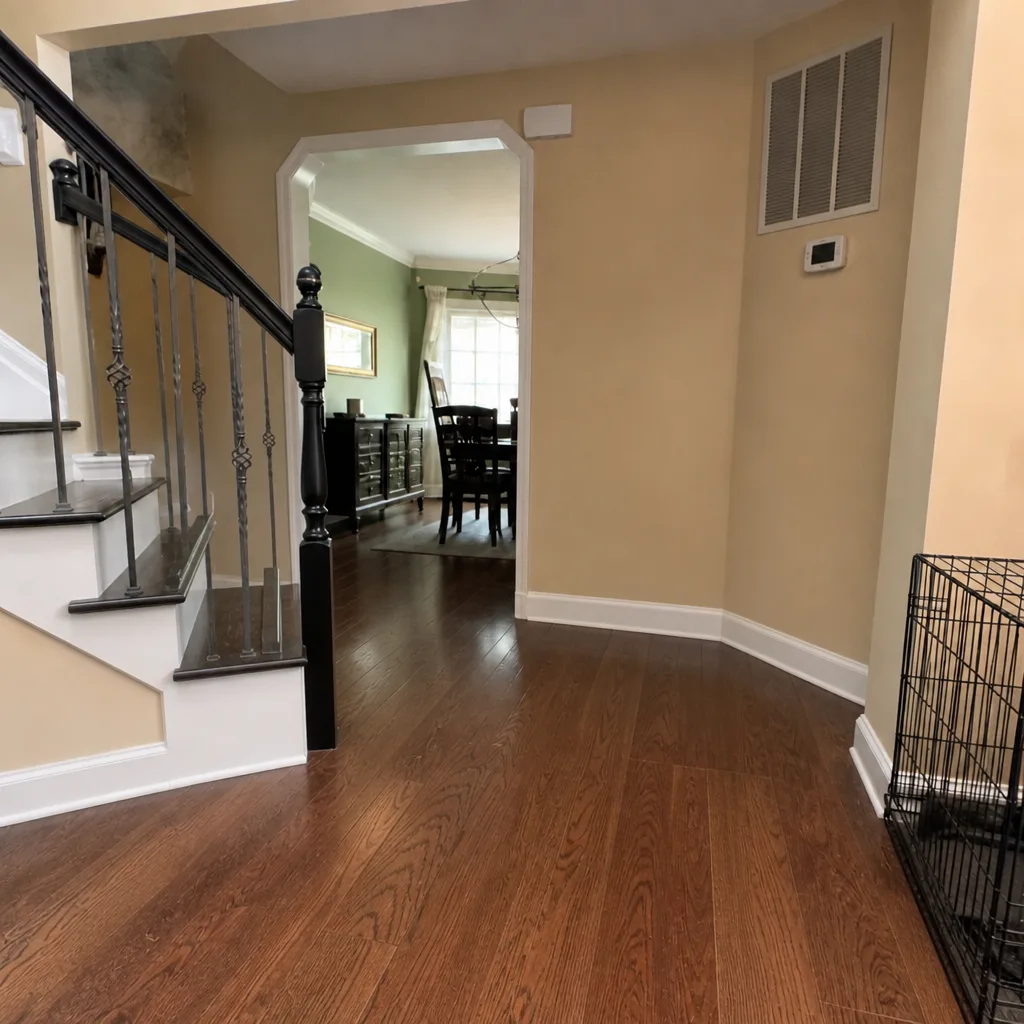
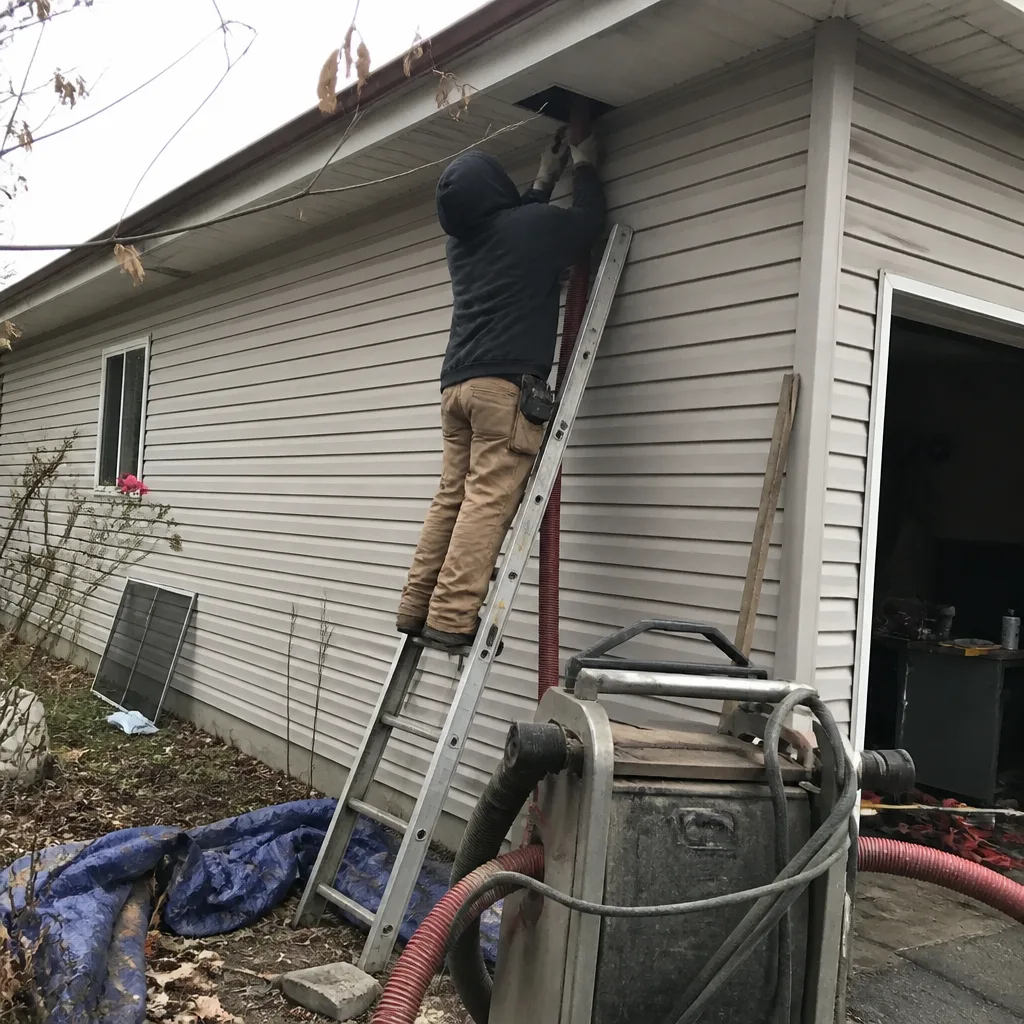
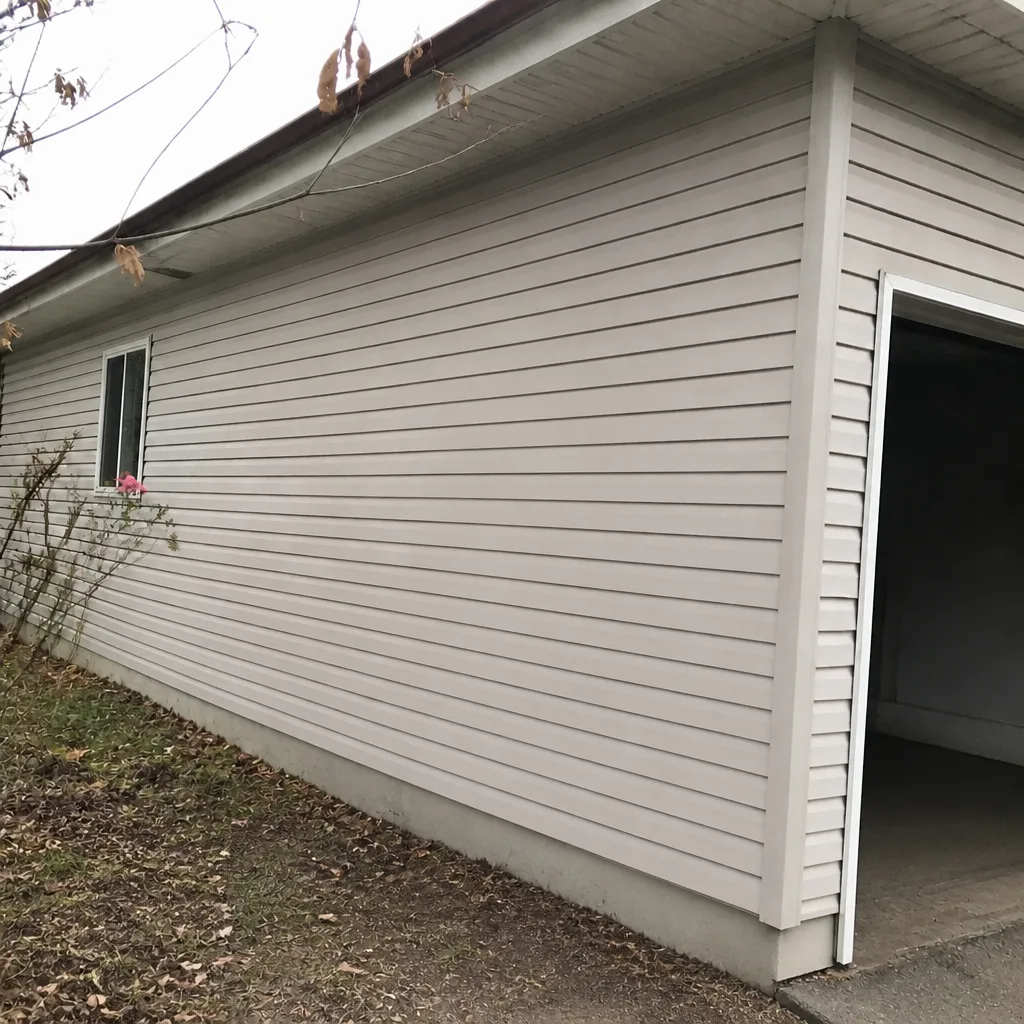
Whole-system duct and dryer vent check with before-and-after photos - you see exactly what came out of your vents
That "$99 whole-house special" is a bait ad - the real number appears once they are in your hallway, or the "clean" is a shop-vac at the register. We photograph the inside of your ducts before and after instead.
Air Duct Cleaning Maintenance Schedule: What to Do and When
A household with two shedding dogs, a 1-inch fiberglass filter, and a forced-air system running 10 months a year will hit a cleaning threshold in 18 months that an empty vacation home won’t reach in a decade. That gap is why the standard “every three to five years” advice fails so many homeowners. A calendar interval ignores the variables that actually drive how fast ductwork collects debris: occupancy, pets, HVAC runtime, filter grade, and whether the house has been through a renovation. This guide replaces the marketing calendar with a variable schedule you can tune to your own home. You’ll learn what to do monthly, what to check at 12 months, and how to document it all so the next cleaning is scoped correctly. We’re Air Duct Cleaning Concourse, and this is the schedule we’d hand to any homeowner in Concourse who wants their system to stay clean longer.
Quick Answer
Most homes should schedule professional air duct cleaning every 3 to 5 years, but high-occupancy homes, pet households, and any home that’s been renovated should shorten that to every 2 to 3 years. Filter swaps every 1 to 3 months, register inspections monthly, and a coil visual check each season do more to extend the interval between cleanings than anything else a homeowner does. There is no single correct interval – your number depends on occupancy, filter MERV rating, and how many hours a season the system actually runs.
Styles & brands we work with
- Whole-home duct cleaning
- Dryer vent cleaning
- Camera inspection
- Sanitizing & deodorizing
Table of Contents
- Why the Standard 3-to-5-Year Interval Fails
- The Four Variables That Set Your Real Interval
- Monthly and Seasonal Tasks That Extend the Interval
- The 12-Month Inspection: Are You On Track?
- Post-Renovation Timelines and the Settling Period
- Dryer Vent: A Separate Schedule Entirely
- The Maintenance Log a Technician Actually Wants
- Your Complete Schedule at a Glance
Why the Standard 3-to-5-Year Interval Fails
The 3-to-5-year number gets repeated everywhere because it’s a safe middle for the average household. Most homes are not average. A two-adult condo with a well-rated filter and a modest runtime isn’t the same contamination picture as a family of six with a shedding dog running central air from May through October in Concourse. Both may get told “every three years,” and only one of them actually needed it.
Contamination isn’t linear. Fine particulate accumulates slowly at first, then accelerates once enough has settled inside plenum walls and flex duct corrugation. That’s the point of a variable schedule: you want to clean before the deposits cross into the acceleration zone, not after. In our experience, timing the cleaning to the accumulation curve rather than the calendar saves most homeowners a round of unnecessarily aggressive cleaning and the associated cost.
Consider the variables that actually differ between two houses on the same Concourse block:
- Occupancy load: The number of people and pets shedding skin cells, hair, and dust directly affects how fast the return side of a system loads up.
- HVAC runtime: A system that runs 10 months a year moves far more air (and captures more particulate) than one that runs 3.
- Filter grade: A 1-inch fiberglass filter catches almost nothing; a MERV 11 to 13 pleated media filter captures a lot more before debris reaches the coil and ducts.
- Construction history: Drywall dust, sawdust, and insulation fibers from a renovation load a system in a way that ordinary occupancy never does.
Those four factors – not the calendar year – should drive when you schedule the next professional visit. A home that fails two or three of them belongs on the 2-year side of the schedule. A home that passes all four can comfortably stretch toward 5 years.
The Four Variables That Set Your Real Interval
Here’s how to score your own home and land on a starting interval. Give yourself one point for each variable that applies.
- Occupancy is high (score 1 if 4 or more residents): More people means more skin cells, hair, and general debris in circulation. Pet households get an automatic point here too, since dander and hair load the return side faster than people do.
- Runtime is long (score 1 if the system runs 8 or more months a year): In Concourse, heat and cooling seasons combine into a runtime that’s meaningfully higher than a milder climate would produce. Check your thermostat history or ask your HVAC tech for runtime hours – if you can’t measure it, estimate from your calendar.
- Filter grade is low (score 1 if using a 1-inch fiberglass or basic pleated filter under MERV 8): This is the easiest variable to move. Upgrading to a MERV 11 pleated filter (as long as the system can handle the static pressure) is one of the highest-leverage changes a homeowner can make.
- Construction is recent (score 1 if the home has been renovated, remodeled, or built within the last 3 years): Drywall dust and fine construction particulate travel farther and settle deeper than most owners realize. This variable gets its own section below.
A score of 0 to 1 puts you on the 4-to-5-year end of the schedule. A score of 2 puts you at 3 years. A score of 3 to 4 puts you at 2 years. Once you’ve had one cleaning, adjust based on what the technician pulled out.
Monthly and Seasonal Tasks That Extend the Interval
The single most effective thing a homeowner can do to lengthen the interval between professional cleanings is stay current on filter changes. Everything else builds on that. Here’s the maintenance cadence we recommend, broken down by frequency:
Every Month
- Inspect the filter: Hold it up to light. If you can’t see through the pleats, it’s loading. Change it if the media is visibly gray or matted.
- Walk the registers: Look for streaks of dark dust around the edges, loose grilles, or visible debris inside the boot. Any streak or visible dust is a sign your filter isn’t catching enough.
- Check the return grille: The return pulls the most debris. If it looks noticeably worse than the supply registers, you’re likely under-filtered.
Every Season (Four Times a Year)
- Do a coil visual check: Remove the access panel on the indoor coil (if it’s easily accessible) and look for lint or matting. A dirty evaporator coil is often the first sign ducts are loading upstream of it. Leave the coil cleaning itself to a technician – the finned surface is easily bent.
- Vacuum the return grille face: A quick pass with a brush attachment keeps the grille from becoming a visible dust strip that signals worse things downstream.
- Check for drafts and gaps: Look for daylight or air movement around flex duct connections and register boots. A gap in a duct can pull attic or crawlspace air into the system regardless of filter grade.
Annually
- Schedule a professional system check: Have HVAC cleaning performed on the air handler and coil, even if ducts aren’t due yet. A clean coil and blower preserve filter effectiveness.
- Review your maintenance log: More on that below. The log determines whether you’re on a 3-year cycle or already overdue.
The 12-Month Inspection: Are You On Track?
Twelve months in is when you can read the system honestly rather than guess. Grab a flashlight and a notepad, and check the following. Any two or more red flags mean you should move up to a 2-to-3-year professional cleaning rather than stretching toward 4 or 5.
- Return-side dust contrast: Look at the return duct interior (if accessible) and compare to a supply branch. If the return side is visibly darker or has a fuzzy deposit, accumulation is active.
- Register staining: Dark streaks radiating from supply and return grilles mean airflow is carrying persistent particulate.
- Filter consumption rate: If a MERV 11 filter is fully loaded in 60 days instead of 90, your contamination rate is high regardless of filter grade.
- Odor: A musty or stale smell when the system first runs is a sign of microbial activity in a damp coil or duct section. That calls for cleaning plus sanitizing, not just cleaning.
- Visible debris at the register boot: If you can see fibers or dust clumps when you shine a light into a supply register, deposits have breached the visible parts of the system.
If none of these show up, stay on your current schedule and re-inspect at 24 months. If two or more show, schedule the cleaning. At Air Duct Cleaning Concourse, our technicians use Rotobrush and Nikro equipment to pull an inspection-grade source sample before the job so the cleaning is scoped to what’s actually there, not what a stock price sheet says. That’s the diagnostic step that most low-bid operators skip.
Post-Renovation Timelines and the Settling Period
“Clean the ducts after construction” is not wrong, but it undersells when the actual work should happen. Drywall dust, joint compound fines, sawdust, and fiberglass fibers don’t settle inside ducts within a day or a week – fine particulate keeps circulating in the system for weeks after the last sanding pass. Cleaning two days after the drywall crew leaves captures the big debris and misses the fine load that’s still airborne.
This is the post-renovation schedule we recommend:
- Day of final cleaning: Vacuum the home thoroughly with a HEPA vacuum. Change the HVAC filter – do not reuse the construction filter.
- Week 1: Replace the filter again. Run the system on fan-only for a few hours to move remaining fine particulate through the filter rather than letting it settle.
- Week 3 to 4: Replace the filter a third time. This catches fine particulate that was still suspended during the first round.
- Week 6 to 8: Schedule professional duct cleaning. This is when construction dust has largely settled out of the airstream, so the cleaning captures what’s gone into the duct surfaces rather than what’s still airborne.
- Month 12: Re-inspect. New-construction homes often need a second cleaning at the 12-month mark because the initial load was heavy and the filter likely caught less than it should have during the renovation itself.
For a bathroom or kitchen-only remodel, the risk is much lower – a standard 3-year schedule still applies. For a full-room gut or an addition, treat the home as a high-contamination site for the first year. Our team can pair the duct cleaning with duct repair and sealing if the renovation exposed gaps or disconnected sections, which is common after layout changes.
Dryer Vent: A Separate Schedule Entirely
Dryer vents don’t belong on the same schedule as the HVAC ducts, and treating them as an add-on is a mistake. Lint accumulation in a dryer vent is a fire hazard, and the NFPA has documented the risk for years. The interval is shorter, the inspection method is different, and the consequences of skipping it are worse.
We recommend professional dryer vent cleaning once a year for most households, and more frequently if any of the following apply:
- Clothes take longer than one cycle to dry
- The dryer feels unusually hot to the touch on top or at the door
- You notice lint around the outside vent flap
- The vent run is long or has multiple elbows
- You have a large household with heavy laundry volume
Between professional cleanings, clean the lint trap before every load and check the outside vent flap once a month. If the flap doesn’t swing freely when the dryer runs, airflow is restricted – stop using the dryer and get the vent checked. This is the one part of the schedule where “wait until next year” is not a good answer.
The Maintenance Log a Technician Actually Wants
What a technician wants before the appointment isn’t a folder of receipts. It’s a short, honest record of filter changes, previous cleanings, and red flags observed. That record is how the scope of the work gets calibrated before we arrive, which saves you from either overpaying for unnecessary work or paying for a clean that doesn’t reach the problem. Keep it in a single note on your phone or a page in the utility-closet binder.
Document these fields:
- Filter change dates and MERV rating: The rating matters as much as the date. A MERV 13 filter loading in 60 days is a different signal than a MERV 8 in the same window.
- Previous duct cleaning date and who performed it: “Cleaned” at what scope? Whole-system, supply-only, or register-only? The last two miss the plenum.
- Renovation dates and scope: What was remodeled, when the last sanding pass happened, and whether the system ran during the renovation.
- Red flags observed: Register staining, odors, visible debris at boots, and the dates you first noticed them.
- HVAC service records: Coil cleaning dates, blower service, and any air handler work.
- Pets and occupancy changes: Adding a pet or a family member shifts the contamination curve, even if nothing else changes.
A well-kept log is why two homes on the same Concourse block with the same floor plan can be given different schedules and both get the right answer. Our technicians have up to 15 years of experience reading these patterns, and a clean log signals to us in minutes whether you’re on track for the 3-year cycle or should move up. Full-scope work under one roof matters here too – if the inspection reveals disconnected flex or gaps at the plenum, we repair and seal on the same visit, so you’re not booking a second contractor. That’s the “we repair what we find” part of the job, and it’s what separates a real cleaning from a surface pass.
Your Complete Schedule at a Glance
Here’s the whole framework in one place:
- Every month: Inspect the filter; walk the registers; check the return grille for staining.
- Every season: Coil visual check; vacuum the return grille; look for drafts and gaps at boots.
- Annually: Professional HVAC and coil check; review the maintenance log; dryer vent cleaning.
- Every 2 years: High-occupancy or pet-heavy homes, homes with low filter grade, recent renovations, or any home that fails two or more 12-month inspection checks.
- Every 3 years: Average homes that score two variables on the framework above.
- Every 4 to 5 years: Low-occupancy homes with good filter grade, moderate runtime, and no recent construction.
- After any gut renovation or addition: Filter change at week 1 and week 3 to 4; duct cleaning at week 6 to 8; re-inspection at month 12.
Air Duct Cleaning Concourse handles the professional side of that schedule – duct cleaning, dryer vent cleaning, HVAC cleaning, duct repair and sealing, and air quality and sanitizing – using Rotobrush, Nikro, Abatement Technologies, Honeywell, and Aprilaire systems rather than entry-level machines. If your inspection turns up something, we’re set up to fix it in the same visit. That’s remediation-level capability applied to residential work, start to finish.
Common Mistakes to Avoid
- Treating the 3-to-5-year number as fixed regardless of household. A high-occupancy pet household running 10 months a year is not the same contamination picture as a two-adult condo. Score the four variables before setting the interval.
- Using a 1-inch fiberglass filter in a high-occupancy home. It catches almost nothing, and it lets fine particulate reach the coil and ducts untouched. Step up to MERV 11 if the system can handle the static pressure.
- Cleaning ducts two days after a renovation finishes. Fine construction particulate is still airborne for weeks. Wait until week 6 to 8, then clean.
- Treating dryer vent cleaning as a yearly afterthought. Lint in a dryer vent is a fire hazard – it belongs on a firm annual schedule, not “when we remember.”
- Hiring a crew that cleans supplies only and skips the plenum. Plenum and return-side debris is where most of the contamination builds up. Ask what’s in scope before booking.
- Skipping the 12-month inspection. That one check is what tells you whether to extend or move up the next cleaning. Without it, you’re guessing at the interval.
- Not keeping a maintenance log. Without filter dates, scope of previous cleanings, and renovation history, every technician has to start from zero.
See the difference
 Before
 After
 Before
 After
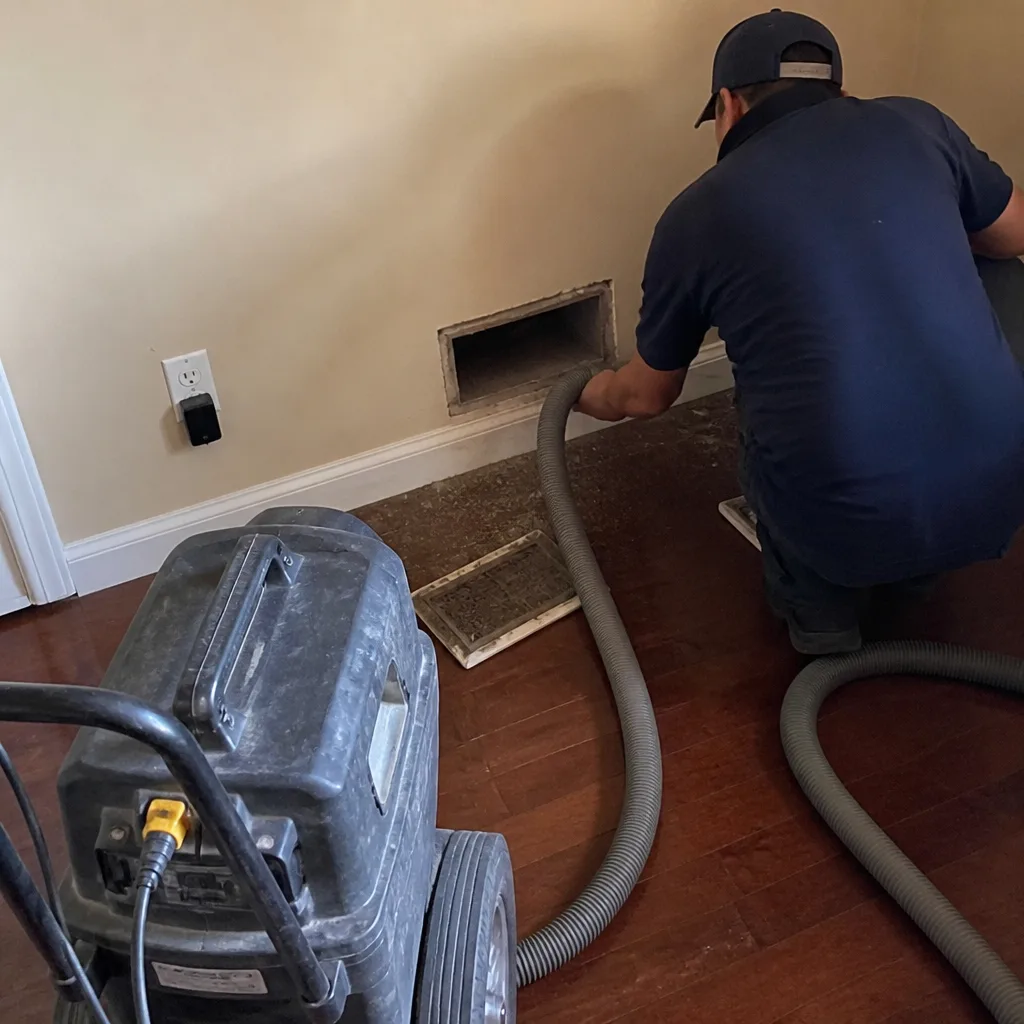 Before
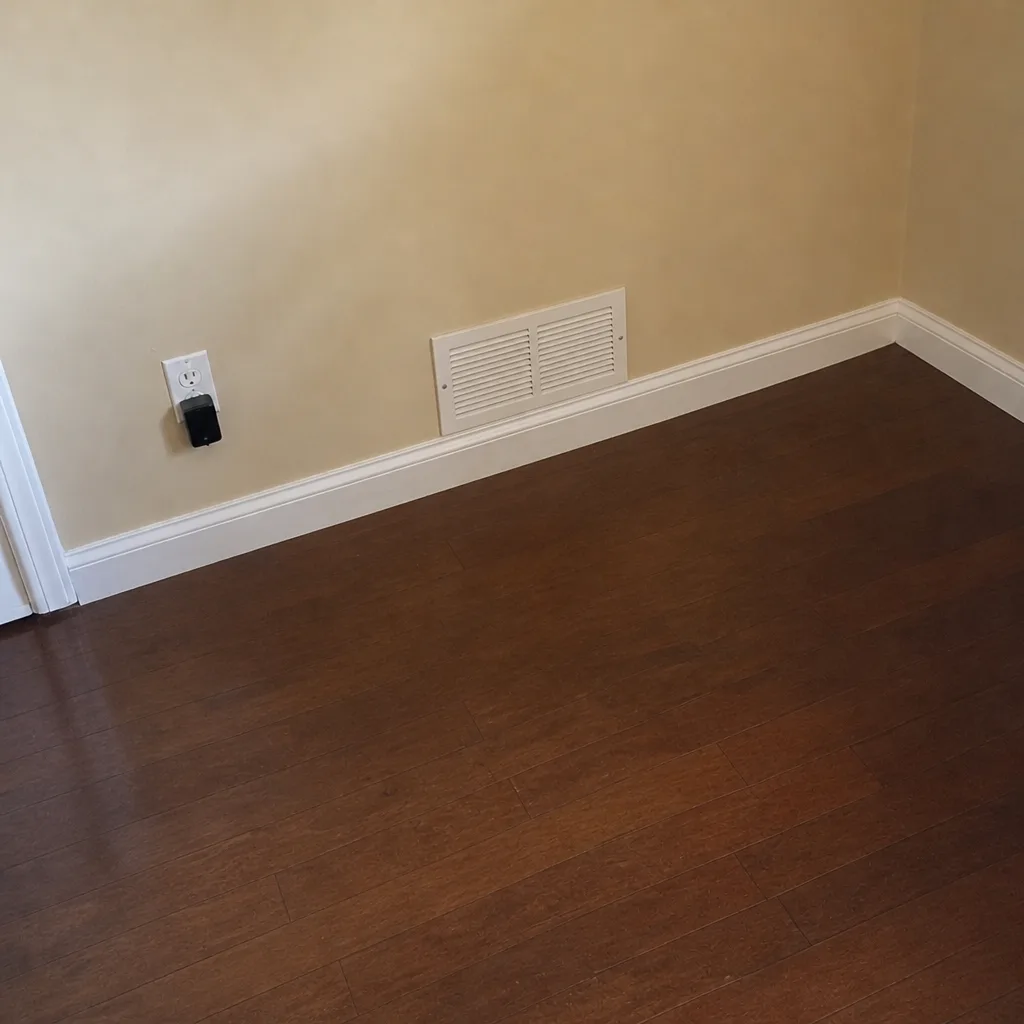 After
When to Call a Professional
Some signs call for scheduling a cleaning on your own timeline, and some mean it’s time now. If you notice visible debris at any register, a musty odor when the system first runs, streaks of dark dust around grilles, or a filter that’s loading in 60 days instead of 90, the system has already crossed the accumulation threshold – waiting is no longer saving you money. Same for any home that’s been through a full renovation, and for any dryer vent that’s taking longer than one cycle to dry clothes.
Air Duct Cleaning Concourse offers free estimates in Concourse – call (855) 947-0512. We answer 24/7 for the phone line, and crews are dispatched Sunday through Friday, 7am to 7pm. We’re closed on Saturday. Estimates are per job and confirmed in writing before any work begins.
Frequently Asked Questions
Most homes should schedule professional air duct cleaning every 3 to 5 years, with high-occupancy, pet-heavy, or recently renovated homes shortening that to every 2 to 3 years. There is no universal calendar interval – the real number depends on occupants, HVAC runtime, filter grade, and construction history. Call (855) 947-0512 for a free estimate – our team can review your variables over the phone and give you a starting interval.
Ducts need attention when they’ve accumulated enough debris to affect airflow or air quality – visible debris at registers, persistent odors, or heavy post-renovation loading. A household with a well-rated filter and low runtime may go 5 years without a real need; a high-occupancy home in Concourse with a MERV 8 filter may need it at 18 months. The 12-month inspection in this guide is how you tell the difference. Call (855) 947-0512 for an exact quote – estimates are free.
MERV 8 is the minimum most residential systems handle safely; MERV 11 catches far more fine particulate without overloading most setups, and MERV 13 works only if the blower can handle the added static pressure. Check your HVAC manufacturer’s recommendation before stepping up – too high a MERV on an undersized blower restricts airflow and can damage the system. If you’re unsure, ask the technician during your next HVAC cleaning visit.
Change the filter on the day of final cleaning, again at week 1, and again at week 3 to 4 – then schedule duct cleaning at week 6 to 8, and re-inspect at month 12. Fine construction dust keeps circulating for weeks after sanding stops, so cleaning too early misses the load that’s still airborne. Homes that go through a full gut may need a second cleaning at the 12-month mark. Call (855) 947-0512 to schedule post-renovation duct cleaning with a free estimate.
A dryer vent should be professionally cleaned once a year for most households, and sooner if clothes take longer than one cycle to dry or the outside vent flap doesn’t swing freely. Dryer vent lint is a documented fire hazard, so the annual schedule is not optional. We treat dryer vent cleaning as a dedicated service at Air Duct Cleaning Concourse, not an add-on. Call (855) 947-0512 for a free estimate.
Cheap quotes usually mean a smaller scope or a lower-grade machine – supply-register-only cleaning, no plenum or return-side work, or entry-level vacuums that don’t pull deep debris. The result is a job that looks done and doesn’t reach the accumulation zone. We use Rotobrush and Nikro equipment – the same grade used by commercial contractors – and we scope the job by what the inspection actually finds. Call (855) 947-0512 for an exact quote – estimates are free, and the price is confirmed in writing before work starts.
Ask for before-and-after photos of the duct interiors, plenum, and coil – not just exterior shots. A crew that has cleaned deeply will have visible evidence inside the system. And ask what the scope included: supply-only, or supply plus return plus plenum. If the answer is supply-only, the work wasn’t complete. At Air Duct Cleaning Concourse we show the source sample at inspection and share before-and-after photos on every job, so you can verify what was actually pulled from your ducts.
The Bottom Line
A variable-interval schedule keyed to occupancy, runtime, filter grade, and construction history is what actually keeps a duct system clean and a household comfortable. The standard 3-to-5-year advice is a reasonable starting point for the average home, but most homes aren’t average. Score your own variables, stay current on filter changes, run the 12-month inspection, keep a maintenance log, and treat dryer vent cleaning as a firm annual task. That’s the framework. The professional piece – measured cleaning with the right equipment, plus repair and sealing if the inspection finds problems – is what we do. If you’re ready to schedule the first visit or want a free estimate, see Air Duct Cleaning Concourse or call us directly.
Call (855) 947-0512 for a free estimate. We answer 24/7. Fast dispatch from 7am to 7pm, Sunday through Friday. Closed Saturday.
Written by the team at Air Duct Cleaning Concourse.