
Last updated November 22, 2026
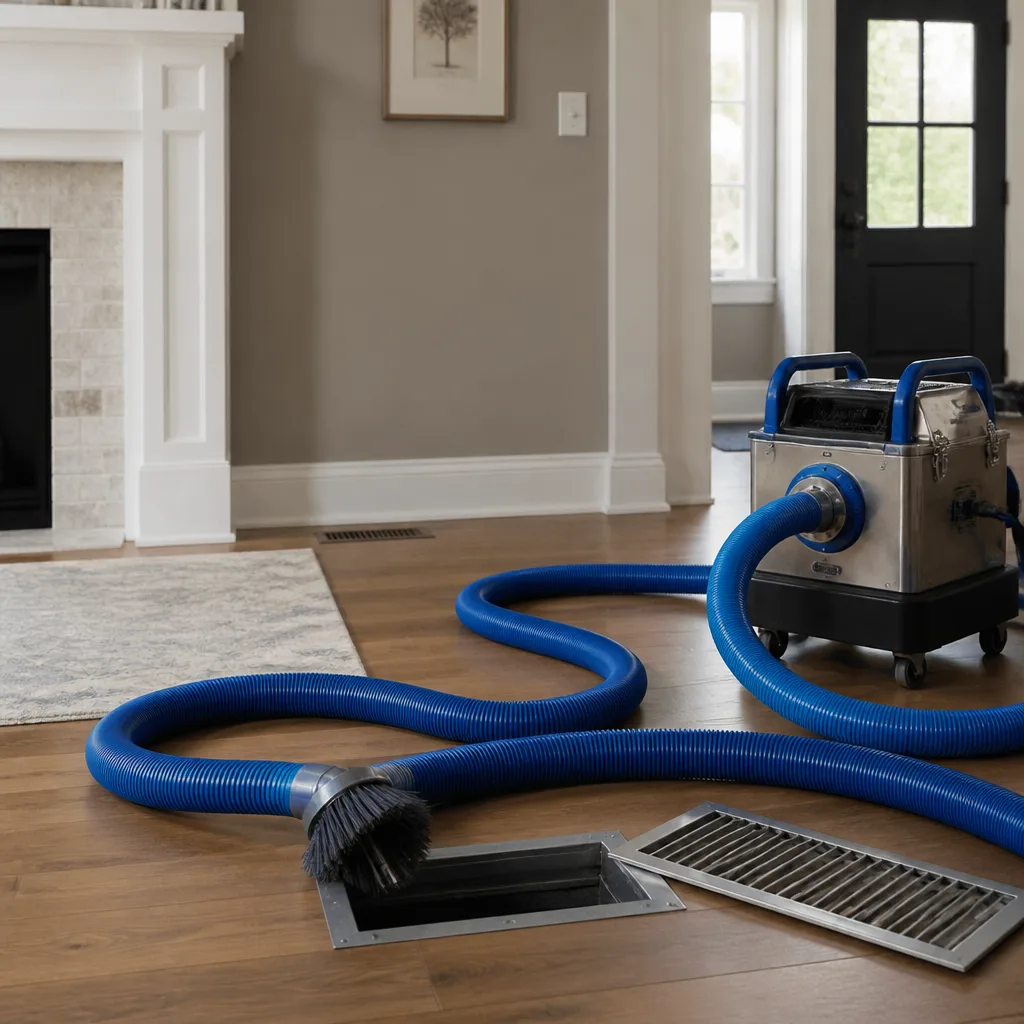 Whole-home duct cleaning
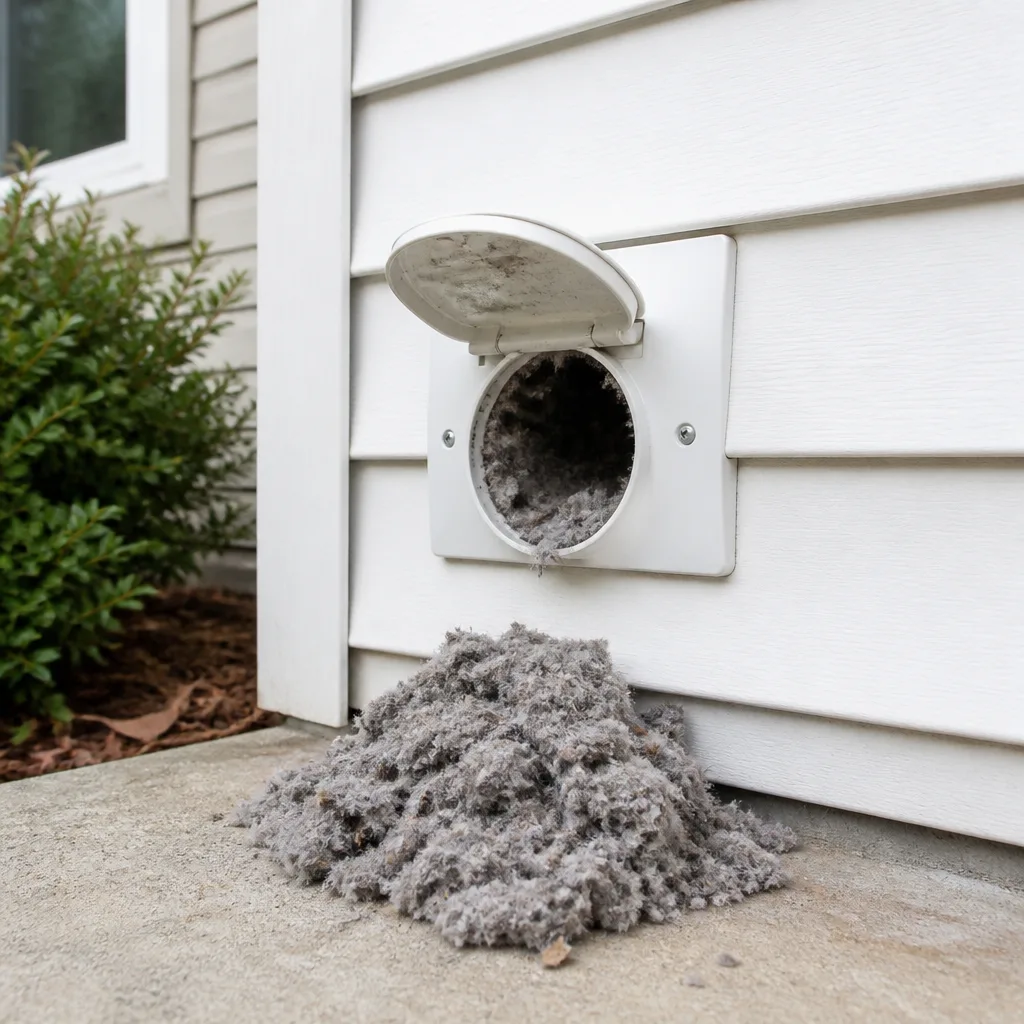 Dryer vent cleaning
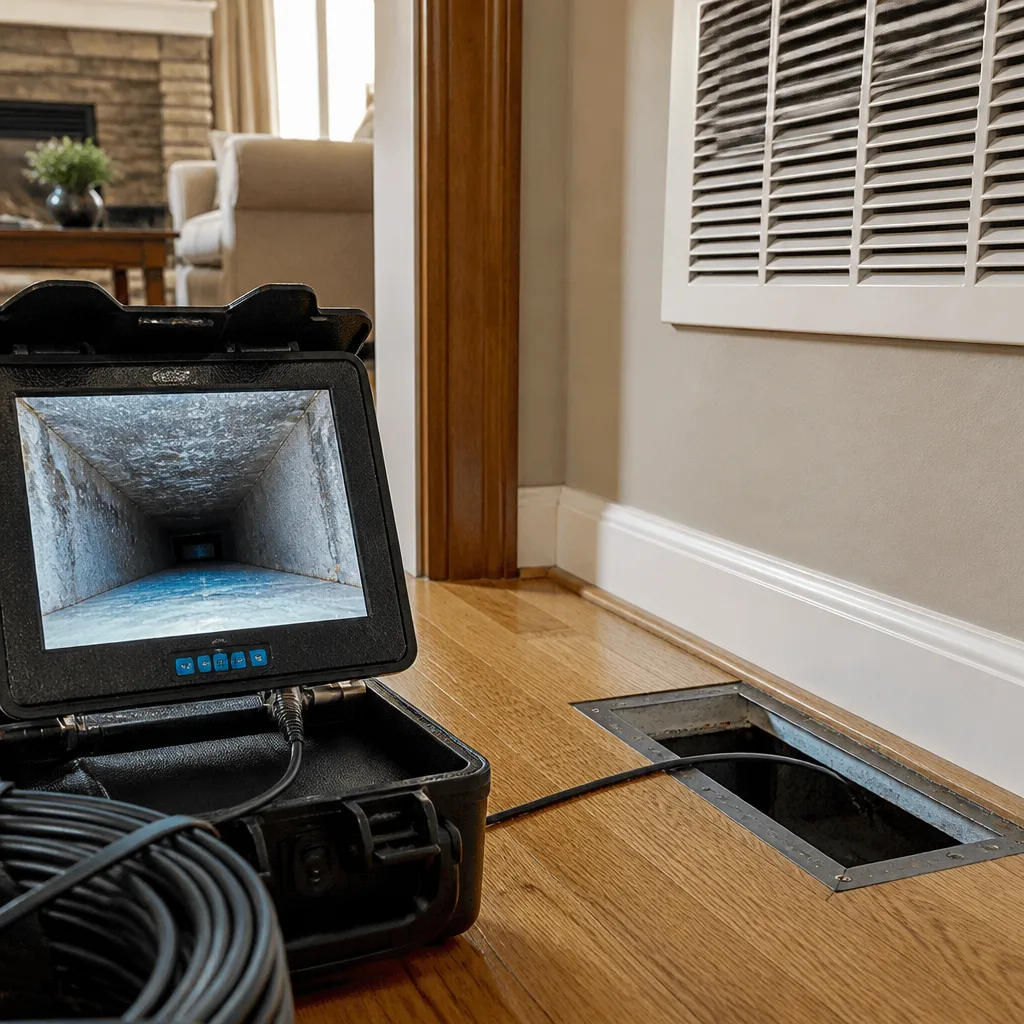 Camera inspection
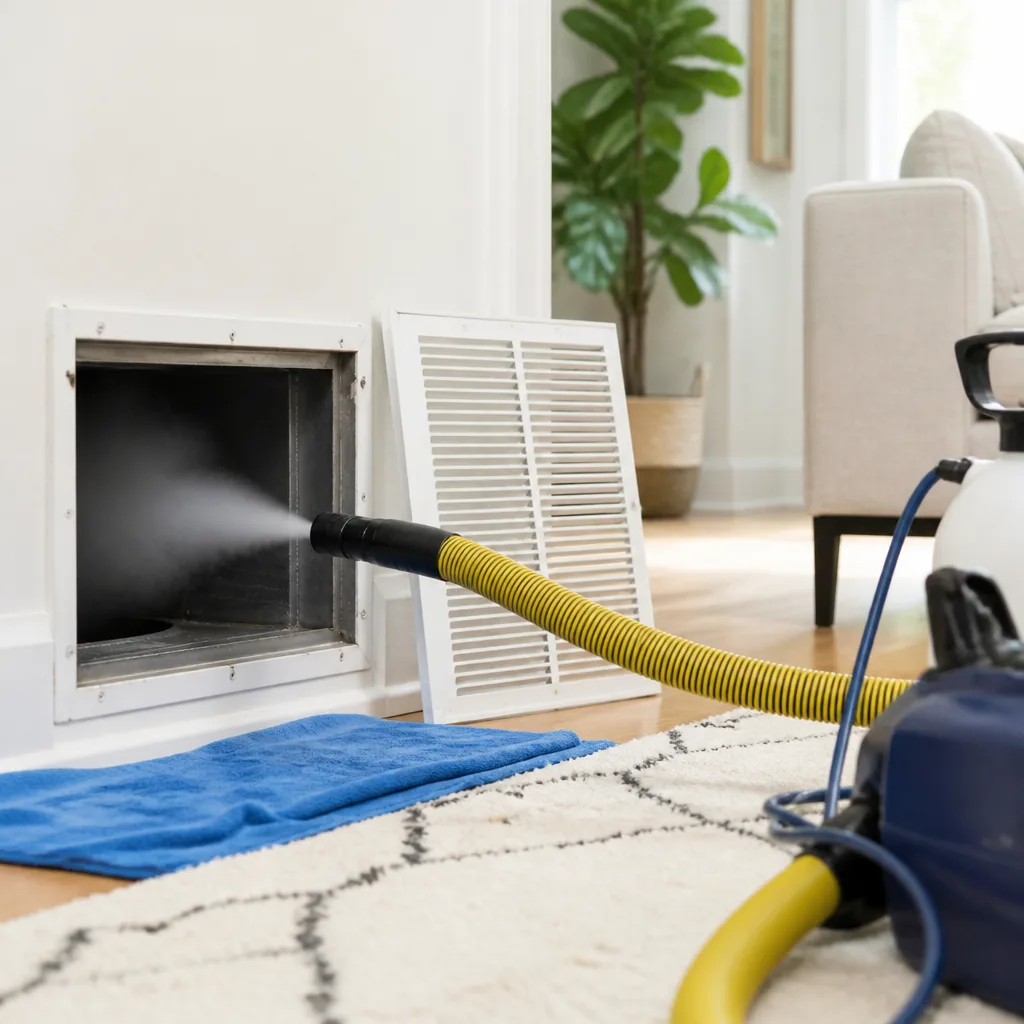 Sanitizing & deodorizing
Whole-system duct and dryer vent check with before-and-after photos - you see exactly what came out of your vents
That "$99 whole-house special" is a bait ad - the real number appears once they are in your hallway, or the "clean" is a shop-vac at the register. We photograph the inside of your ducts before and after instead.
Air Duct Cleaning Permits, Codes & Inspections in Concourse, NY: What You Need to Know
Here’s the part most contractors skip: the cleaning itself usually needs no permit in New York, but the things frequently sold alongside it often do. If a crew brushes out your ducts and stops there, you’re fine. If that same crew slaps mastic sealant on a trunk line, cuts out a section of flex duct, or sprays an antimicrobial into your supply plenum without a licensed mechanical contractor on record, you may end up with unpermitted mechanical work attached to your property – and that surfaces at resale, refinance, or a random DOB inspection. This guide draws the line between cleaning and construction work in Concourse, explains which agencies have jurisdiction, and tells you exactly what paperwork to collect before anyone touches your ductwork.
Quick Answer
Routine air duct cleaning does not require a permit in New York City or New York State – it’s classified as maintenance, not mechanical work. But duct sealing with mastic or tape, liner replacement, installing new duct runs, and applying EPA-registered antimicrobial products can fall under NYC Department of Buildings mechanical code or New York State DEC pesticide rules, and those tasks need a licensed contractor. If the work goes beyond vacuuming and brushing, ask who’s licensed and get the paperwork before the crew starts.
Styles & brands we work with
- Whole-home duct cleaning
- Dryer vent cleaning
- Camera inspection
- Sanitizing & deodorizing
Table of Contents
- What counts as mechanical work versus cleaning in New York
- Why Concourse falls under NYC code, not just state code
- Duct sealing, liner replacement, and when a permit is triggered
- Antimicrobial sprays and New York DEC pesticide rules
- The paperwork to collect from any contractor doing more than cleaning
- How “duct sanitizing” and “duct coating” are classified under New York law
- What an inspection actually looks like and what gets flagged
- Common mistakes and when to call a specialist
What Counts as Mechanical Work Versus Cleaning in New York
New York draws the line at whether the work changes the mechanical system or merely maintains it. Cleaning removes accumulated debris from ducts, coils, blowers, and registers without altering the system’s configuration or performance envelope. Mechanical work changes how the system is built or how it operates – adding a run, replacing a component, sealing a joint with a permanent material, installing a new appliance connection.
The NYC Department of Buildings governs mechanical work under the NYC Mechanical Code, which mirrors the International Mechanical Code with local amendments. New York State’s Department of Labor handles worker safety and licensing requirements for certain trades at the state level. Both agencies are relevant in Concourse because Concourse sits inside the Bronx, which means city code applies on top of state rules.
Here’s how the split usually looks:
- Cleaning and maintenance (generally no permit): source removal of dust, debris, and biological growth from existing duct surfaces; blower and coil cleaning; register and grille cleaning; filter replacement; dryer vent lint removal.
- Mechanical work (permit or licensed contractor likely required): installing new duct runs; replacing flex duct sections; sealing joints with mastic or permanent tape per mechanical code; installing or replacing a plenum or trunk line; connecting a new appliance to the duct system.
- Regulated application (license-dependent): applying antimicrobial chemicals that fall under Environmental Protection Agency registration and New York State pesticide law; applying coatings to duct interiors.
The gray zone is sealing. A small mastic touch-up on an accessible joint is typically treated as maintenance. A full sealing job that changes the system’s air-balance characteristics is mechanical work. If the contractor can’t tell you which category their sealing job falls into, that’s the first red flag. Our technicians have up to 15 years of experience in this field, and in our experience the honest answer is usually “it depends on scope” – but the contractor should be able to explain the scope before any work begins.
Why Concourse Falls Under NYC Code, Not Just State Code
If you’re searching for air duct cleaning permits and codes in New York, you’ll find a lot of state-level guidance that doesn’t fully apply to Concourse. That’s because Concourse is a Bronx neighborhood inside New York City, and NYC runs its own code framework that’s stricter than the state baseline in several mechanical areas.
What that means in practice:
- NYC Department of Buildings jurisdiction. Any mechanical work subject to permit review in Concourse goes through DOB, not a county or town building department. Permits are pulled through DOB’s filing system, and inspections are scheduled with DOB inspectors.
- NYC Mechanical Code. The city code governs duct sizing, sealing requirements, clearances, and combustion air. A contractor who learned the trade in Westchester or Rockland may be working off a slightly different codebook than what applies here.
- NYC Administrative Code. Beyond the mechanical code, the city’s administrative rules cover contractor licensing, insurance minimums, and the record-keeping that owners and property managers are expected to keep for their buildings.
- Co-op and condo board oversight. Many Concourse buildings are co-ops or condos with their own alteration agreements. Even where the city doesn’t require a permit, your building may require board approval, an insurance certificate, and a work order filed with management before anyone shows up.
The practical upshot: a contractor licensed and experienced in the surrounding suburbs may not know which Concourse buildings require board sign-off, or which DOB filings are needed for work that crosses into mechanical scope. That’s not a knock on suburban contractors – it’s just that Concourse has its own layer of rules on top of state law, and someone familiar with the neighborhood will navigate it faster. If you need work beyond cleaning, start with a team that already knows the local process – Air Duct Cleaning Concourse handles the cleaning scope in-house and can tell you when a licensed mechanical contractor needs to be brought in.
Duct Sealing, Liner Replacement, and When a Permit Is Triggered
Duct sealing is where the permit question usually comes up, and the answer depends on the method and the scope. A quick explanation of when the line gets crossed:
- Mastic and mesh sealing of existing accessible joints: typically maintenance when the scope is small and doesn’t change the system layout. Good practice, no permit in most cases.
- Full-system sealing with measurable performance goals: can trigger mechanical review because the work affects system balance and delivered airflow, which falls under code.
- Replacing a section of flex duct or a failing duct run: mechanical work. This is what contractors do when they find crushed, torn, or condensate-soaked flex duct inside a wall cavity or above a ceiling. It’s construction, not cleaning.
- Installing a new duct run to a renovated room: mechanical work. Needs a permit through DOB.
Liner replacement is a bigger question. Interior duct liner that’s damaged, delaminating, or harboring biological growth sometimes can’t be cleaned to a satisfactory standard and has to be replaced. That’s a mechanical job with code implications for materials and installation – the liner has to meet flame-spread and smoke-developed ratings under the mechanical code. It is not a cleaning task, and a cleaning crew should not be cutting out liner unless a licensed mechanical contractor is directing the work.
This is where the “repair what we find” approach matters. When an inspection turns up duct damage, someone needs to fix it – but the fix has to be done correctly and by the right person. A crew that inspects and then walks away leaves you calling a second contractor. A crew that inspects and then seals or replaces without a licensed mechanical contractor on the job creates a paperwork problem for the building. The right answer is having one team that can do the cleaning and the repair, with the licensed mechanical work documented properly. Duct repair and sealing is one of the five core services our customers call us for, alongside air duct cleaning itself, and we’re specific about which parts of the job require which license.
Antimicrobial Sprays and New York DEC Pesticide Rules
This is the section most homeowners never hear about, and it’s the one that matters most for a Concourse household with allergy concerns. Antimicrobial sprays, sanitizers, and mildew treatments used inside a duct system can fall under Environmental Protection Agency registration rules and, at the state level, under New York State Department of Environmental Conservation (DEC) pesticide regulations.
Under New York law, anyone who applies a pesticide for compensation – including many antimicrobial products labeled for HVAC surfaces – generally needs to be a licensed pesticide applicator or working under the direct supervision of one. The rules apply to the product label and to the site of application. A duct interior is a specific application site, and not every EPA-registered antimicrobial product is labeled for inside-duct application.
What that means when a contractor offers “duct sanitizing”:
- Ask which product. The name of the product should appear in the written scope. Broad claims like “we sanitize with a hospital-grade disinfectant” don’t tell you what’s being applied or whether it’s registered for ducts.
- Ask to see the label. An EPA-registered product has a label that states approved sites and required protections. A contractor who has this ready to show you is worth taking seriously.
- Ask who’s licensed. If the product requires a licensed applicator under New York DEC rules, the person applying it should be able to document the license. If they can’t, the work shouldn’t happen.
- Ask about the process. Fogging an antimicrobial blindly through the entire system, with no source-removal cleaning first, is a common shortcut. It’s also the wrong order. Cleaning has to come first, then treatment if needed.
We use Guardsman-brand products in our sanitizing protocols, applied after source-removal cleaning and after the system is inspected. That’s the correct sequence. If a contractor offers to fog first and clean later, that’s a sign they don’t understand the process. Ask why the order is reversed before you sign an authorization.
The Paperwork to Collect From Any Contractor Doing More Than Cleaning
If a contractor does anything beyond vacuuming, brushing, and wipe-down, collect documentation before the crew starts. This protects you at resale, at refinance, and if a building inspector ever asks questions. Get this in writing and keep a copy in your building file if you’re a property manager:
- License number and license type. Ask which license the contractor holds and what it authorizes them to do. New York licenses mechanical contractors, plumbers, electricians, and pesticide applicators separately, and the scope of each is defined. A cleaning contractor should not be doing mechanical work under any license they don’t hold.
- Certificate of insurance. General liability, and if they have employees, workers’ comp. A co-op board will almost always ask for this before the crew shows up, and a contractor caught without it will hold up your job.
- Written scope of work. A description of what’s being done, in plain language. “Duct cleaning, source removal, main trunk and all branch runs” is fine. “HVAC service” is not. The scope should name the specific rooms, runs, and any components being sealed, replaced, or treated.
- Permit copy and DOB filing number, if applicable. If the job crosses into mechanical work that requires a permit, the contractor should be able to produce the filed permit and the DOB application number.
- Product labels and safety data sheets. For any antimicrobial or coating, you should have the label and the SDS on file. This also helps at resale – a buyer’s inspector may ask.
- Before-and-after photos. Not a legal requirement, but a strong proxy for work quality and a useful record for a co-op alteration file.
If a contractor can’t produce the license and insurance certificate on request, that’s not a paperwork problem. That’s a signal the work you’re about to authorize may not be legally theirs to do. Our process includes giving every customer a written scope and photos of their own ducts before and after. That’s the standard we’d suggest you hold any contractor to, in Concourse or anywhere in the Bronx.
How “Duct Sanitizing” and “Duct Coating” Are Classified Under New York Law
Both terms get thrown around loosely, and both have specific classifications under New York rules that most homeowners don’t hear about. Here’s the straightforward version:
Duct sanitizing generally refers to the application of antimicrobial or disinfectant products to duct interior surfaces after cleaning. Under federal law, these products are regulated as pesticides by the EPA if they claim to kill or reduce microorganisms. That means the product is registered for specific sites, has a label, and carries application requirements. Under New York law, application for compensation may require a licensed pesticide applicator or supervision by one, depending on the product and site.
Duct coating (also called duct encapsulation) refers to applying a sealant film or coating to the interior of ducts, usually to seal small leaks, lock down debris, or address biological growth that cleaning couldn’t remove. Coatings are typically regulated as construction materials under the mechanical code, not pesticides, but they have their own requirements: flame-spread ratings, off-gas periods, cure times, and compatibility with the system’s materials. Applying a coating is closer to mechanical work than cleaning, and in most cases it’s a task for a contractor with mechanical licensing, not a cleaning crew.
The classification matters because the licenses are different. A cleaning contractor who is licensed to clean ducts is generally not licensed to apply a pesticide product or to install a duct coating. If a contractor offers “sanitizing” as part of a standard cleaning, ask which product and whether it’s EPA-registered, then ask who holds the license for the application. If the answer is vague, don’t authorize the treatment.
Our own sanitizing work uses Guardsman products applied post-cleaning, and our air quality and sanitizing service is scoped to the application sites those products are labeled for. If a job needs coating, we’ll tell you and route it to a licensed mechanical contractor. We also install and integrate Honeywell and Aprilaire air-quality products where the customer wants ongoing management – filtration, humidity control, UV, and ventilation components that connect cleaning to something longer-term. If the plan involves more than cleaning once a year, install a system that does more than clean once a year.
What an Inspection Actually Looks Like and What Gets Flagged
An inspection before cleaning is not the same as a code inspection. A pre-cleaning inspection is a visual and mechanical assessment of the duct system – what condition it’s in, whether it can be cleaned, whether anything needs repair before cleaning begins. A code inspection is a DOB or board review of mechanical work. Concourse homeowners usually need the first, and only need the second if the work crosses into mechanical scope.
Here’s what a proper pre-cleaning inspection covers:
- Register and grille survey. Every supply and return in the home or unit is identified, mapped, and photographed. The count matters for scope and for pricing.
- Access assessment. Can the crew reach every run? Are there access panels, or will cuts need to be made? Cuts that go through finished surfaces are a scope consideration.
- Visual inspection of accessible duct interiors. A camera is used to look inside runs that aren’t directly viewable. Findings are documented.
- Condition assessment. Are ducts crushed, torn, wet, disconnected, or harboring visible growth? Each of these changes the plan, and some of them mean cleaning can’t happen until repair is done.
- HVAC equipment check. The blower, coil, filter rack, and cabinet interior are inspected. Cleaning the ducts while leaving a soiled coil in place is a partial job.
- Scope and authorization. The findings are turned into a written scope that specifies cleaning tasks, repair tasks, and any sanitizing or coating, with a flat price per system agreed before work starts.
What usually gets flagged in Concourse buildings: crushed flex duct behind finished walls where it was pinched during a renovation; disconnected joints at plenum takeoffs; moisture issues near condensate lines; and visible biological growth on coil surfaces where the filter has been neglected. Any of these can push a cleaning job into repair scope, and any repair that changes the duct system needs the paperwork to go with it. Professional-grade equipment matters here – we use Rotobrush and Nikro systems and Abatement Technologies filtration equipment so that the inspection findings, the cleaning, and the verification are all done with equipment rated for the job. Consumer-grade vacuums and shop tools don’t get the same result.
If you’re a property manager responsible for tenant safety, this inspection-and-document approach also gives you a paper trail. Photos, written scope, license and insurance copy, and a signed authorization from the contractor – four documents that answer almost any question that comes up later. If the work stays in cleaning scope, no permit and no DOB filing is needed. If it crosses into mechanical scope, the permit and filing go with the repair record.
Related work on the same visit: dryer vent cleaning and HVAC cleaning can be scoped together with the duct cleaning so the whole system gets addressed in one job instead of three separate visits.
Common Mistakes to Avoid
- Assuming cleaning needs a permit. It doesn’t, and a contractor who tells you they need to pull one for a basic cleaning is either confused or padding the invoice. Routine cleaning is maintenance in New York.
- Assuming sealing doesn’t. This is the opposite error and the more expensive one. Full-system sealing and duct replacement are mechanical work, and doing them without the right licensed contractor on record is where paperwork problems start.
- Treating every antimicrobial fog as legally clear. Ask for the product label and who’s licensed to apply it. A Concourse co-op board is within its rights to ask the same question after the fact.
- Accepting “we’re licensed and insured” without documentation. Ask for the license number and certificate of insurance. A legitimate contractor produces them without argument; a shortcut operation stalls or deflects.
- Skipping the co-op or condo board process. Many Concourse buildings require an alteration agreement, a certificate of insurance, and a scheduled work window before any contractor shows up. Bypassing the process gets the crew turned away at the door.
- Letting a contractor fog sanitizer without cleaning first. The correct order is remove debris, inspect, then treat if treatment is needed. Fogging over a soiled duct system is a shortcut that wastes the treatment and can leave residue.
- Not keeping the paperwork. License, insurance, scope, product labels, and before-and-after photos should go in your file. They will come up at resale or refinance, and having them ready saves months.
See the difference
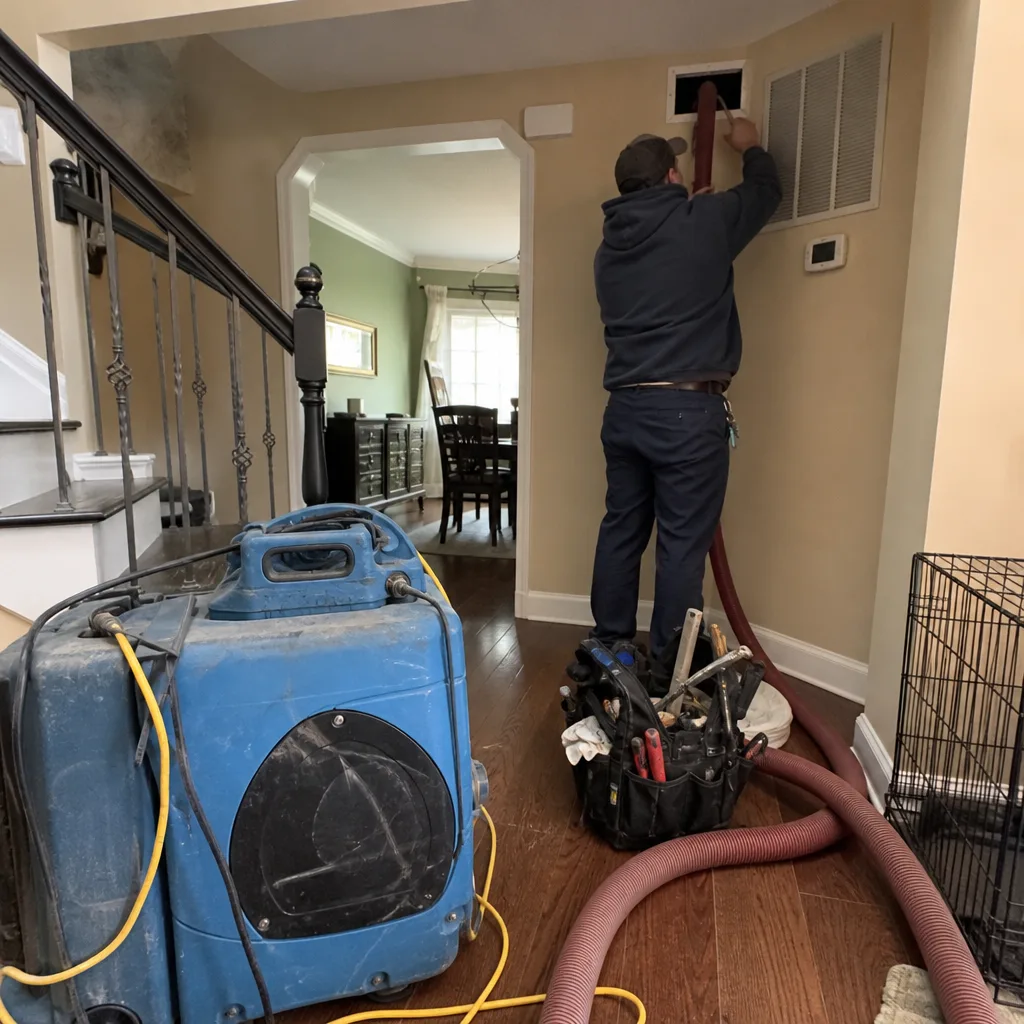 Before
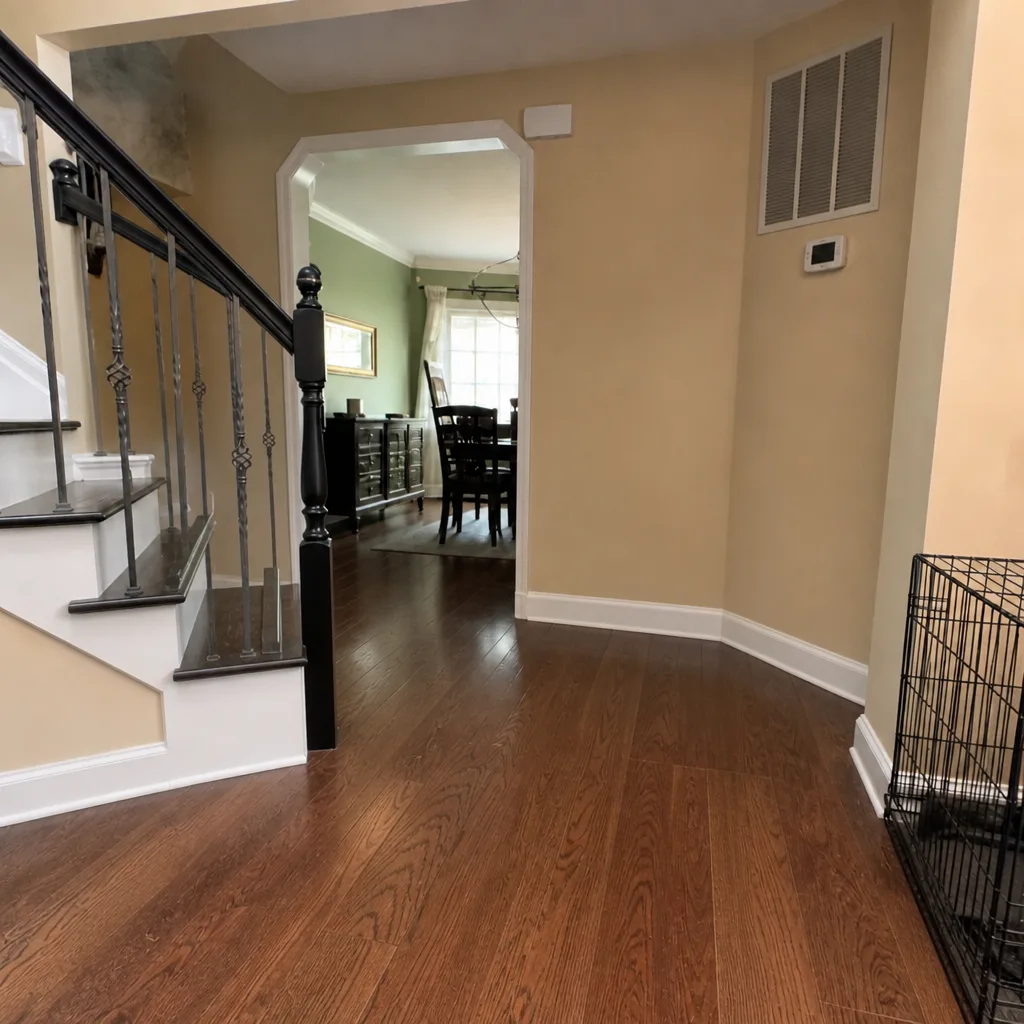 After
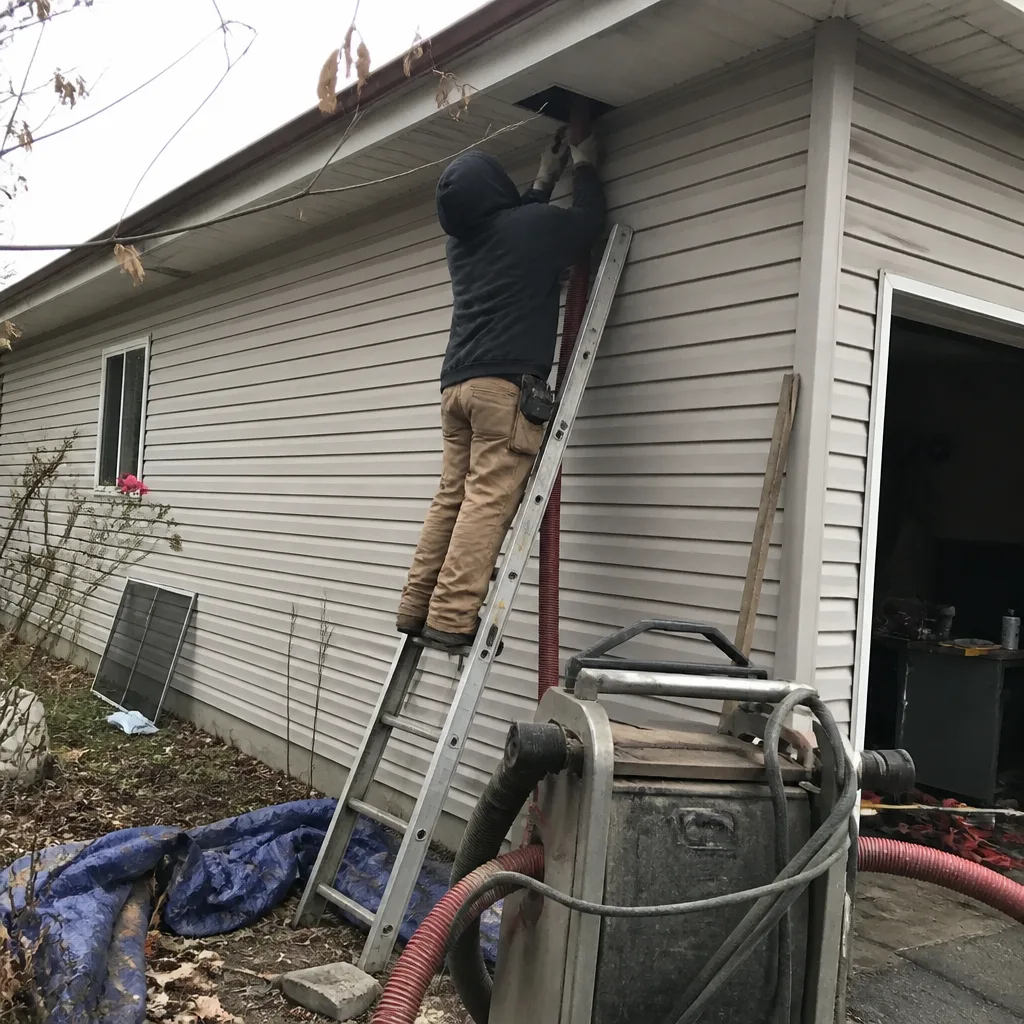 Before
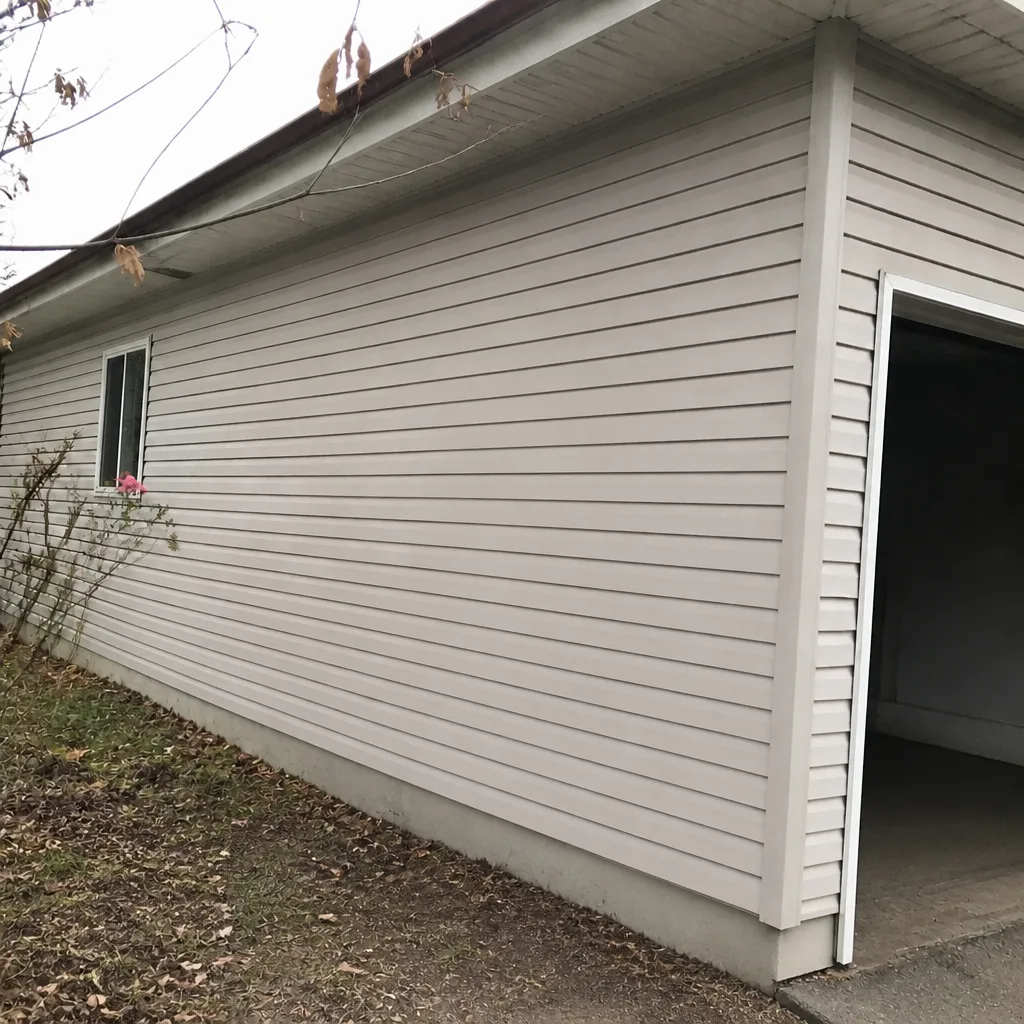 After
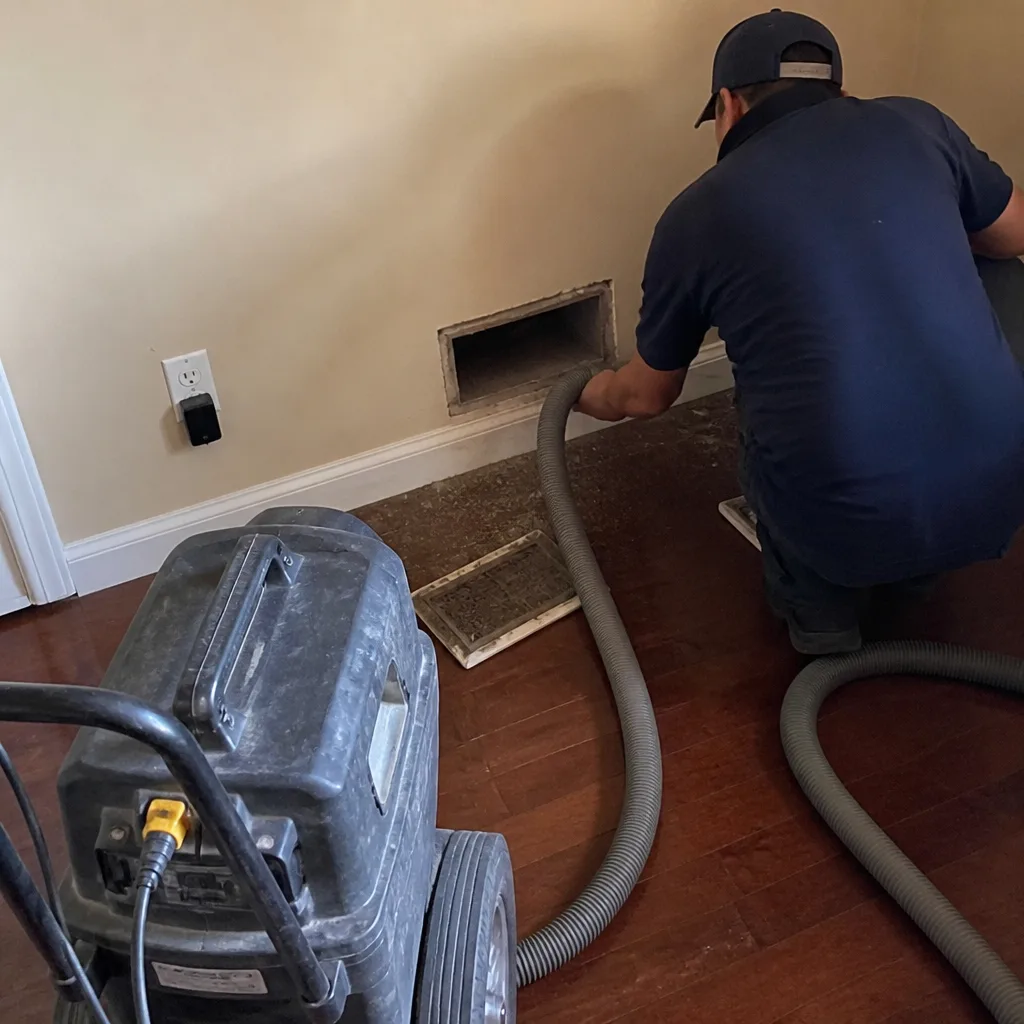 Before
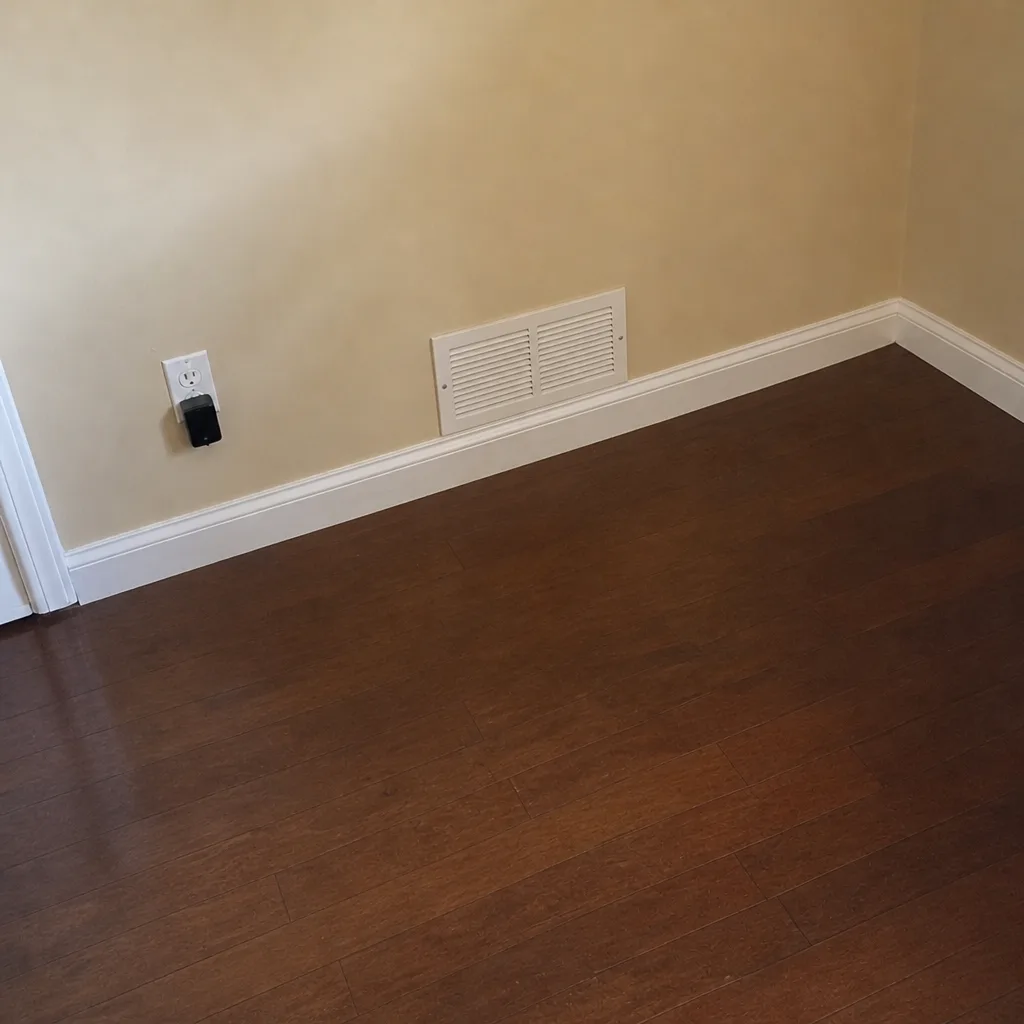 After
When to Call a Professional
If your ducts are visibly clogged at the registers, dust re-settles on surfaces within days of cleaning, or someone in the household is reacting to the air, it’s time for a professional assessment. If you’re buying a Concourse co-op or condo built before the 1990s and the seller can’t document prior duct or HVAC work, have the system inspected before close. If a home inspector or co-op board flags duct condition, don’t put off the pre-cleaning inspection. If you’re a landlord and a tenant has complained about air quality, having documented cleaning and inspection protects you.
Air Duct Cleaning Concourse offers free estimates in Concourse – call (855) 947-0512. We answer 24/7. Fast dispatch from 7am to 7pm, Sunday through Friday. One flat price per system agreed before work starts, before-and-after photos of your own ducts, and a written scope that tells you exactly which tasks are cleaning, which are repair, and which need a licensed mechanical contractor.
Frequently Asked Questions
No. Routine air duct cleaning is classified as maintenance in New York, not mechanical work, so no permit is required from the NYC Department of Buildings or from New York State. The permit question only comes up when the job crosses into sealing, duct replacement, liner installation, or antimicrobial application. Call (855) 947-0512 for a free estimate if you’re not sure which side of that line your job sits on.
It depends on scope. Small mastic touch-ups on accessible joints are usually treated as maintenance and don’t require a permit. Full-system sealing that changes the system’s air balance, or any job that involves installing or replacing duct sections, is mechanical work and generally does need a permit through NYC DOB and a licensed mechanical contractor. Get the scope in writing before you authorize the work.
Under New York State DEC rules, applying EPA-registered antimicrobial products for compensation generally requires a licensed pesticide applicator or supervision by one, depending on the product label and site. Not every antimicrobial is labeled for inside-duct application, so the product matters as much as the license. Ask which product is being used and who holds the license before the crew starts.
Because NYC runs its own mechanical code, contractor licensing rules, and DOB permitting process on top of state law. Work that’s governed only by state rules elsewhere in New York may also fall under NYC Department of Buildings jurisdiction here. Concourse co-ops and condos often add their own alteration agreements on top of the city process.
License number and type, certificate of insurance, written scope of work describing exactly what’s being done, permit copy and DOB filing number if the job crosses into mechanical work, product labels and safety data sheets for any antimicrobial or coating, and before-and-after photos. Keep a copy for your own records and, for co-op or condo owners, for the building’s alteration file.
No. Coatings and liners are construction materials with their own mechanical code requirements for flame-spread, smoke-developed rating, and installation. That’s licensed mechanical work, not cleaning scope. A duct cleaning contractor can recommend the work if the inspection finds damage, and should route it to a licensed mechanical contractor rather than performing it unlicensed.
The Bottom Line
Cleaning your ducts in Concourse is legally simple: it’s maintenance, no permit required. The complexity shows up the moment the work expands past cleaning – sealing, liner replacement, antimicrobial application, new duct runs, or duct coating. Each of those has a specific licensing requirement under New York law, and Concourse’s position within the Bronx means NYC code and DOB jurisdiction sit on top of state rules. Collect documentation before any work beyond cleaning starts. Ask which product is being applied and who’s licensed to apply it. And if a contractor can’t produce a license and certificate of insurance on request, pause the job. Cleaning scope is different from construction scope, and the correct approach treats them as separate tasks with separate paperwork.
Written by the team at Air Duct Cleaning Concourse.