
Last updated November 22, 2026
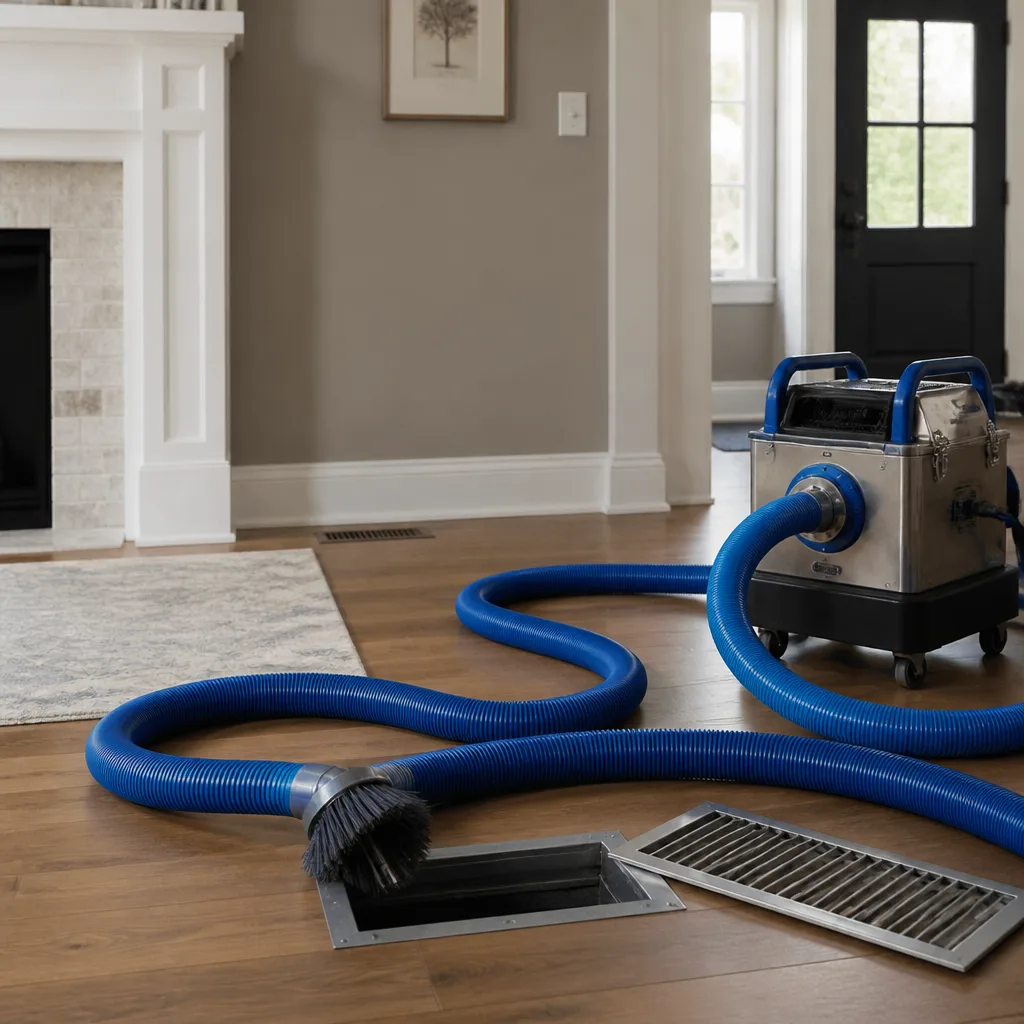 Whole-home duct cleaning
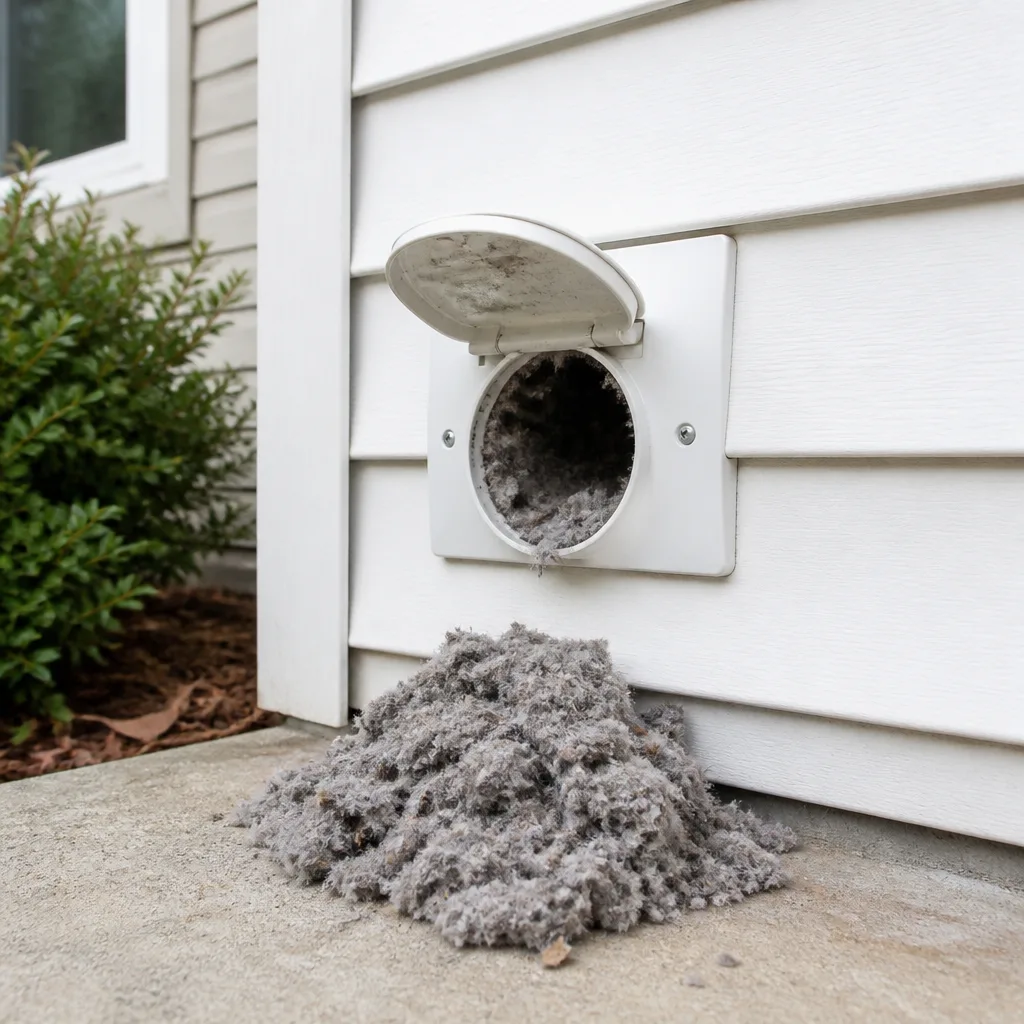 Dryer vent cleaning
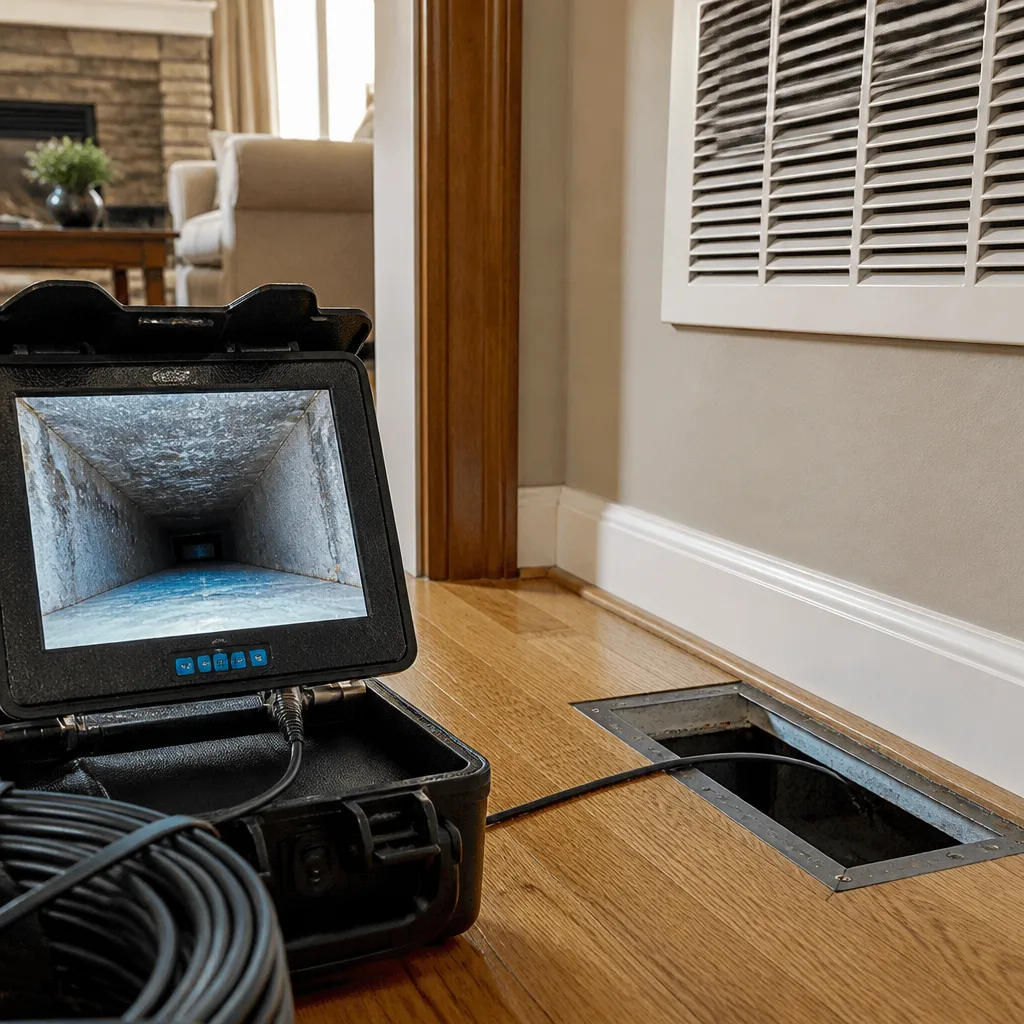 Camera inspection
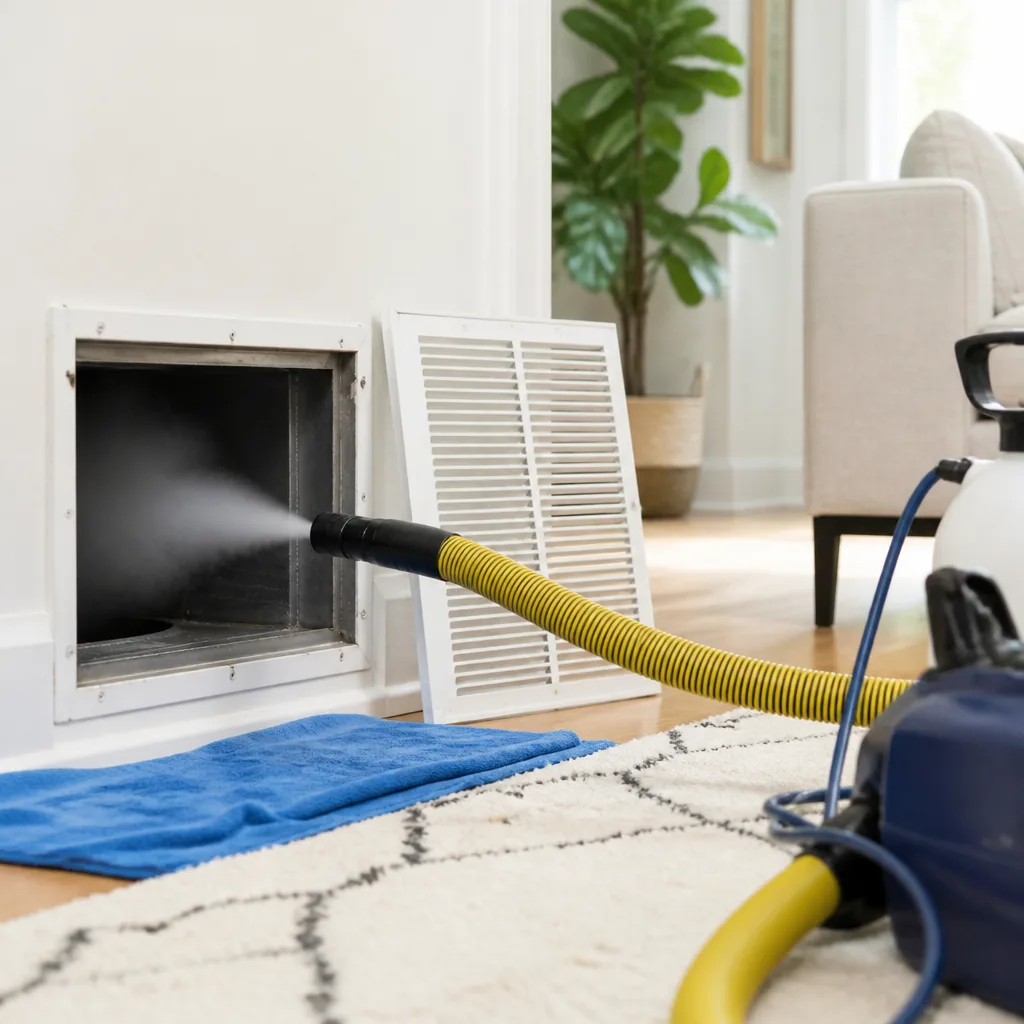 Sanitizing & deodorizing
Whole-system duct and dryer vent check with before-and-after photos - you see exactly what came out of your vents
That "$99 whole-house special" is a bait ad - the real number appears once they are in your hallway, or the "clean" is a shop-vac at the register. We photograph the inside of your ducts before and after instead.
Air Duct Cleaning Troubleshooting in Concourse: Common Problems and How to Fix Them
If your ducts were cleaned six months ago and you’re already seeing dust on the registers again, that isn’t a sign you need to clean more often. It’s a sign the original work missed the source zone, or that your system has a breach pulling contaminated air in from somewhere it shouldn’t. In our experience, most of what homeowners in Concourse try to troubleshoot with a flashlight and a vacuum isn’t a cleaning problem at all – it’s a symptom pointing upstream. This guide maps the specific symptoms you can observe to the mechanical and contamination causes behind them, so you can figure out whether you’re dealing with a collapsed flex run, a dirty evaporator coil, a loose register, or something that needs a real repair rather than another pass with a brush.
Quick Answer
Most air duct problems in Concourse come down to one of four root causes: a physical breach in the duct system, a mechanical blockage like a collapsed flex section or closed damper, moisture sitting somewhere it shouldn’t, or contamination that a previous cleaning never actually reached. The symptom tells you which category you’re in. Dust returning within weeks points to a supply-side breach. Musty smell points to moisture. Weak airflow points to a blockage or a dirty coil. Rattling or whistling points to loose hardware or internal damage. Fix the cause, not the symptom.
Styles & brands we work with
- Whole-home duct cleaning
- Dryer vent cleaning
- Camera inspection
- Sanitizing & deodorizing
Table of Contents
- Why dust comes back so fast after cleaning
- Low airflow after cleaning: collapsed duct, dirty coil, or blocked trunk
- What a musty smell after cleaning actually means
- The tissue test: confirming a supply-side breach
- Rattling and whistling: loose screws vs. internal damage
- When to hand off from cleaning to HVAC repair
- Common mistakes to avoid
- Frequently asked questions
Why dust comes back so fast after a duct cleaning in Concourse
Dust reappearing on registers within a few weeks of cleaning is almost never a frequency issue. A properly cleaned and sealed system should hold steady for a reasonable stretch of time. When it doesn’t, you’re looking at one of three causes, and each one gets diagnosed and fixed differently.
The first and most common cause is a supply-side breach. If any part of the return or supply ductwork runs through an unconditioned space like an attic or crawlspace, and there’s a gap, disconnected joint, or a run that was never properly mastic-sealed, the system pulls in unfiltered air from that space. In Concourse, where a lot of the older building stock has ductwork threading through tight interstitial spaces and semi-conditioned chases, these breaches are more common than homeowners expect. The dust you’re seeing on the register isn’t recirculated dust – it’s new dust entering downstream.
The second cause is incomplete cleaning of the source zone. If the previous crew cleaned the accessible trunk lines but skipped the branch runs feeding the registers you actually use, the debris in those branches keeps migrating out. This happens with consumer-grade equipment that can’t generate enough negative pressure or agitation to move compacted dust through a long branch run.
The third cause is a filter that’s either the wrong size, incorrectly seated, or too restrictive for the blower. A filter that doesn’t seal at the frame edges lets air bypass it entirely, so the system is effectively running unfiltered.
What separates a real Air Duct Cleaning Concourse inspection from a quick pass is that we look for the breach before we clean, not after. Cleaning a system with an open breach just gives you a clean system that gets dirty again on the next cycle. Sealing comes first.
Low airflow after cleaning: collapsed flex duct, dirty coil, or blocked main trunk
If airflow got worse after cleaning, or it was poor before and stayed poor, the cleaning either surfaced a mechanical problem or the cleaning was never the right fix. Three specific causes account for most of the weak-airflow calls in this part of Concourse, and you can narrow it down without tearing into the system.
Collapsed flex duct. Flexible duct runs are easy to kink, crush, or sag. When a run gets pinched – by a joist, a piece of stored equipment in the attic, or its own weight over time – the cross-section narrows and airflow to that register drops. You’ll typically notice it at one or two registers, not the whole house.
Dirty evaporator coil. The coil sits downstream of the filter and upstream of the supply plenum. When it’s fouled, airflow and cooling capacity both suffer, and no amount of duct cleaning fixes it. This is an HVAC cleaning and servicing issue, not a duct-cleaning issue. Coil condition is one of the first things a proper inspection checks.
Blocked or disconnected main trunk. A main trunk that has separated at a joint, dropped from a hanger, or filled with construction debris or a rodent nest will starve every downstream branch. You’ll see weak airflow at every register on that trunk, not just one.
Here’s how to narrow it down in order:
- Check airflow at every register and note whether the weak ones cluster on one side of the house or on one trunk.
- If the weak registers are isolated, suspect a collapsed or disconnected branch run.
- If the weak registers span an entire trunk, suspect the trunk itself or the plenum connection.
- If airflow is weak everywhere, suspect the coil, the blower, or the return side.
- Confirm with a visual inspection of the accessible flex runs and the air handler cabinet.
Airflow diagnostic calls after a cleaning usually trace back to a missed or misread mechanical issue. A technician with up to 15 years of experience can usually spot a collapsed flex run in minutes once they know where to look.
What a musty smell after duct cleaning actually means in Concourse
A musty smell that appears or persists after cleaning is a moisture signal, and moisture problems don’t resolve with more cleaning. What you’re smelling is biological growth, and it’s living somewhere with a water source. There are three distinct sources, and each one calls for a different response.
Residual moisture from the cleaning itself. Some cleaning methods introduce moisture, and if it wasn’t fully dried, you get a short-term damp smell. This usually clears within a few days. If it’s still there after a week, it’s not residual moisture.
Drain pan or condensate line issue. The air handler’s drain pan sits below the evaporator coil. If the pan is holding standing water, or the condensate drain is clogged and backing up, that moisture feeds biological growth right at the coil. You’ll often notice the smell strongest nearest the air handler. This is an HVAC cleaning and servicing item.
Mold regrowth inside the ductwork. If there was pre-existing growth on the duct interior that the cleaning didn’t fully remove – or if the system has an ongoing moisture problem that wasn’t addressed – the growth returns. This is where re-cleaning alone rarely works. You need to resolve the moisture source and then treat with a sanitizing protocol. Our air quality and sanitizing service uses Guardsman-brand products as a finishing treatment, but the moisture fix comes first. A sanitizer without a moisture fix just resets the clock.
For a broader look at what proper cleaning involves, see our air duct cleaning service page. The key distinction for musty smell is this: re-cleaning is the answer when the growth was never fully removed. Remediation is the answer when moisture is still present in the system. Getting that wrong wastes the second cleaning.
The tissue test: confirming a supply-side breach
The tissue test is the simplest way to confirm whether your duct system is pulling unfiltered air from an unconditioned space. It doesn’t require tools and it gives you a yes or no answer in a few minutes.
Here’s the procedure:
- Turn the system fan to “on” and let it run for a few minutes.
- Hold a single ply of tissue against the face of a supply register where you’ve noticed dust reappearing. It should pull toward the register and stay there.
- Now run the tissue along the visible joint where the register boot meets the duct, and along any accessible duct seams near the register.
- If the tissue flutters or gets pulled toward a seam rather than toward the register face, that seam is drawing air in.
- Repeat at registers nearest your air handler and at registers furthest away. A breach on the return side is often more obvious than a breach on the supply side.
A flutter at a seam is the signal. When a seam is pulling air in rather than pushing it out, that seam is a leak drawing from an adjacent space – which means your system is pulling air from that space instead of from the return.
In Concourse, homes with ductwork in unconditioned attics or crawlspaces are the most likely to show this. If the tissue test confirms a breach, the fix is duct repair and sealing – not another cleaning. Sealing a duct in a tight interstitial space is work most homeowners shouldn’t attempt themselves; a careful technician will mastic-seal the joints or replace the affected run so the system stops pulling contaminated air in the first place.
Rattling and whistling after cleaning: loose screws vs. internal damage
New noise after a duct cleaning is worth investigating because cleaning moves with real force, and anything that was marginal can loosen. The type of noise tells you which kind of problem you have, and some noise is a sign of internal damage rather than a loose register.
Rattling is usually hardware. A register screw that wasn’t fully tightened, a register face that’s vibrating against the drywall, or a piece of hardware sitting on top of a duct. It’s minor and easy to fix.
Whistling is almost always a velocity or restriction issue. A whistling register is typically pushing air through a smaller opening than it should be, which points to a partial blockage, a damper that’s partially closed, or a register that’s undersized for the branch feeding it. Whistling after cleaning sometimes means a damper got knocked out of its original position.
Flapping or thumping in a duct line can indicate dislodged internal turning vanes – the curved baffles inside a main trunk that redirect airflow. If one comes loose, you’ll hear it slap or rattle with each cycle. Turning vanes that come loose are internal damage, not a cleaning failure, but cleaning can dislodge one that was already marginal.
A disconnected flex section can produce a hiss or a rush of air in a wall cavity, attic, or crawlspace. If you hear air moving somewhere it shouldn’t, that’s the one to chase first.
The diagnostic sequence is straightforward. Find the noise, trace it back to the nearest register, then check the register screws and the register boot first. If the register hardware is tight and the register face sits flush, the noise is coming from inside the duct. At that point, an inspection of the affected run is the right next step.
When to hand off from cleaning to HVAC repair
One of the more useful skills in this trade is knowing where duct cleaning ends and HVAC repair begins. Getting that boundary right saves you money, because it stops you from paying for a cleaning pass that can’t possibly fix the problem.
These are cleaning-territory problems:
- Visible dust and debris buildup inside accessible ductwork.
- Dust reappearing from debris that was never fully removed.
- Odor from biological growth where the moisture source is already resolved.
- Loose register hardware.
- A supply-side breach that needs sealing or re-mastic.
These are HVAC-repair-territory problems:
- A dirty evaporator coil or blower wheel that needs cleaning or service.
- A failed blower motor or a control problem.
- A condensate drain issue that’s holding standing water.
- A collapsed flex run that needs replacing, not cleaning.
- Any electrical or gas-side problem at the air handler.
A few scenarios sit at the boundary. A collapsed flex run is a duct repair – our HVAC cleaning service covers component cleaning, and duct repair and sealing covers the ductwork itself. If the diagnostic shows both, the work gets done in the same visit rather than spanning two contractors. That’s why we offer cleaning, repair, sealing, and sanitizing as a set rather than as separate purchases. When an inspection turns up something we can’t trace to a duct cause, we’ll tell you so and point you to the right trade. Diagnosing the boundary correctly is the whole point of a real inspection.
Common mistakes to avoid
- Cleaning again before diagnosing. A second cleaning on a system with an open supply-side breach gives you the same result six weeks later. Find the cause first.
- Assuming dust means you need to clean more often. Dust returning fast is a system problem, not a frequency problem. More frequency without a fix just costs more.
- Treating a musty smell with sanitizing alone. Sanitizing without resolving the moisture source resets the clock and nothing else. Find the water first.
- Using the wrong filter to fix airflow. A higher-MERV filter on a system whose blower can’t handle it makes low airflow worse, not better. Match the filter to the system’s rated capacity.
- Ignoring noise because it’s “minor.” A loose turning vane rattling inside a main trunk will eventually cause more damage than the noise suggests. Chasing it early is cheaper.
- Not confirming the breach with the tissue test before paying for sealing. The tissue test is quick and free and gives you real evidence, which makes any conversation with a technician more useful.
- Handing the whole problem to a generalist who added ducts to a checklist. A collapsed flex run, a dirty coil, and a breached supply trunk are three different problems that need three different tools. Equipment matters here, and so does knowing which of the three you’re looking at before you start.
See the difference
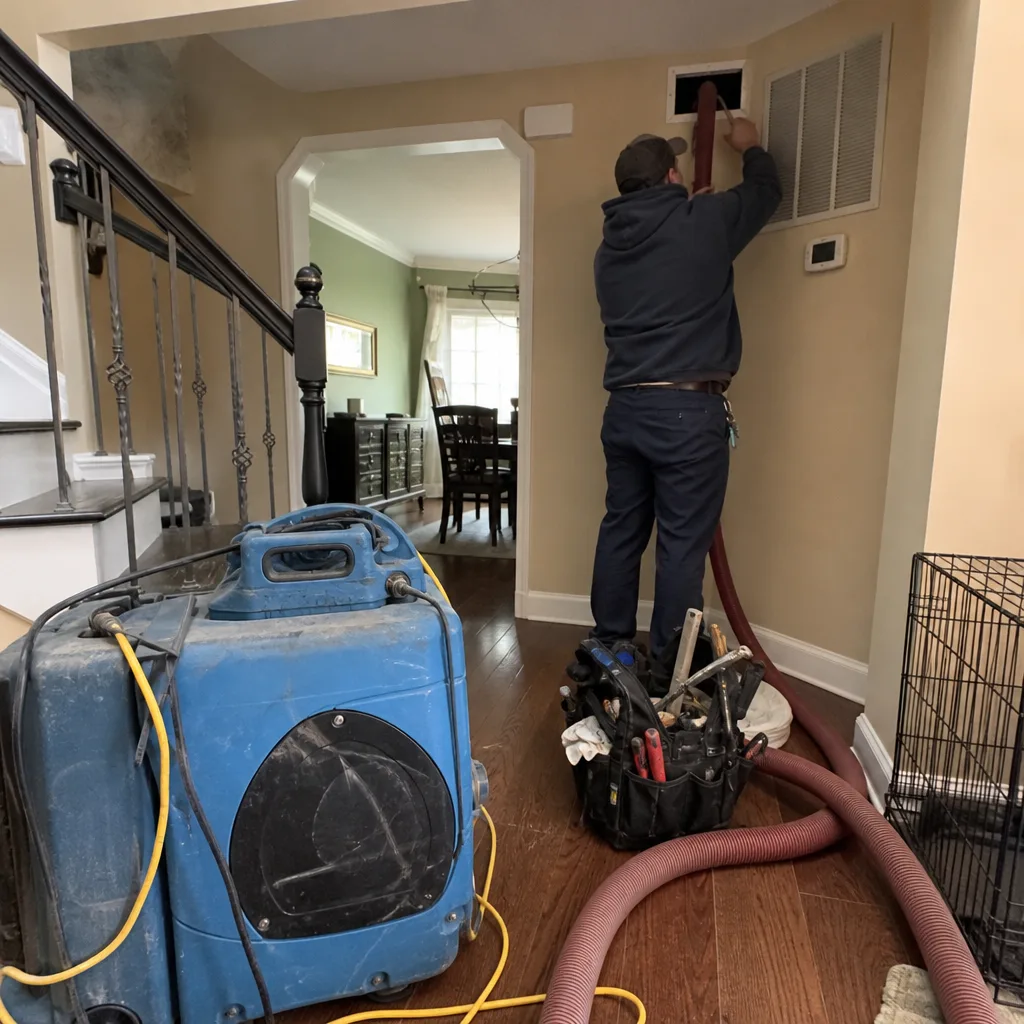 Before
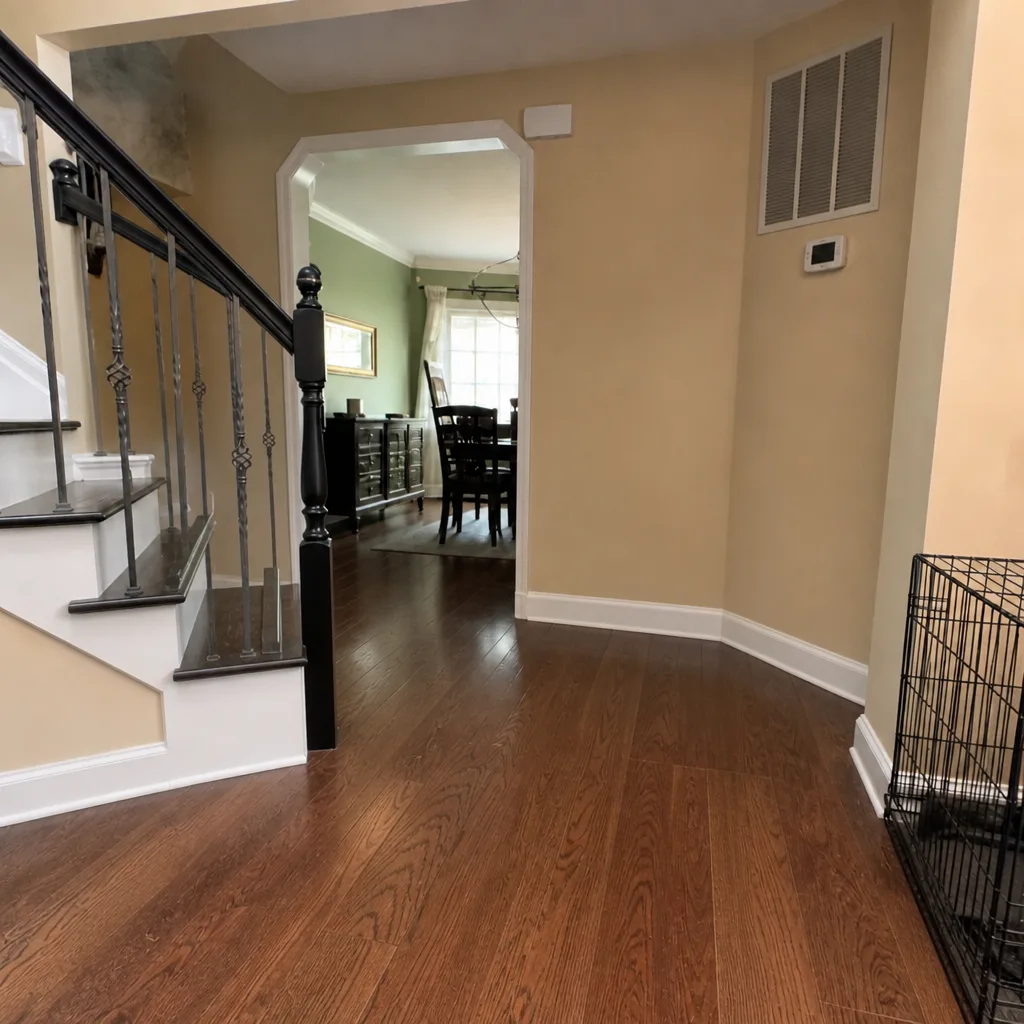 After
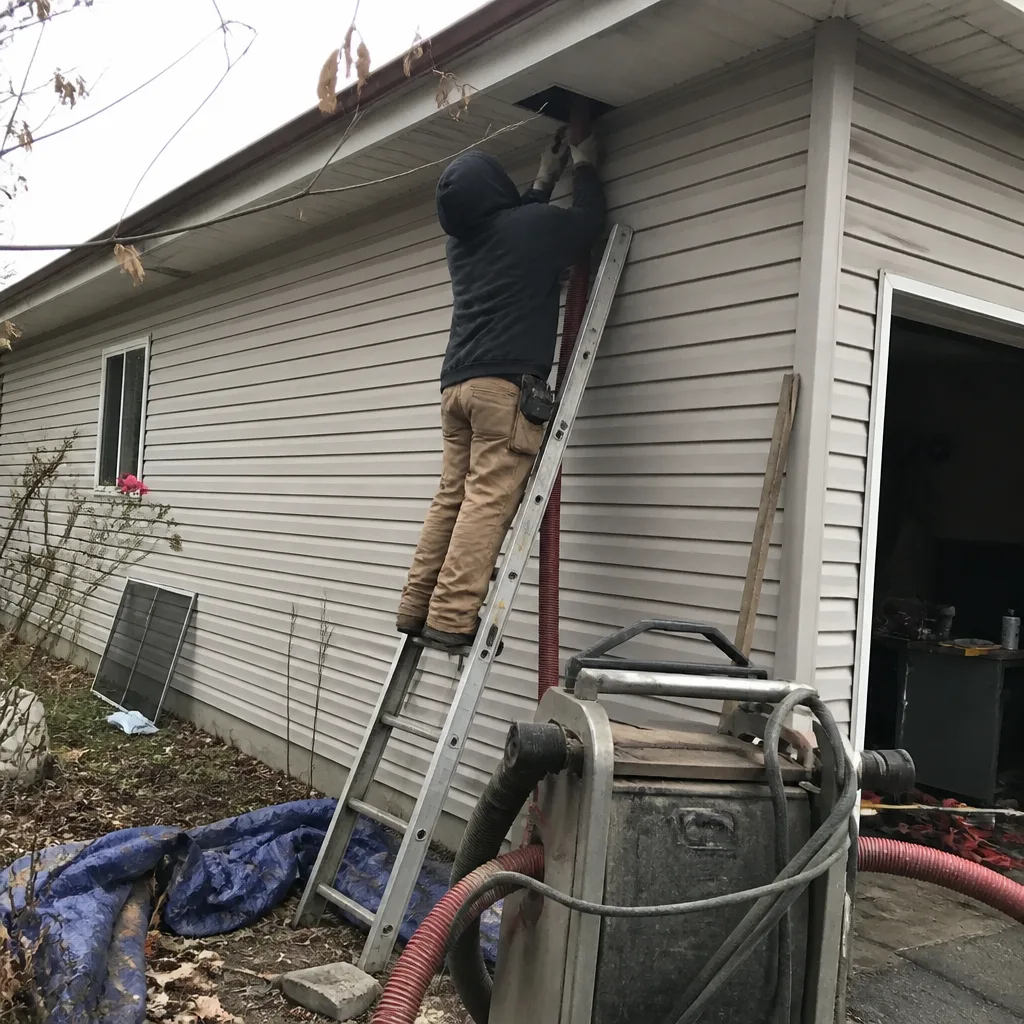 Before
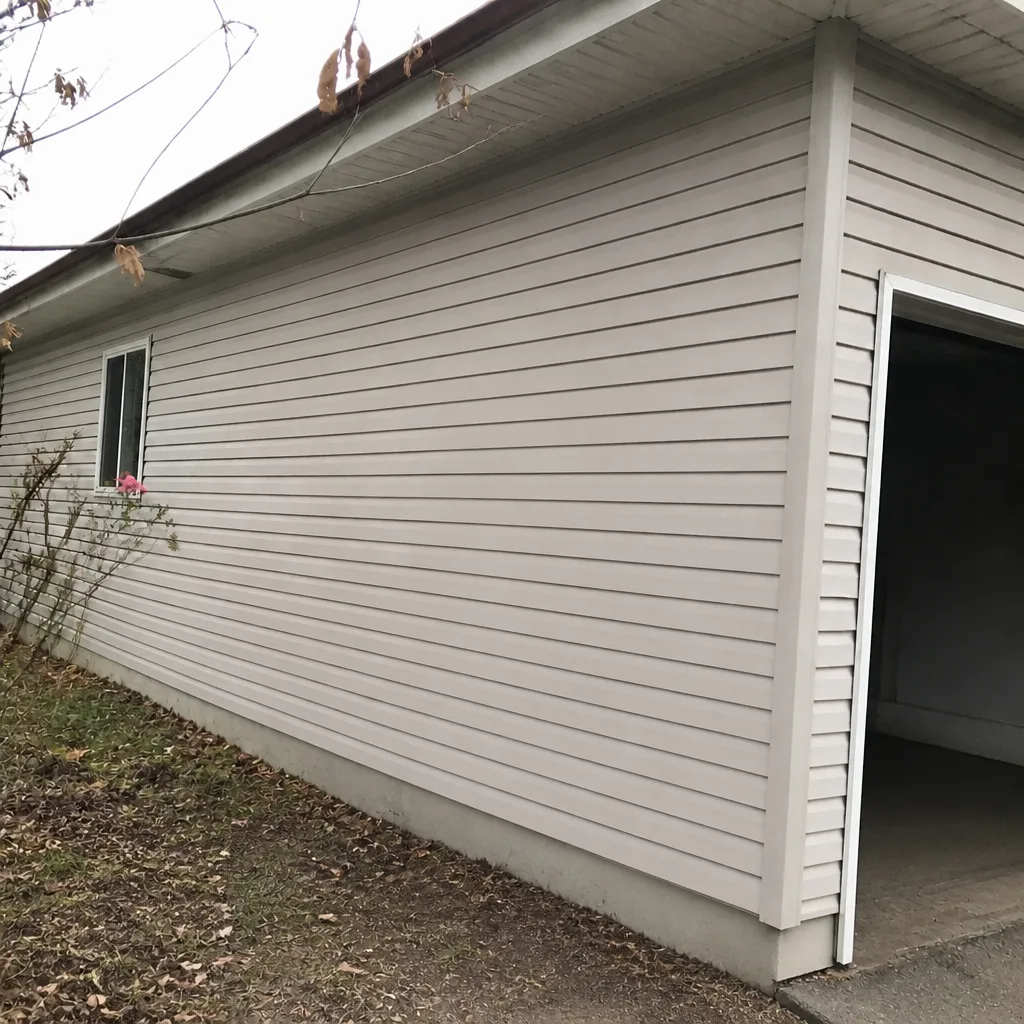 After
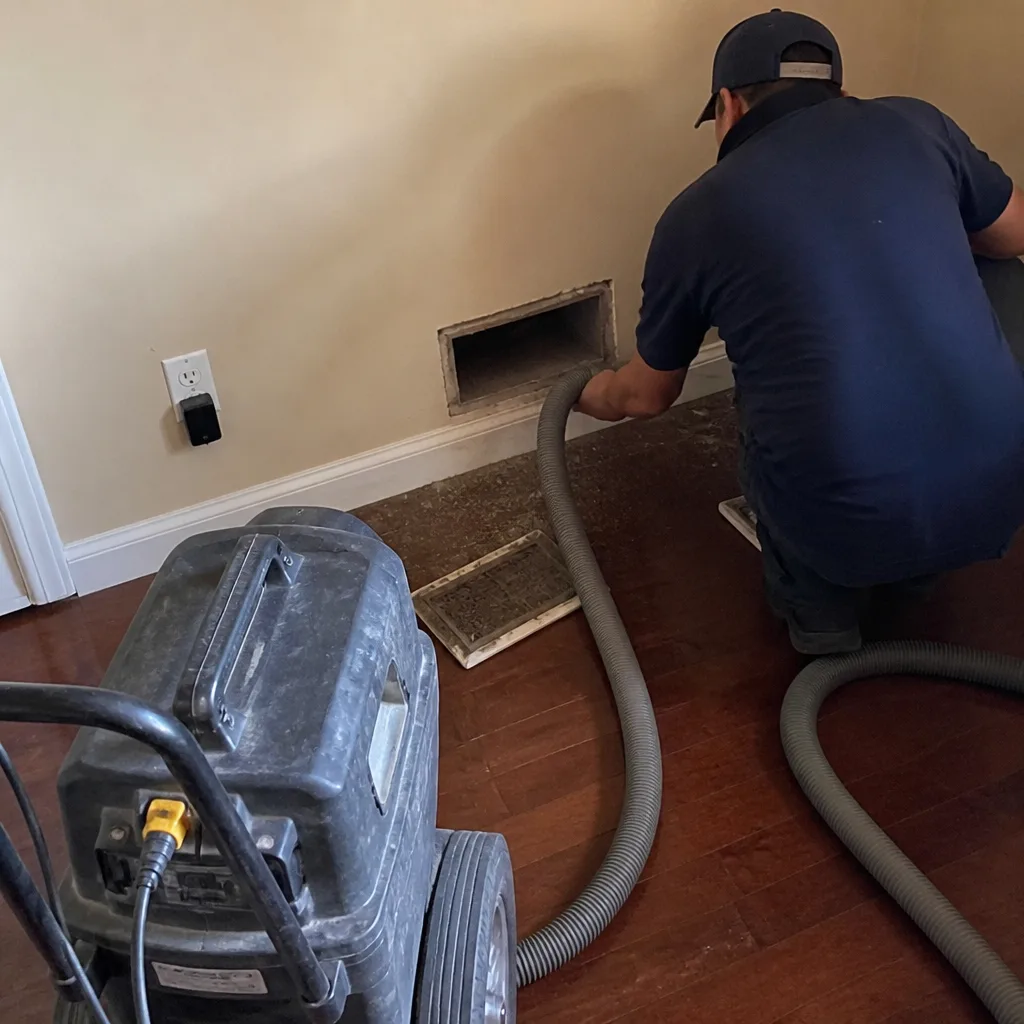 Before
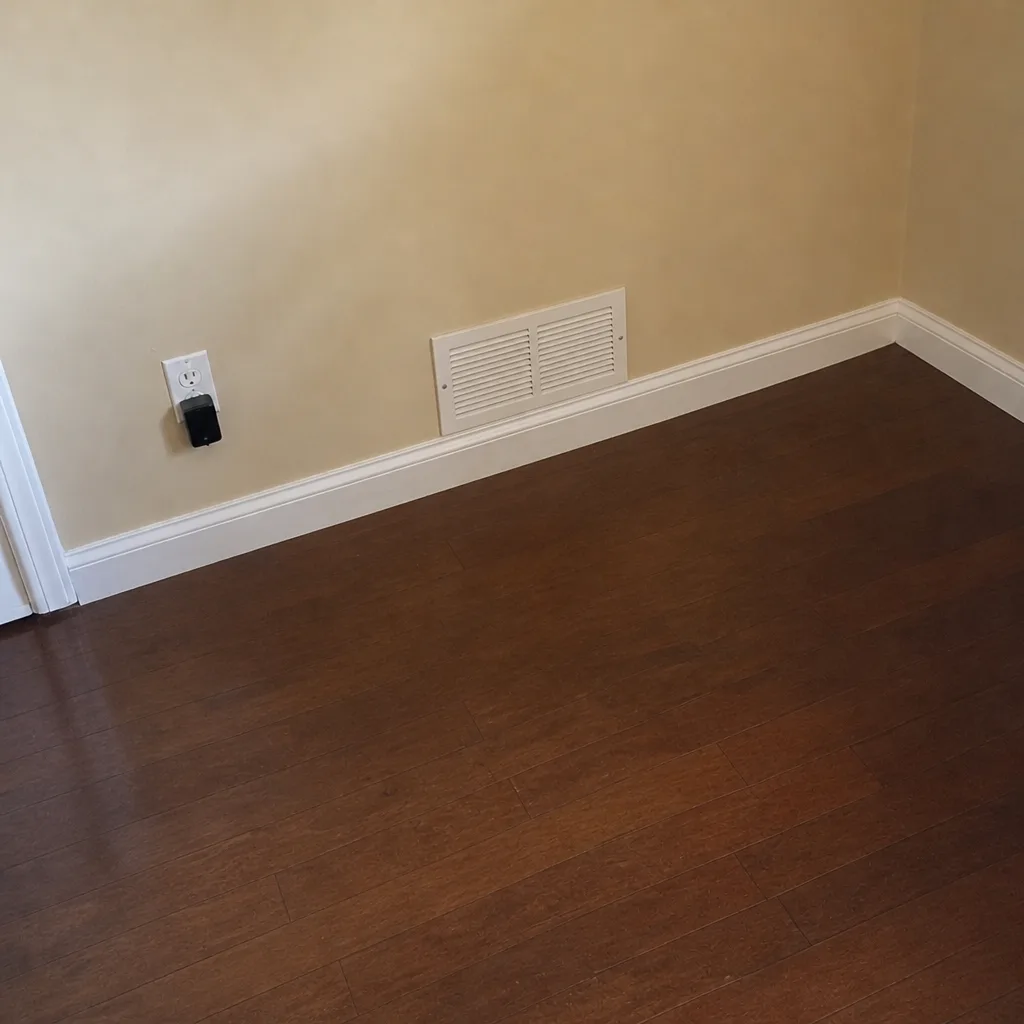 After
When to call a professional
Call a professional when the symptom persists after a reasonable amount of troubleshooting on your end, when the tissue test confirms a supply-side breach, when you smell musty air that doesn’t clear after several days, or when you see or hear signs of internal duct damage. Duct interiors in tight Concourse chases and older building stock are hard to inspect properly with a phone light, and a visual inspection from the right angle answers most of these questions quickly.
Our technicians have up to 15 years of experience reading exactly these symptoms, and we use professional-grade systems from Rotobrush and Nikro with Abatement Technologies filtration equipment to inspect and clean the full system rather than the accessible surfaces. We also handle dryer vent cleaning as a dedicated service, which is worth knowing if you’re already scheduling indoor air work. Air Duct Cleaning Concourse offers free estimates in Concourse – call (855) 947-0512. We answer 24/7. Fast dispatch from 7am to 7pm, Sunday through Friday.
Frequently asked questions
Because the cleaning almost certainly didn’t address the source, which in most cases is a supply-side breach pulling unfiltered air from an attic, crawlspace, or semi-conditioned chase rather than a frequency problem. The tissue test described above will confirm whether a breach is present, and duct repair and sealing is what fixes it. Call (855) 947-0512 for an exact quote – estimates are free.
Not necessarily. A short-lived damp smell can be residual moisture from the cleaning process, and it clears within a few days. If it persists beyond a week, it’s more likely to be an unresolved moisture source – a clogged condensate drain, a drain pan holding water, or pre-existing growth the cleaning didn’t fully remove. The fix depends on which of those three it is, so a proper diagnosis comes first. Call (855) 947-0512 for an exact quote – estimates are free.
It can appear to, but in almost every case the cleaning surfaced a mechanical problem that was already there – a collapsed flex run, a dirty evaporator coil, or a separated main trunk. None of those are caused by cleaning, and none of them can be fixed by cleaning again. The right step is an airflow diagnostic that checks branch runs, the coil, and the trunk in sequence. Call (855) 947-0512 for an exact quote – estimates are free.
Cleaning addresses debris and biological growth where the moisture source is already resolved. Repair addresses breaches, disconnected joints, collapsed flex sections, and loose internal components. The tissue test, the airflow pattern across registers, and the noise pattern each point toward one category or the other. When the findings overlap, the work is done in one visit rather than two. Call (855) 947-0512 for an exact quote – estimates are free.
Negative-pressure equipment with enough agitation to move compacted debris through long branch runs, plus filtration that captures particulates rather than blowing them back into the room. Our professional-grade systems from Rotobrush and Nikro, combined with Abatement Technologies filtration, are the same class of equipment used by commercial and remediation contractors. That capability is what lets an inspection find a breach, a collapsed run, or a dirty coil in the same visit. Call (855) 947-0512 for an exact quote – estimates are free.
Dryer vents have their own specific problem set, and lint buildup is a documented fire hazard rather than just a performance issue. A dryer that takes longer than it used to, gets hotter than it should, or shows lint accumulation around the vent termination is a sign the vent needs a dedicated cleaning rather than a quick pass. Our dryer vent cleaning is a standalone service for exactly that reason. Call (855) 947-0512 for an exact quote – estimates are free.
The Bottom Line
Nearly every duct problem a Concourse homeowner tries to troubleshoot through their own effort traces back to one of four root causes: a physical breach, a mechanical blockage, moisture, or contamination the previous cleaning never reached. The symptom tells you which. Dust returning in weeks means a breach. Weak airflow means a blockage or a dirty coil. Musty smell means moisture. Rattling or whistling means loose hardware or internal damage. Diagnose the cause first, then choose between cleaning, repair and sealing, or an HVAC-side fix. Getting that order right is what keeps a second cleaning from becoming a wasted spend, and it’s why we run a real inspection before any work starts.
Call (855) 947-0512 for a free estimate. We answer 24/7. Fast dispatch from 7am to 7pm, Sunday through Friday. Air Duct Cleaning Concourse provides air duct cleaning, dryer vent cleaning, HVAC cleaning, duct repair and sealing, and air quality and sanitizing throughout Concourse.
Written by the team at Air Duct Cleaning Concourse.