
Last updated November 22, 2026
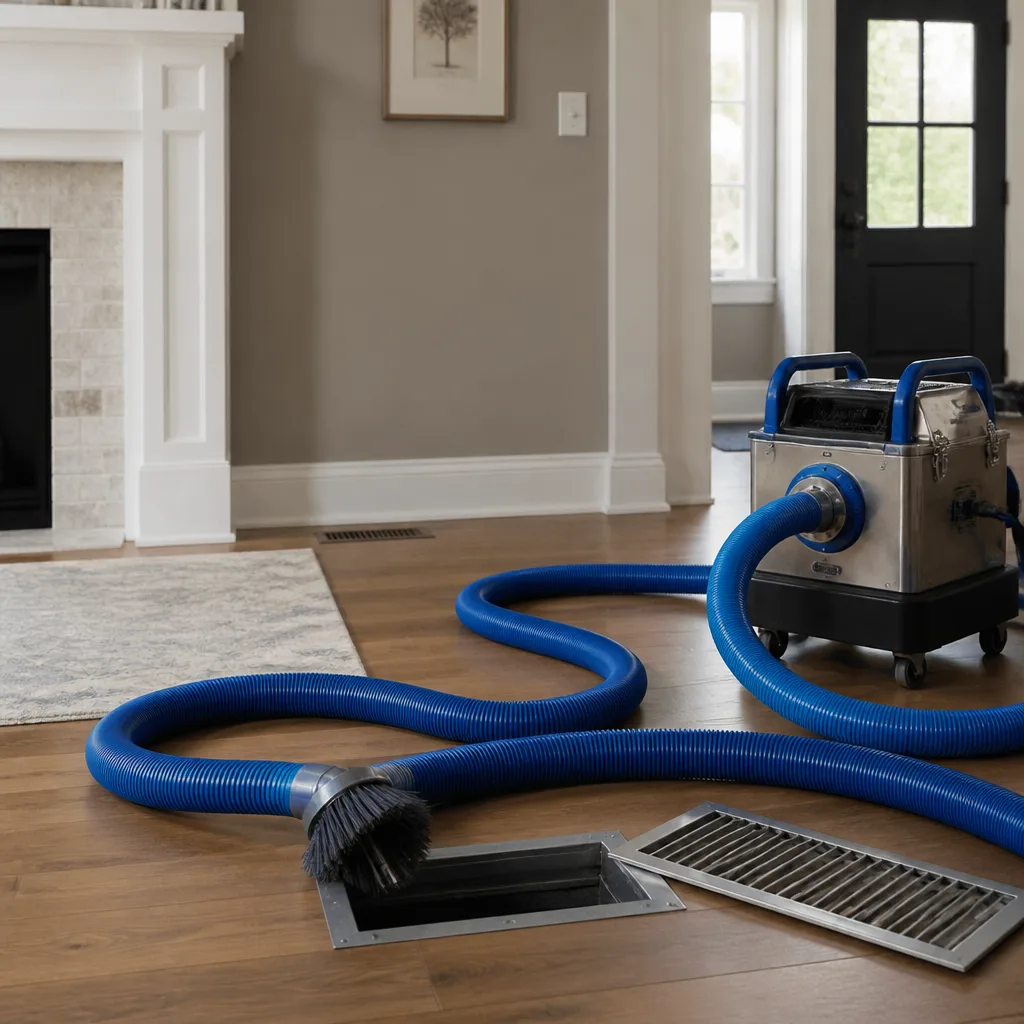 Whole-home duct cleaning
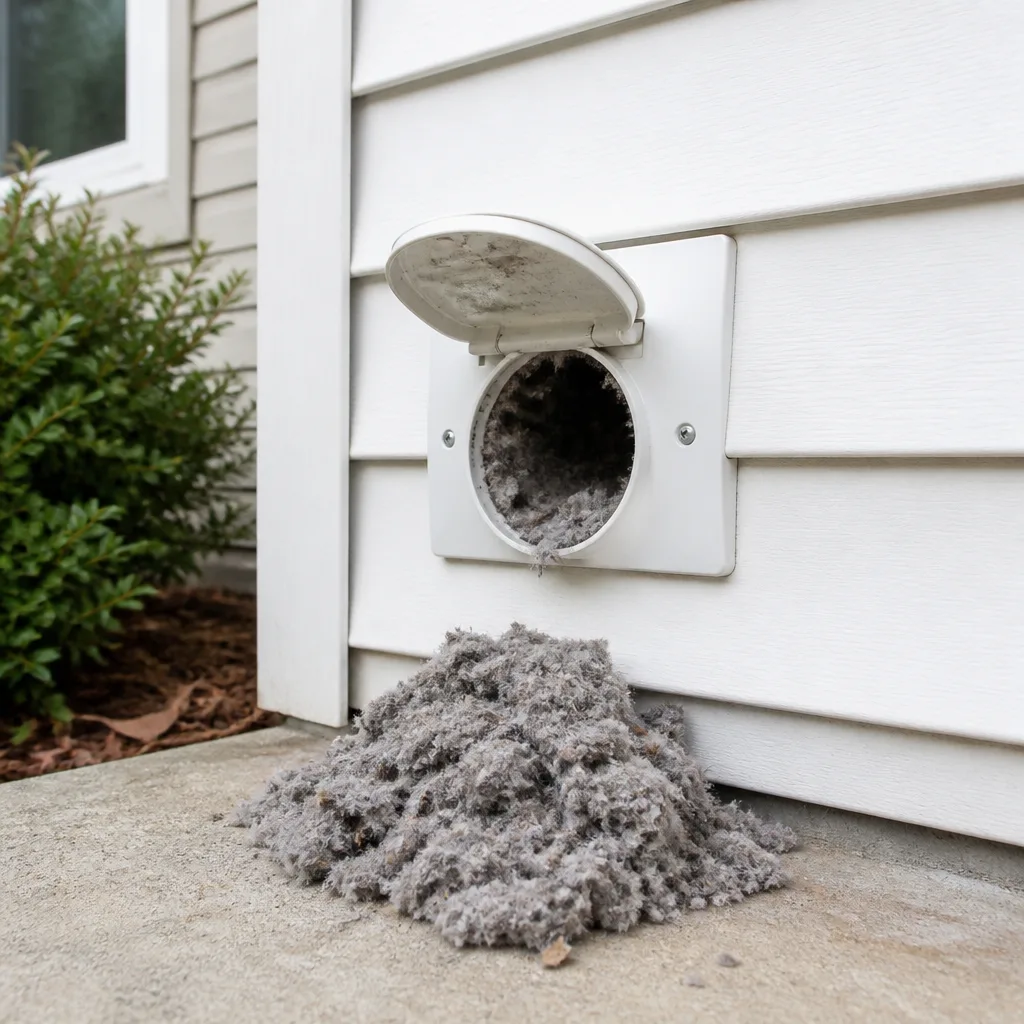 Dryer vent cleaning
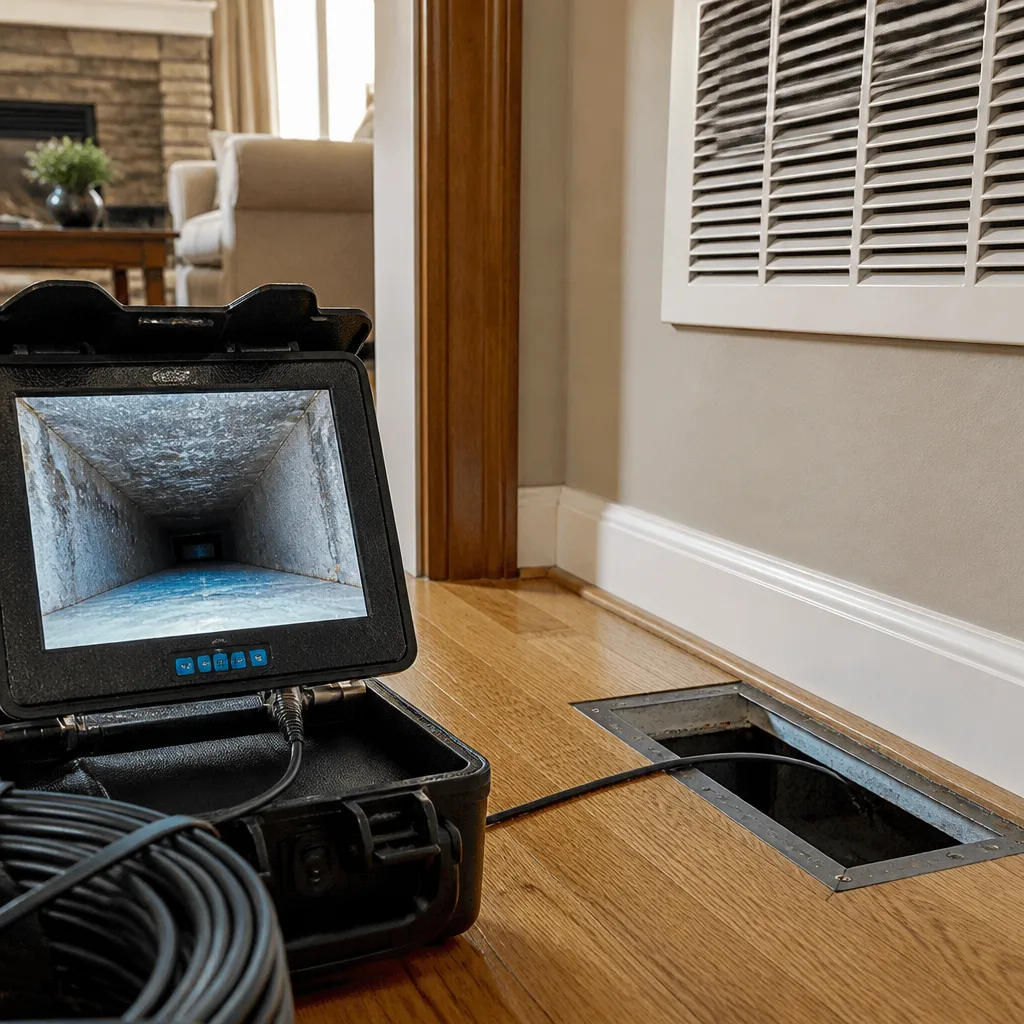 Camera inspection
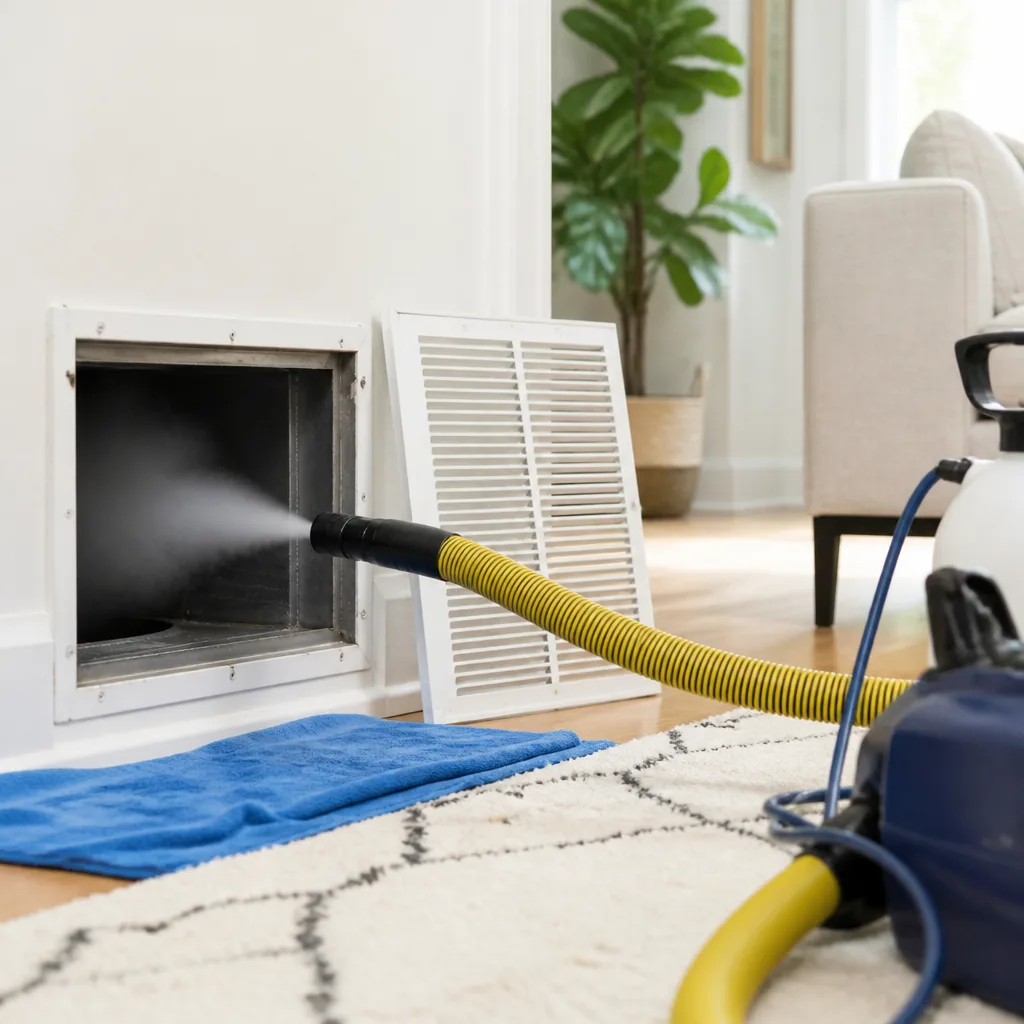 Sanitizing & deodorizing
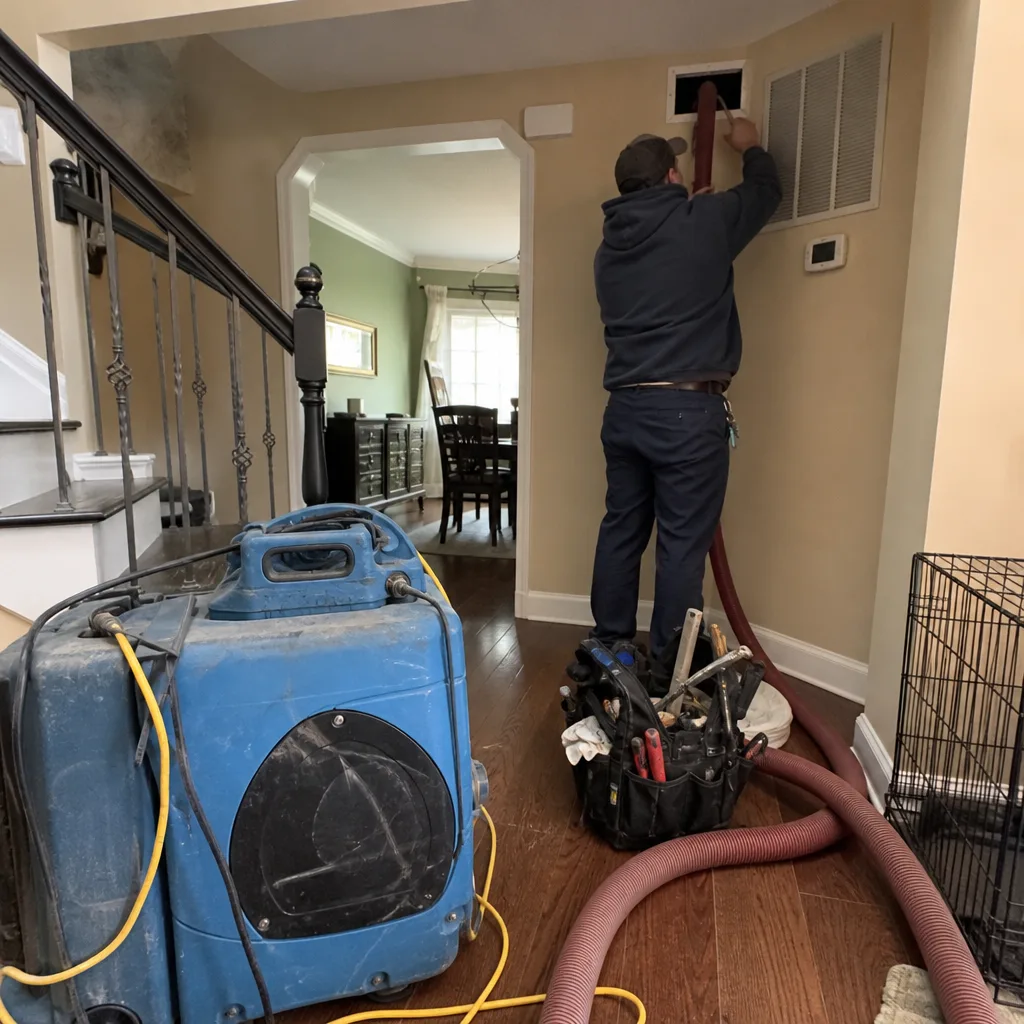
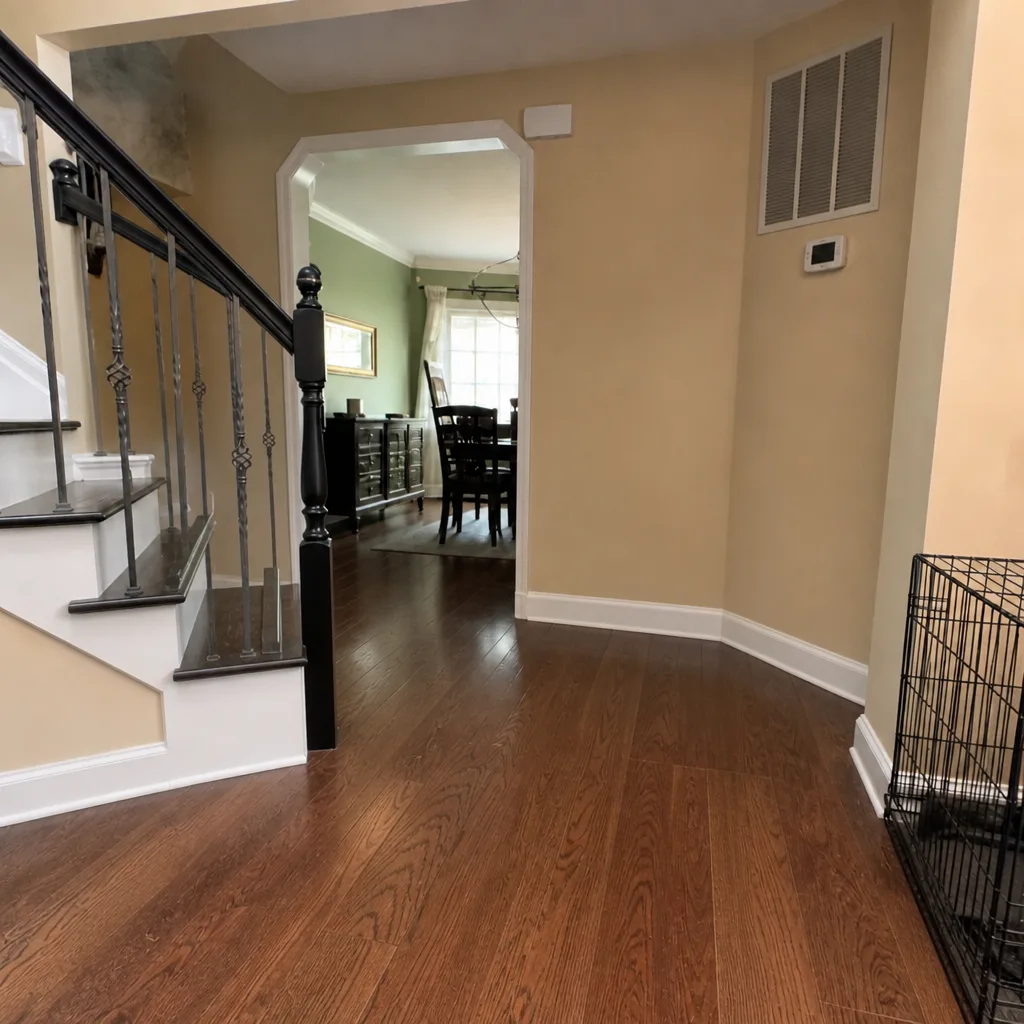
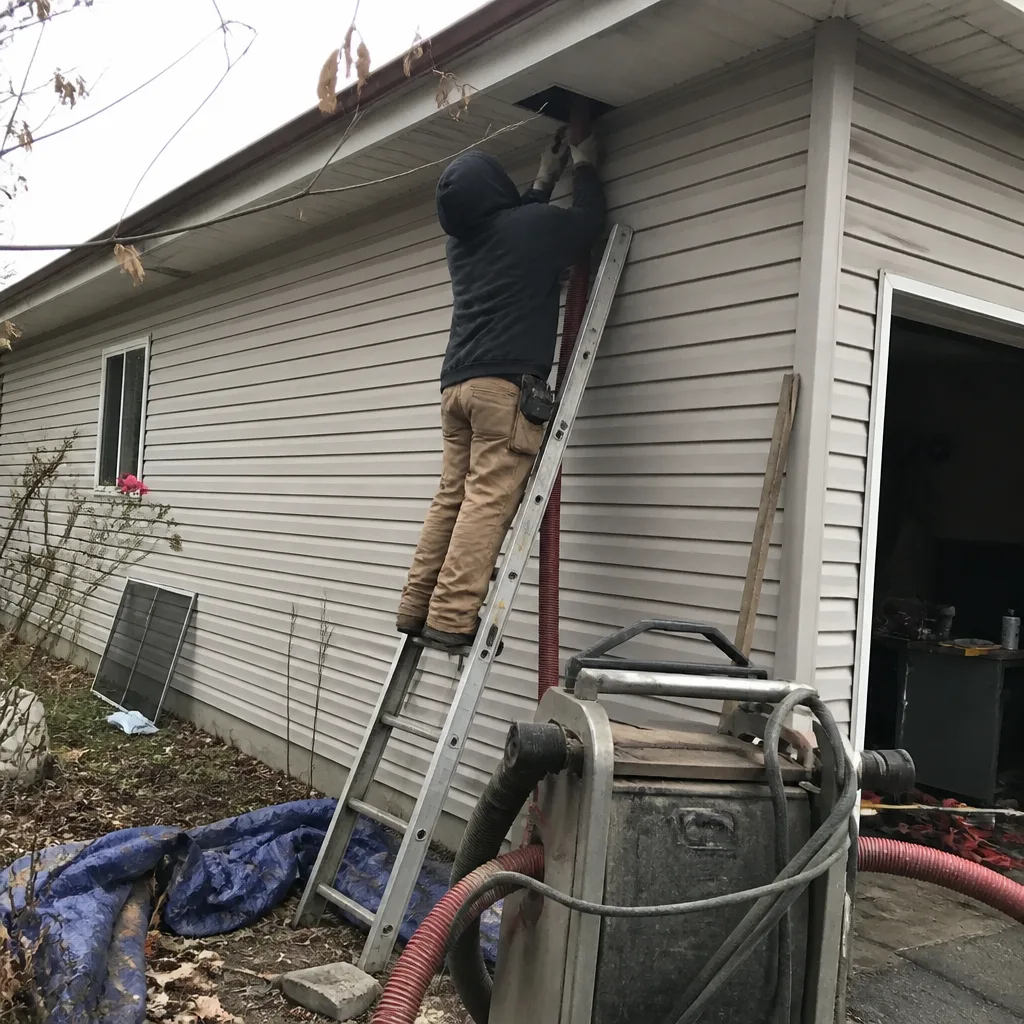
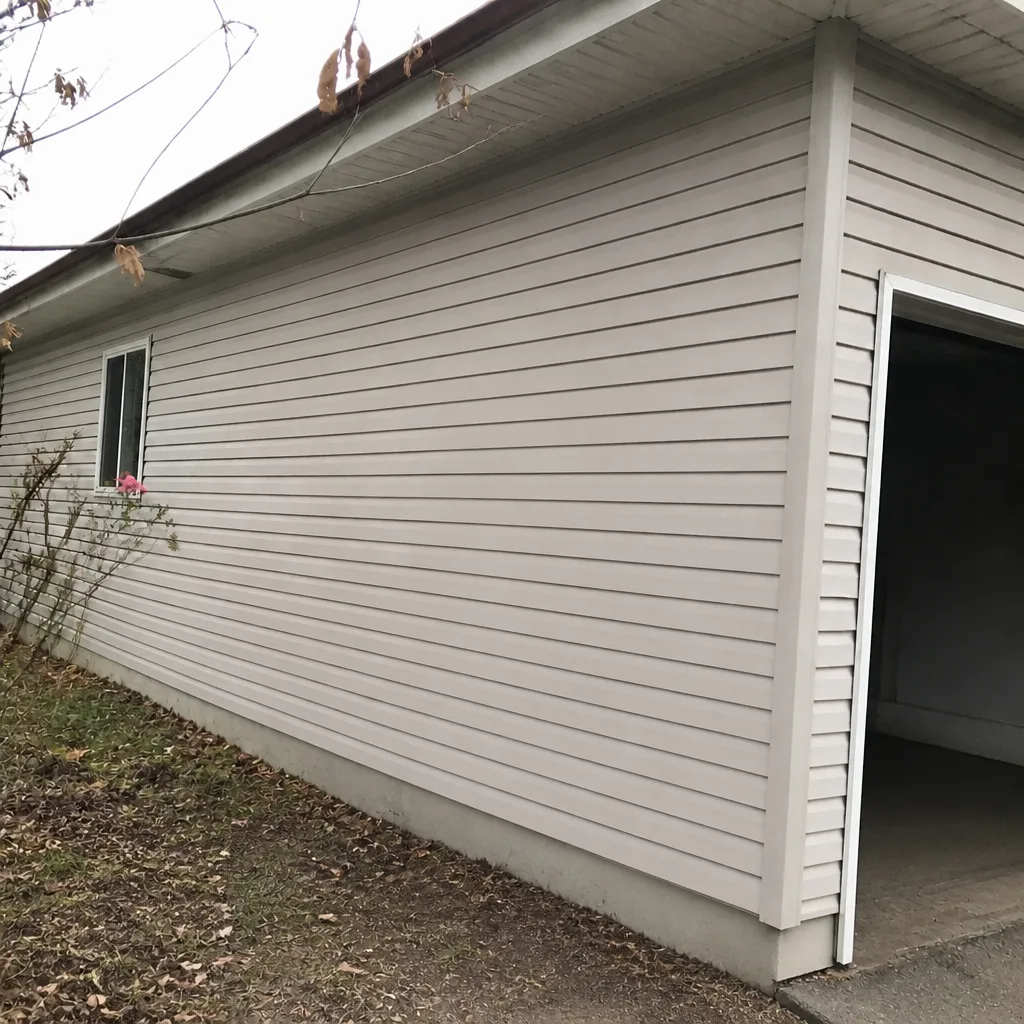
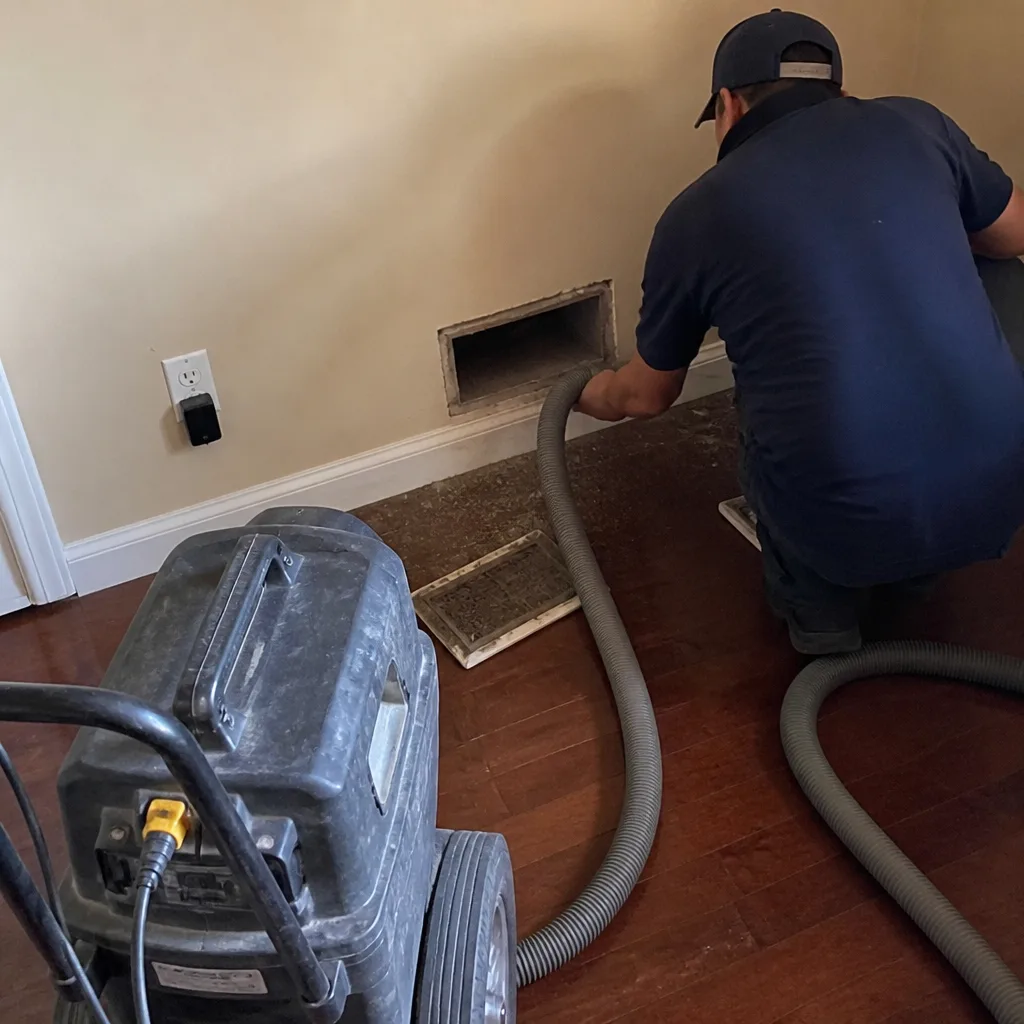
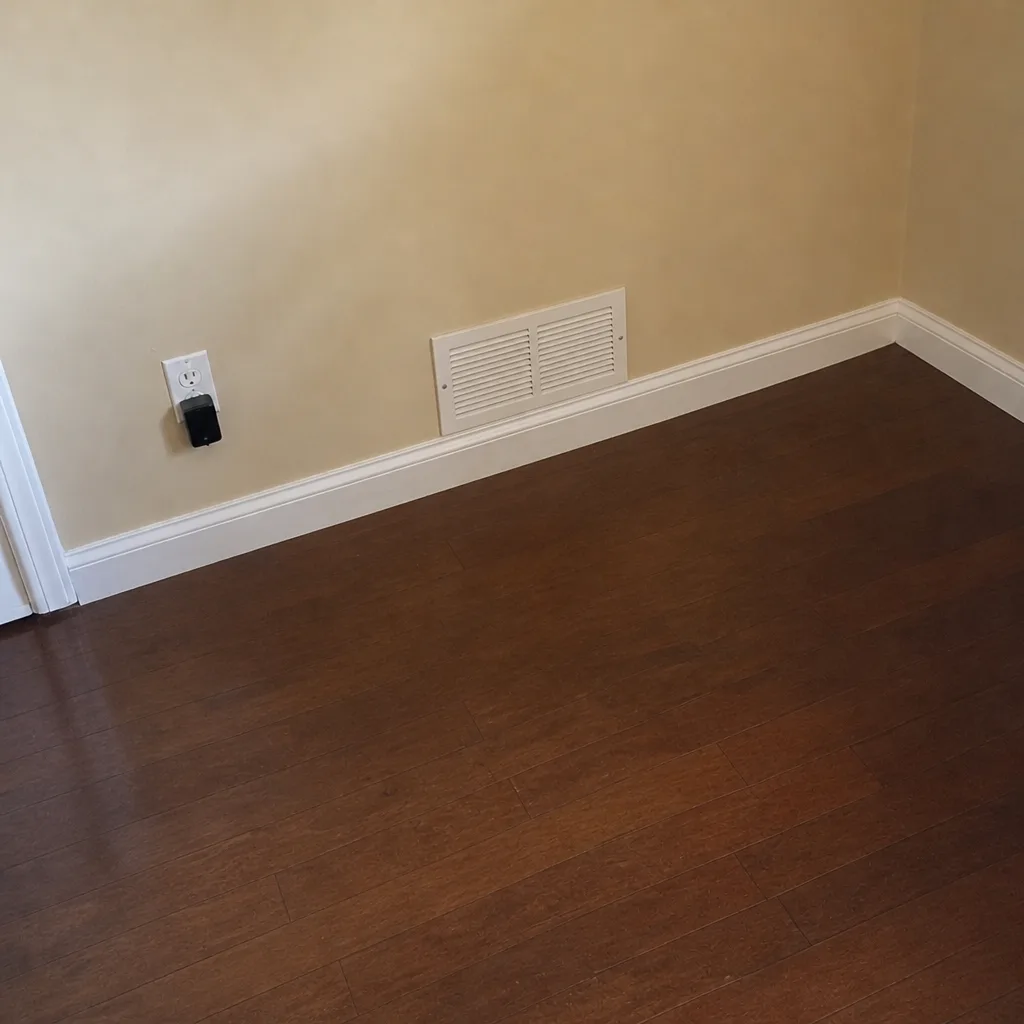
Whole-system duct and dryer vent check with before-and-after photos - you see exactly what came out of your vents
That "$99 whole-house special" is a bait ad - the real number appears once they are in your hallway, or the "clean" is a shop-vac at the register. We photograph the inside of your ducts before and after instead.
Air Duct Cleaning Emergency Preparedness Guide for Concourse Homes
After a kitchen fire, the instinct is to throw open the windows and crank the HVAC to clear the air. That’s backwards. Running the blower before anyone has looked inside the return plenum can pull smoke particulate and char debris out of the ducts and push it into every room in a Concourse home, often within about twenty minutes. The same logic applies after a flood, a sewage backup, or a heavy renovation: the duct system becomes a distribution network for whatever just contaminated the house. This guide maps the decision tree for each event, in the right sequence, so you clean up once instead of twice.
Quick Answer
After a fire, flood, sewage backup, or major renovation in a Concourse home, shut off the HVAC system first, then have the ductwork inspected before running the blower again. Duct cleaning handles smoke residue, settled dust, and surface contamination, but saturated insulation, mold growing on duct board, or debris inside the plenum may call for duct replacement or remediation instead. The order matters: containment and assessment come before cleaning, and cleaning comes before the system goes back into normal service.
Styles & brands we work with
- Whole-home duct cleaning
- Dryer vent cleaning
- Camera inspection
- Sanitizing & deodorizing
Table of Contents
- Post-Fire: What to Do With the Ducts Before You Run the HVAC
- Post-Flood and Water Intrusion: The 48-72 Hour Window
- Post-Renovation in Older Concourse Housing Stock
- Documenting Duct Contamination for an Insurance Claim
- The Order of Contractors After a Major Event
- Dryer Vent Fires: The Emergency You Can Prevent
- Getting the System Back Into Normal Service
Post-Fire: What to Do With the Ducts Before You Run the HVAC
Smoke moves through a house the way air moves: down pressure gradients, into return grilles, and through the duct system to rooms far from the fire. The visible damage may be confined to one kitchen, but the return plenum can be coated with fine soot and oily residue that will redistribute every time the blower kicks on. That’s why the first move after any fire, even a small one, is to shut the system off at the thermostat and leave it off until someone has inspected the ductwork from the inside.
A proper smoke odor inspection is not a sniff test at the supply registers. It looks inside the return plenum, the main trunk, and the branch runs feeding the affected rooms. What that inspection reveals determines the right response:
- Dry soot and light residue on metal ductwork: cleanable with professional agitation and negative-pressure equipment. In our experience, this is the most common outcome in Concourse homes with hard-ducted systems.
- Oily, sticky residue from a grease fire: requires a degreasing step before mechanical cleaning, or the soot resmears as the brush passes.
- Saturated flex duct or duct board insulation: smoke penetrates the porous liner and cannot be cleaned out. Replacement is the correct call, not cleaning.
- Char or structural damage inside the plenum: stop and involve a licensed HVAC contractor before any cleaning begins.
Cleaning alone is insufficient when the contamination has soaked into porous materials or when the fire produced enough heat to compromise duct seams. In those cases, air duct cleaning addresses the metal runs, but the damaged sections need replacement. What you don’t want is a crew that cleans, leaves, and lets the blower push residual odor back through the house a week later. One system, one scope of work, from inspection through repair and sanitizing, is the cleaner path.
Post-Flood and Water Intrusion: The 48-72 Hour Window
Water inside ductwork starts a clock. Mold spores that are already present in household dust can germinate on wet duct liner, insulation, or pooled water inside a low run within roughly 48 to 72 hours. After that window, cleaning without addressing the moisture source just spreads spores around. This is the part most homeowners get wrong: they dry the basement, replace the drywall, and never look inside the ducts.
Moisture readings inside the duct system tell you how urgent the problem is. A professional assessment measures the duct interior and the surrounding structure; elevated readings that don’t drop after drying indicate active moisture intrusion, not just residual dampness. If readings stay high past the drying period, the ducts may need to come out and the source found before anything new goes back in.
Drying and cleaning are two different jobs, done in that order:
- Stop the water source. No amount of drying works while a supply line, roof leak, or sump failure keeps feeding moisture in.
- Dry the structure and the duct system. Air movers and dehumidification bring moisture readings down. This is remediation work.
- Assess for mold growth. Visual inspection plus air quality readings inside the duct determine whether the system needs remediation-grade treatment.
- Clean and sanitize. Once dry, mechanical cleaning removes settled spores and debris, and sanitizing treats the surfaces that remain.
In our experience, the floods that cause the worst duct contamination in Concourse are the slow ones: a washing machine supply line that drips for weeks, a basement that takes on water every heavy rain. By the time the smell shows up, mold has had its window. If you’re dealing with water intrusion, treat the ducts as part of the building envelope, not an afterthought. For more on what cleaning covers versus what remediation covers, see our air duct cleaning services overview.
Post-Renovation in Older Concourse Housing Stock
Renovation dust is not the same as household dust. Cutting, sanding, and demolition generate fine particulate that settles into every return grille and duct run, and in older Concourse housing stock, that particulate can carry more than drywall dust. Homes built before 1978 may have lead paint on trim and doors, and ductwork from that era may include asbestos-containing materials in the wrap, sealant, or duct board on some runs. That changes the cleaning method, not just the schedule.
Before any cleaning starts after a renovation, the contractor should know the era of the house and whether asbestos or lead has been identified. Dry mechanical brushing on friable asbestos-containing material or on lead paint dust is the wrong approach; it aerosolizes the hazard instead of removing it. The right method depends on what’s present:
- Lead paint dust present: HEPA-filtered negative-pressure equipment and wet methods to keep dust from going airborne, with containment at the work area.
- Asbestos-containing materials suspected: testing and abatement by a licensed abatement contractor before duct cleaning touches the affected runs.
- No hazardous materials identified: standard professional agitation and HEPA vacuuming, with the system under negative pressure so dust doesn’t migrate into living space.
This is where equipment quality matters. A shop-vac and a brush won’t hold containment; the debris just goes back into the air. We run Rotobrush and Nikro systems along with Abatement Technologies air filtration equipment, which is the same class of gear used by remediation contractors. That level of filtration is what keeps renovation particulate inside the work zone instead of settling on your furniture two rooms over. For a deeper look at what a full system cleaning involves, our HVAC cleaning page walks through the components.
Documenting Duct Contamination for an Insurance Claim
Insurance adjusters approve what they can see in a file. A claim for post-emergency duct cleaning or remediation needs evidence that the ducts are contaminated and that cleaning is the reasonable remedy, not just a homeowner’s hunch. The strongest claims have three layers: photographic documentation, air quality readings, and a written contractor assessment.
Here’s what to gather, ideally before any cleaning begins:
- Before photos of the source event. Fire damage, water lines, sewage backup, or renovation debris, plus the visible soot or staining at registers and grilles.
- Interior photos of the ductwork. A camera run inside the return plenum and main trunk, showing residue, moisture, or visible mold growth.
- Air quality readings. Particulate counts and moisture readings taken before cleaning and, if the claim covers verification, after.
- A written contractor assessment. The scope of work, findings, and a statement of why cleaning or replacement is required. This is the document adjusters rely on most.
- The remediation report, if a mold remediation contractor is involved, tying the duct findings to the water event.
One practical note: a claim file is stronger when the documentation is created by the right party in the right order. A duct cleaner’s report on mold remediation is weaker than a remediation contractor’s report followed by a duct cleaning scope. Sequence matters for the claim as much as for the work. We can work with your insurer and provide the inspection findings and photos a claim needs, though the adjuster makes the coverage decision.
The Order of Contractors After a Major Event
The most expensive mistake after a fire, flood, or sewage backup is calling contractors in the wrong order. Each trade’s work creates conditions for the next, and skipping a step means paying someone to redo work. The correct sequence, in general terms:
- The remediation contractor comes first after water, sewage, or mold. Drying, extraction, and any abatement happen before ducts are cleaned, because cleaning wet ducts just spreads moisture and spores.
- The HVAC inspection comes next when the system itself may have been affected by fire, heat, or water. A licensed HVAC contractor confirms the blower, coils, and plenum are safe to operate.
- Duct cleaning and sealing follow once the structure is dry and the system is confirmed operable. Cleaning before remediation means recontamination; cleaning after the system fails inspection means wasted work.
- Air quality treatment and verification close the job, with readings and a final report for the claim file.
What complicates this in Concourse is that remediation, HVAC, and duct cleaning are often handled by different companies, and each one has an incentive to declare its job done. The homeowner ends up coordinating. That’s part of why we handle duct repair and sealing as well as cleaning: if the inspection finds a disconnected joint or crushed flex run, we repair it on the same visit instead of handing you a second contractor to schedule. Duct cleaning after an emergency is not a one-trade job, and the fewer handoffs, the fewer gaps.
Dryer Vent Fires: The Emergency You Can Prevent
Most of this guide is about responding to an event. Dryer vent fires are the one hazard you can head off before anything happens, and in older Concourse homes with long or twisting vent runs, the buildup risk is real. Lint accumulates in the vent, reduces airflow, and can ignite from the heat of a normal drying cycle. This is a documented household fire hazard, and it’s the reason dryer vent cleaning is a dedicated service for us, not an add-on squeezed into a duct cleaning visit.
Warning signs that a vent needs attention now:
- Clothes take noticeably longer than usual to dry, or feel hot at the end of a cycle.
- The dryer itself gets hot to the touch during operation.
- Lint is visible around the outside vent flap, or the flap doesn’t open fully.
- A musty or burning smell in the laundry area.
- The vent run is long, has multiple elbows, or the dryer is pushed tight against the wall.
If you’re seeing these signs, stop running the dryer until the vent is cleaned. And if you’ve had a lint fire, the vent needs to be cleaned and inspected before the dryer is used again. We treat dryer vent work with the same equipment and the same seriousness as duct cleaning, because the risk is arguably higher.
Getting the System Back Into Normal Service
After cleaning, the system isn’t automatically back to normal. Sealing matters: cleaning a duct system with leaking joints and disconnected runs just means clean air escapes into the attic or wall cavity before it reaches the room. That’s why duct repair and sealing belongs in the same scope of work as cleaning after any event that stresses the system, whether it was heat, water, or heavy debris from a renovation.
Long-term air management is the other piece. Honeywell and Aprilaire products, filtration and humidity control, are what keep a house from drifting back into the conditions that made the emergency worse. We integrate both, so cleaning connects to ongoing indoor air management rather than ending with the truck pulling away. The finishing step on sanitizing is done with Guardsman products for surface and air treatment, which matters after smoke or a sewage event where residual odor lingers.
For a homeowner in Concourse coming out of a fire, flood, or renovation, the right question is not just whether the ducts were cleaned, but whether the system is now sound, sealed, and managed. Those are three separate things, and a full-scope provider handles all of them without a second contractor.
Common Mistakes to Avoid
- Running the HVAC before you inspect. This is the single biggest mistake after a fire. The blower distributes soot and char through the whole system, turning a contained problem into a whole-house one.
- Cleaning wet ducts. Cleaning before the 48-72 hour mold window has been addressed just aerosolizes spores. Dry first, then clean.
- Skipping the era check in pre-1978 Concourse homes. Lead paint dust and asbestos-containing materials require different methods. Cleaning with the wrong method spreads the hazard instead of removing it.
- Calling the duct cleaner before remediation on a water event. The sequence matters for the work and for the insurance claim. Remediation first, cleaning second.
- Relying on a shop-vac instead of containment equipment. A consumer vacuum re-releases fine particulate into the air. Professional HEPA filtration under negative pressure is what actually removes it.
- Cleaning and not repairing. A cleaned system with leaking joints or crushed runs undoes the work. Repair and sealing belong in the same scope.
- Letting dryer vent lint build up in an older home. A long, twisting vent run with lint buildup is a fire hazard. If clothes take longer to dry, address it before it’s an emergency.
See the difference
 Before
 After
 Before
 After
 Before
 After
When to Call a Professional
Call a professional for any ductwork question following a fire, flood, sewage backup, or major renovation. Those are the scenarios where the right method and the right order matter, and where the wrong call creates secondary damage. Call as well if there’s a persistent musty smell that returns after ordinary cleaning, visible staining at registers, or elevated moisture in the duct system. If clothes take longer to dry or the dryer runs hot, have the dryer vent inspected before the dryer is used again. And if you’re managing an insurance claim, bring in an inspector before the paperwork is filed so the documentation matches the work. Air Duct Cleaning Concourse offers free estimates in Concourse. Call (855) 947-0512. We answer 24/7. Fast dispatch from 7am to 7pm, Sunday through Friday.
Frequently Asked Questions
As soon as the fire is out, the system should be shut off and inspected, ideally within days rather than weeks, because soot continues to settle and oily residue can bond to duct surfaces over time. Cleaning itself follows the inspection, once the system is confirmed safe to work on. Call (855) 947-0512 for a free estimate and we’ll set up the inspection.
Mold can germinate on wet duct liner or pooled water within roughly 48 to 72 hours, which is why drying comes before cleaning. If moisture readings inside the duct stay elevated after drying, the ducts may need replacement rather than cleaning. Call (855) 947-0512 to have the system assessed.
It depends on what the inspection finds. Light soot on metal ductwork is cleanable, but saturated flex duct or duct board insulation can’t be cleaned out and needs replacement. An interior inspection of the plenum and main trunk is the only way to know which applies. Call (855) 947-0512 for a free estimate.
That depends on your policy and your insurer’s assessment of the claim. What you can control is documentation: before photos, interior duct photos, air quality and moisture readings, and a written contractor assessment. We can work with your insurer and provide the findings a claim needs. Call (855) 947-0512 for a free estimate.
Look for before-and-after documentation of your own ducts, not stock photos. A professional cleaning should include interior inspection before and after, and air quality readings where you need them for a claim. If a crew can’t show you what came out of your system, that’s a red flag. Call (855) 947-0512 for a free estimate.
Very low quotes often skip steps: no interior inspection, no containment equipment, or a shop-vac instead of professional HEPA filtration. After a fire or flood, that means the contamination gets stirred back into the house instead of removed. Get a scope of work in writing and compare what’s actually included. Call (855) 947-0512 for a free estimate.
They may, if lead paint or asbestos-containing materials are present in the duct wrap, sealant, or duct board. The cleaning method has to account for those hazards, which usually means HEPA filtration, wet methods, and containment. Testing first is the safe approach. Call (855) 947-0512 for a free estimate.
The Bottom Line
After any emergency that touches a Concourse home’s air, the duct system becomes part of the problem until it’s addressed. Shut the HVAC off after smoke, dry the structure before cleaning after water, test for lead and asbestos before cleaning in older homes, and document everything if a claim is involved. The order of contractors matters as much as the work itself. What you’re buying is not a cleaning visit; it’s a clear sequence that ends with the system sound, sealed, and under control. When you call, you’ll get a scope of work in writing, a set price per job agreed before work starts, and before-and-after photos of your own ducts. Call (855) 947-0512 for a free estimate. We answer 24/7. Fast dispatch from 7am to 7pm, Sunday through Friday.
Written by the team at Air Duct Cleaning Concourse.