
Last updated November 22, 2026
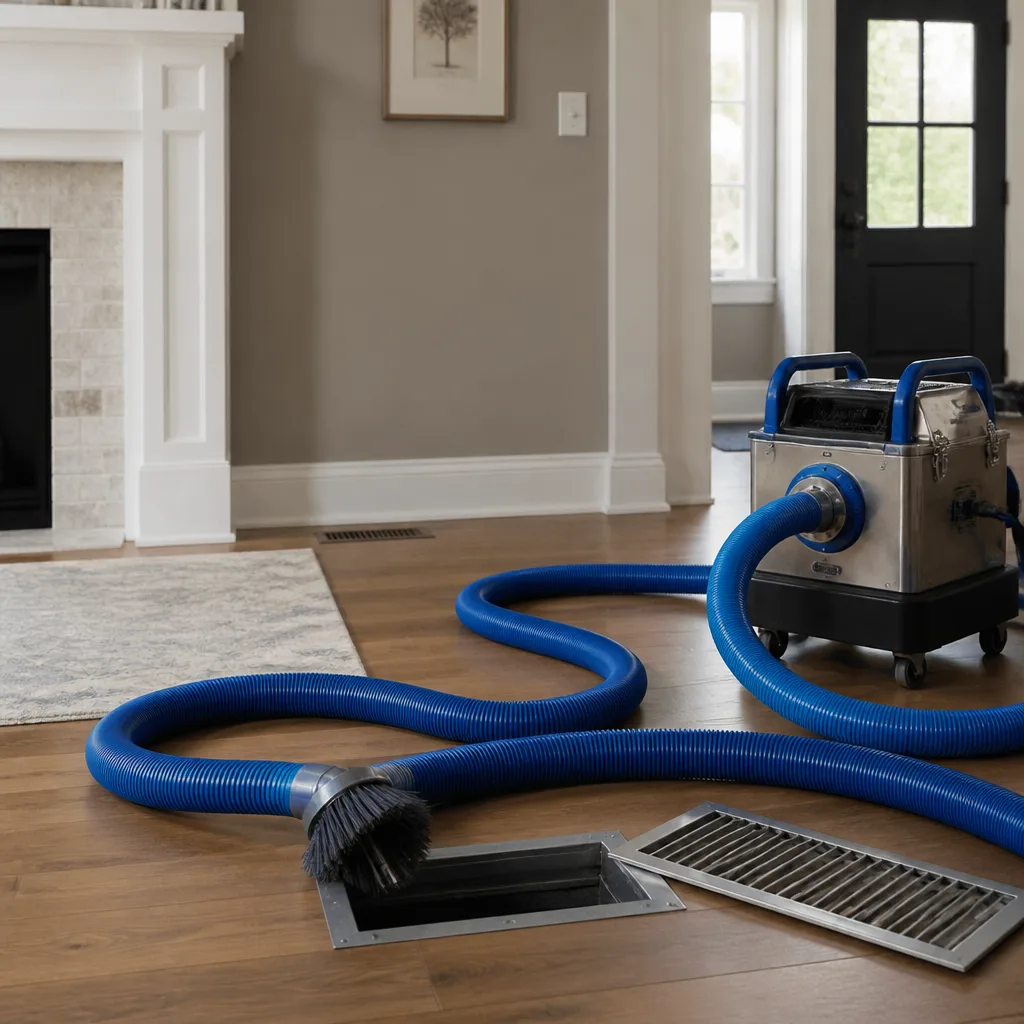 Whole-home duct cleaning
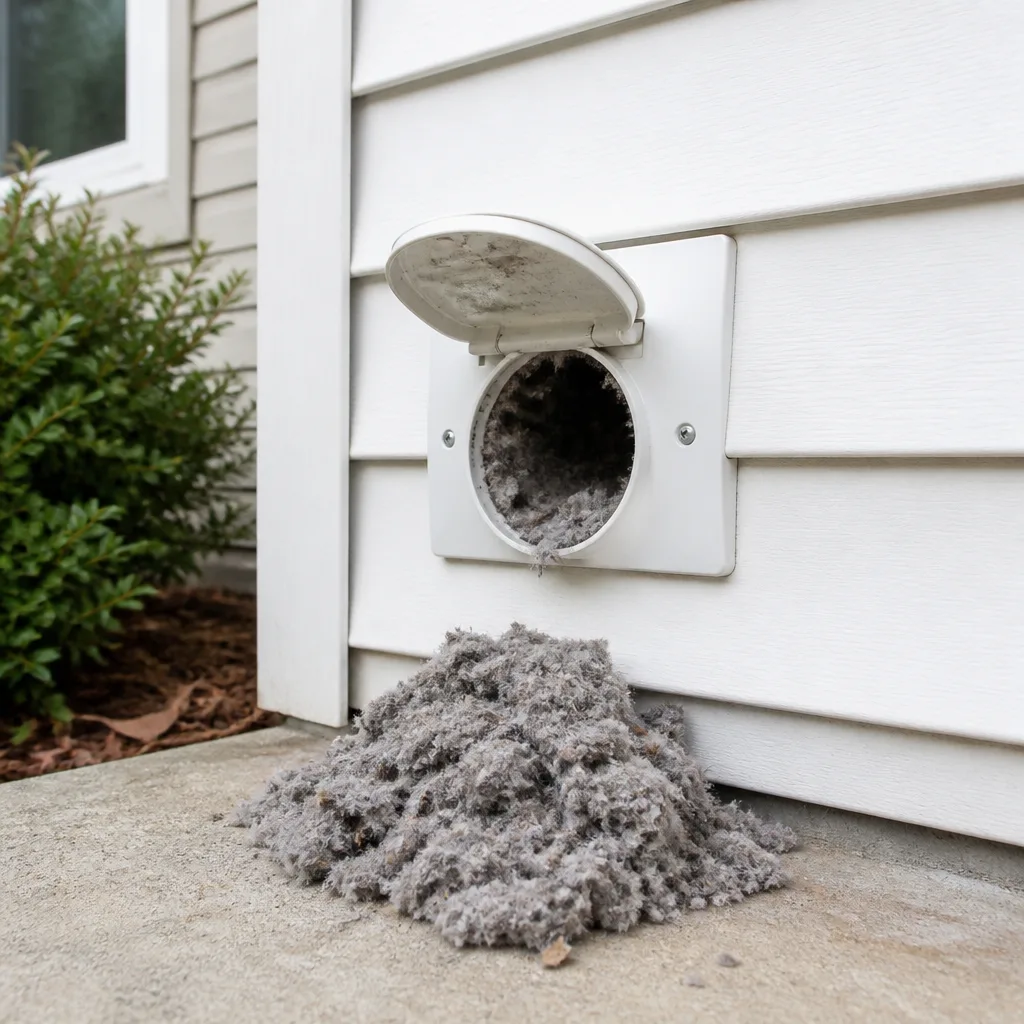 Dryer vent cleaning
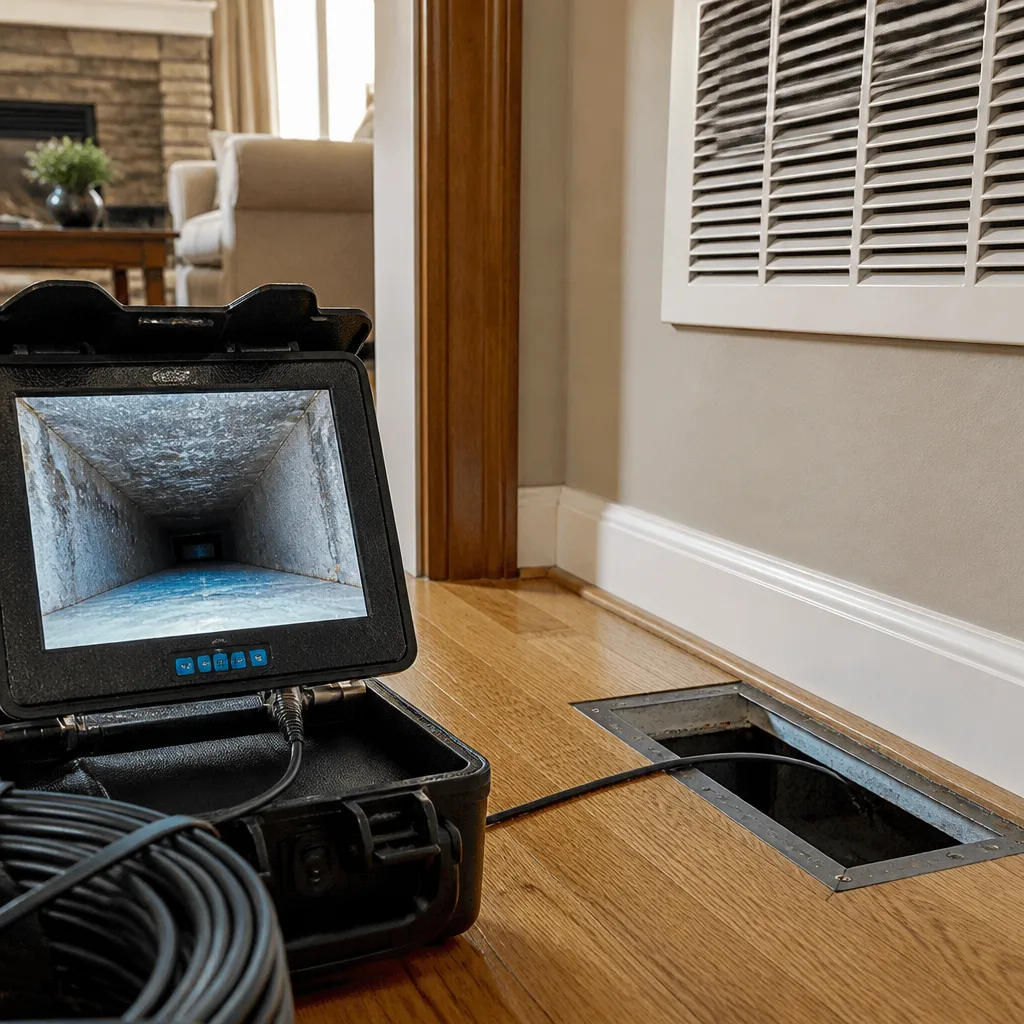 Camera inspection
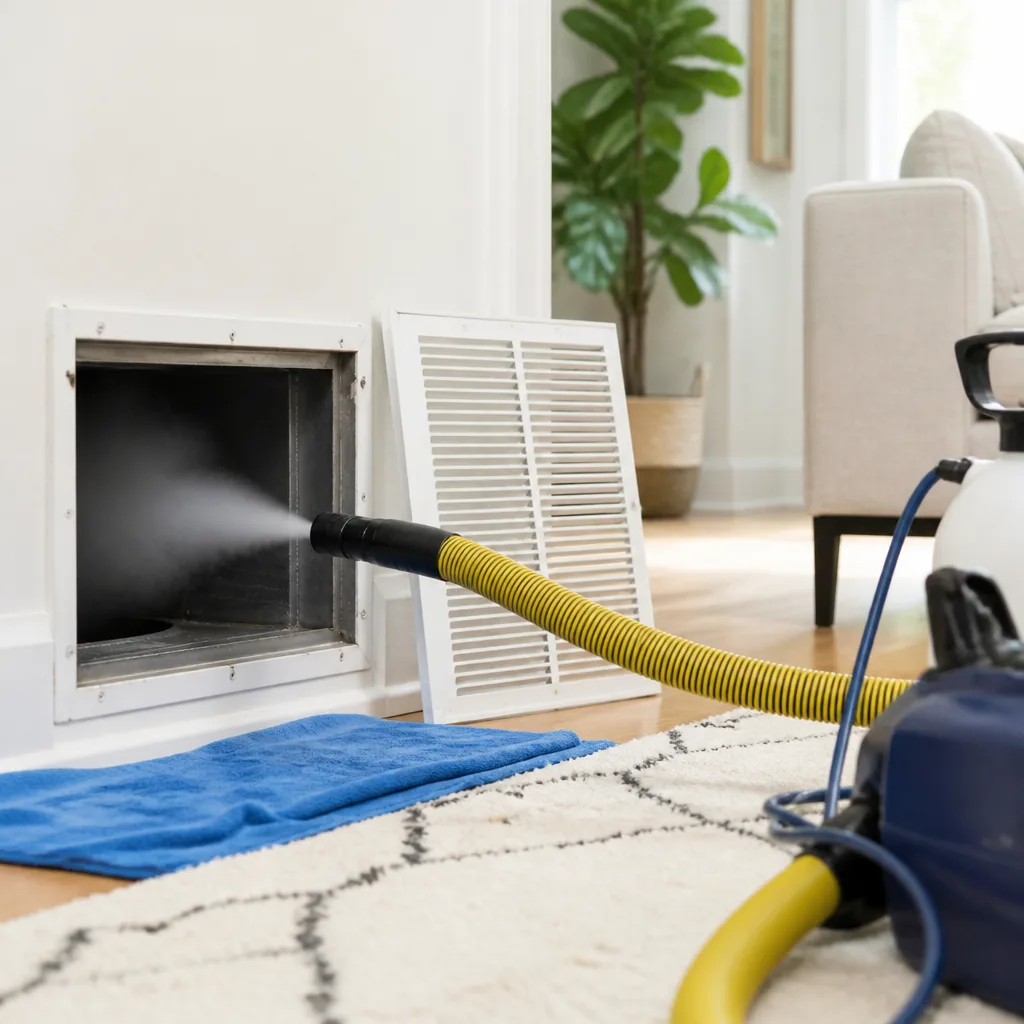 Sanitizing & deodorizing
Whole-system duct and dryer vent check with before-and-after photos - you see exactly what came out of your vents
That "$99 whole-house special" is a bait ad - the real number appears once they are in your hallway, or the "clean" is a shop-vac at the register. We photograph the inside of your ducts before and after instead.
How to Hire an Air Duct Cleaning Contractor in Concourse: A Step-by-Step Guide
Here’s the part most homeowners never hear: New York doesn’t license air duct cleaners. There’s no state exam, no required credential, no background check to pass before someone can put “professional duct cleaning” on a van and knock on your door. That means hiring a contractor isn’t really a shopping decision – it’s a vetting decision. The person you let into your ductwork can leave your air cleaner, or they can dislodge debris that settles back into the system and makes things worse. This guide walks you through the exact questions to ask in Concourse, what answers separate a real operator from a volume crew, and how to compare quotes without getting played on package tiers.
Quick Answer
To hire an air duct cleaning contractor in Concourse, verify three things before you book: the equipment they use (professional negative-pressure machines from brands like Rotobrush or Nikro, not shop vacuums), their scope in writing (whole-system cleaning with before-and-after photos, not per-vent pricing), and their documentation (pre- and post-cleaning photos and an inspection report). New York doesn’t license duct cleaners, so the burden of verification falls on you – and the five questions in this guide will surface most undertrained operators within a single phone call.
Styles & brands we work with
- Whole-home duct cleaning
- Dryer vent cleaning
- Camera inspection
- Sanitizing & deodorizing
Table of Contents
- Why Vetting Matters More Than Price in Concourse
- The Five Questions That Expose an Undertrained Operator
- Equipment: What to Ask About Negative Pressure and CFM
- NADCA, ASCS, and What Certification Actually Requires
- How to Structure Your Quote Request So Comparisons Are Fair
- What a Legitimate Contractor Inspects and Documents Before Starting
- New York Market Red Flags
- What a Realistic Job Timeline Looks Like for a Concourse Home
Why Vetting Matters More Than Price in Concourse
The Federal Trade Commission has documented a pattern that shows up across the country: a $49 whole-house offer advertised on a postcard, a technician arrives with a shop vacuum, and once inside the home the price climbs through upsells to “antimicrobial fogging” or “sealing” – while the system itself is left in worse condition because no negative pressure was ever established. Debris that should have been pulled out of the home gets pushed back through the supply registers instead. That’s not a cleaning. It’s a redistribution.
Concourse makes this worse in a specific way. The apartment blocks and prewar houses around Concourse Village and along the Grand Concourse corridor tend to have long horizontal trunk runs and short branch ducts – the kind of layout where a shop vacuum can superficially “clean” the register boots while leaving the trunk coated. Without proper negative pressure and a mechanical agitation tool like a rotary brush or air whip, the debris that dislodges simply settles wherever airflow next slows down. Two months later your allergies are back and the contractor is long gone.
The hiring process in Concourse, then, isn’t about finding the cheapest quote. It’s about finding someone whose equipment can actually hold and move material out of the system, and whose paperwork proves they did it. That’s what separates a dedicated indoor-air specialist from a generalist HVAC company that added duct cleaning to a checklist.
The Five Questions That Expose an Undertrained Operator
Ask these five questions on the phone before anyone comes out. If the answers are vague, that’s your answer. The right contractor will know these cold – they run this equipment every day and talk about it like a tradesperson, not a salesperson.
- What brand of negative-pressure machine do you run, and is it truck-mounted or portable? A real operator will name the equipment. If they say “we use a HEPA vac” and can’t get more specific, that’s not a duct cleaning system – that’s a shop tool.
- What CFM does your machine pull? CFM is the measure of airflow volume. Professional negative-pressure systems for residential work generally pull several thousand CFM at the unit; consumer and entry-level machines fall far short. If the answer is “um” or a vague “it’s powerful,” they don’t know their equipment.
- What agitation tools do you use inside the ducts? Negative pressure pulls air; agitation actually loosens the debris. The answer should include rotary brushes, air whips, or compressed-air tools sized to the duct type – not just “we vacuum each vent.”
- What will I receive in writing to prove the work was done? The right answer includes before-and-after photos of the duct interiors and a written scope with any findings. “You’ll see the difference” is not documentation.
- Are you NADCA members, and are your technicians ASCS certified? NADCA is the National Air Duct Cleaners Association. ASCS is its Air Systems Cleaning Specialist credential. A “yes” goes a long way; a “we’re fully qualified” without naming either is a soft no.
Someone who actually cleans ducts will answer all five in plain language. Someone juggling subcontractors or running a postcard operation will deflect – usually to price, discounts, or a promise of “the best equipment.” Book the first kind.
Equipment: What to Ask About Negative Pressure and CFM
The single most diagnostic question about any duct cleaner is the equipment they own. Duct cleaning is a two-part physical process: agitate the debris stuck to the duct walls, and pull it out of the system under continuous negative pressure so it never re-enters living space. Skip the second part and you’ve just made a mess inside the walls.
Professional negative-pressure duct cleaning units fall into two categories:
- Truck-mounted systems. These park outside and run a large hose through a door or window. They pull the highest CFM by a wide margin and are standard for larger homes and anything with long trunk runs. They’re the gold standard for whole-system residential cleaning.
- Portable high-CFM units. These are designed for apartments, tight access, and buildings where a truck hose can’t reach. A serious portable isn’t a shop vac – it’s a purpose-built HEPA-filtered negative-pressure machine that can run continuously for hours without losing suction.
The equipment brands tell you a lot about the operation. Rotobrush systems are the industry workhorses for residential work – the rotary brush and negative-pressure combination is the standard setup for source removal. Nikro units are used widely in commercial and remediation work. Abatement Technologies filtration equipment is designed for mold and contamination remediation, not casual cleaning – when a contractor brings that capability to a residential job, it’s a signal they expect to find real material and are set up to contain it.
What you don’t want to hear is “we use a HEPA vacuum and a blower.” HEPA vacuums are excellent filtration devices; they’re not negative-pressure duct cleaning machines. They can’t hold thousands of CFM on a 20-foot trunk run. If a contractor can’t name their equipment, ask yourself why.
NADCA, ASCS, and What Certification Actually Requires
NADCA membership is a meaningful signal, but it isn’t the whole picture – and it isn’t a license. NADCA membership requires a business and tax record and payment of dues; it says you’re part of the trade association, not that any individual technician has passed a hands-on exam. The credential that matters at the technician level is ASCS – the Air Systems Cleaning Specialist certification. Earning an ASCS requires training and a written exam covering duct system basics, cleaning methods, and contamination control. It’s not a state license, but it does mean the person in your ducts has demonstrated knowledge of the systems they’re working on.
Why this matters in Concourse and across New York City specifically: with no state licensing requirement for duct cleaning, ASCS is one of the few objective, third-party skill signals available to a homeowner. It’s not perfect – plenty of excellent operators aren’t ASCS certified, and a certificate isn’t proof of a good job done. But when you’re comparing two quotes from someone you’ve never met, third-party credentials shift the burden of proof substantially.
Ask two follow-up questions about credentials:
- Who is ASCS certified? The company itself, or the individual technicians performing the work? It matters. Company-level membership and individual-level certification are different things.
- Are you insured? Professional liability and general liability insurance protect you if something goes wrong. Ask for a certificate of insurance before work starts. A legitimate contractor provides it without hesitation.
Our technicians have up to 15 years of experience, and we work with the professional-grade systems covered in this guide. That’s the standard you should hold any Concourse contractor to – ours included.
How to Structure Your Quote Request So Comparisons Are Fair
Package tiers are designed to confuse comparison. “Basic,” “Deep,” and “Platinum” packages from three different companies describe three different scopes, so the price list is meaningless without normalizing what’s being done. The fix is simple: write out your scope of work and ask each contractor to quote the same thing in writing.
Here’s how a proper quote request looks:
- State your system. Number of supply registers, number of return registers, number of HVAC systems (one furnace/air handler or two?), approximate home square footage, and whether you have flex duct, rigid duct, or a mix.
- Require whole-system cleaning, not per-vent pricing. Per-vent pricing is a red flag – it invites the “well, that vent costs extra” upsell once the technician is inside. One flat price for the entire system, agreed before work starts, is the standard you want.
- Ask what’s included in the base quote. Specifically: source removal with negative pressure, agitation of trunk and branch lines, cleaning of the air handler and blower (or not), cleaning of the return plenum, and post-cleaning photo documentation.
- Ask what’s excluded. This is where upsells hide. Sanitizing, sealing, dryer vent cleaning, and access cut-ins should all be quoted separately and in advance – not discovered on the day.
- Ask about repairs. A contractor who inspects your ducts will sometimes find disconnected joints, crushed flex runs, or rodent damage. Ask upfront whether they can repair and seal what they find, or whether you’ll need a second contractor. Full-scope service under one roof is a differentiator – you don’t want a cleaning crew that hands you a report and leaves.
When you get three quotes back, you’ll actually be comparing the same work. A quote that comes in low is almost always a quote for less scope – not a better price. Our own quotes in Concourse follow the one-flat-price-per-system model for exactly this reason: it’s the only way the numbers mean anything.
What a Legitimate Contractor Inspects and Documents Before Starting
The inspection happens before cleaning, not after. A contractor who only shows you photos of what they found once the job is done has no baseline – and no proof of what they started with. Pre-cleaning documentation protects you as much as it protects them.
Here’s what a real pre-job inspection covers:
- Access points and duct type. Rigid duct, flex duct, ductboard, and galvanized steel all need different agitation tools. The contractor should identify the material and layout before pulling tools out of the van.
- Photographs of the interior of at least one trunk run and several registers. Phone-camera photos are fine. What matters is that the “before” is on record.
- Evidence of moisture or biological growth. If the pre-inspection finds active mold or standing moisture, that changes the scope – remediation-level containment capability becomes essential, and cleaning alone may not resolve it. This is exactly where filtering equipment like Abatement Technologies matters. A residential-only cleaner won’t have it.
- Disconnected joints, crushed sections, or rodent entry points. These need to be flagged before cleaning, because “cleaning” a system with a crushed trunk run is a waste of time and money.
- HVAC equipment condition. The blower, evaporator coil, and air handler are part of the system. Proper HVAC cleaning is scheduled alongside duct cleaning on many jobs, and inspecting those components beforehand tells you whether that’s needed.
After cleaning, the contractor should provide matching post-cleaning photos of the same locations. This is the single most useful piece of proof you can ask for. If your contractor can’t show you what the ducts look like after they finish, you have no way of knowing whether the work was actually done – or whether it was done to one register and abandoned.
While you’re asking about documentation, ask about your dryer vent too. Dryer vent cleaning is a named, standalone service in our lineup for a reason: the NFPA documents dryer vent lint as a leading household fire hazard, and a duct cleaning visit that skips it leaves an obvious risk on the table. If you’re going to have someone in the house anyway, have them check it. You can read more about our dryer vent cleaning service if this isn’t something you’ve had done before.
New York Market Red Flags
The New York metro market has two structural problems that make it harder to hire well than in most of the country. First, the sheer density of apartment buildings and multi-unit housing means high-volume operations can run a hundred jobs a week by subcontracting to rotating crews. Second, because there’s no licensing, the only real enforcement lever is customer complaints – which means the worst operators often churn through names, phone numbers, and postcards before enough complaints accumulate.
Specific red flags to watch for in Concourse:
- Subcontracted crews with no named company. Ask who actually shows up. If the person on the phone and the person in your home have no connection to each other – and neither can name the company owner or address – you’re talking to a dispatch operation, not a contractor.
- Door-to-door or postcard “specials” for a specific low price. Legitimate operators don’t need to sell whole-house cleaning for a figure that can’t cover an hour of labor and machine time.
- No address, no insurance certificate, cash only. A real contractor has a business record and can supply a certificate of insurance on request.
- Package tiers with escalating upcharges once the technician is inside. The classic pattern: base price, then “your ducts are worse than we thought” upcharge, then “antimicrobial fogging” as a final upsell. The FTC has documented this exact sequence nationally.
- Uniform answers about equipment (“we use the best in the business”). A real operator names their machines. Vague answers mean no machines worth naming.
- No before-and-after photos. If the contractor can’t show you photos of past work in writing, ask why.
For property managers specifically – landlords responsible for tenant air quality across multiple units – these red flags matter even more. A building-wide contract with an unscrupulous operator can leave every unit’s system contaminated and every tenant complaining. Vetting takes a single phone call. Recovery takes months.
What a Realistic Job Timeline Looks Like for a Concourse Home
Duct cleaning is not an afternoon walkthrough. In an average Concourse single-family home or larger prewar apartment, a proper whole-system job usually takes three to five hours, and multi-system homes or buildings run longer. Any quote that promises the whole system done in forty-five minutes is promising a walkthrough, not a cleaning.
Here’s the realistic sequence:
- Pre-job inspection and photo documentation (30-45 minutes). Access points identified, duct type confirmed, photos taken, HVAC equipment inspected.
- Setup (15-30 minutes). Negative-pressure machine connected and running, hoses run through a door or window, registers removed and set aside.
- Supply-side cleaning (60-120 minutes). Rotary brush and agitation tools run through each branch and into the trunk, with the negative-pressure unit holding continuous suction on the return side.
- Return-side cleaning (30-60 minutes). Return registers, plenums, and the air handler feed cleaned.
- HVAC component cleaning (30-60 minutes, if included). Blower, evaporator coil, and air handler cabinet cleaned as scoped.
- Post-cleaning documentation (15-30 minutes). Matching photos taken, findings logged, any repairs or sealing quoted separately.
A dryer vent cleaning, if you’re adding it, takes another 30-45 minutes depending on run length and access. Duct repair and sealing work – if the inspection finds disconnected joints or crushed runs – gets quoted as a separate job after the photos are taken. That’s the honest way to price it: you can’t quote a repair before the inspection reveals what needs repairing.
For a typical Concourse apartment, the timeline is usually compressed because the total duct run is shorter and there’s less trunk to brush out – often two to three hours for a solid job. Larger homes in Concourse Village or off the Grand Concourse corridor with multiple systems run longer. When you get quotes, ask each contractor for their typical job duration for your home size. The honest numbers will cluster; the outliers will stand out.
Common Mistakes to Avoid
- Hiring on price alone. The lowest quote in Concourse almost always means less scope, less equipment, or less documentation. Compare scopes first, then price.
- Accepting per-vent pricing. Per-vent pricing invites upcharges by the register. Insist on a flat price for the full system, agreed before work starts.
- Skipping the pre-cleaning inspection. Cleaning without a documented baseline leaves you with no way to verify the results. Photos before and after are the whole point.
- Believing the “antimicrobial fogging” upsell. If the ducts are properly cleaned and dried, fogging is often an added cost with limited benefit. It’s not a substitute for source removal. Our approach to sanitizing uses Guardsman-brand products as a finishing step, not as a shortcut around cleaning.
- Ignoring the dryer vent. Dryer vent cleaning is not optional if you want comprehensive coverage of your home’s air-related fire risk. It’s a separate service because it’s a separate hazard, and it deserves a separate inspection.
- Forgetting to ask about repairs. If a contractor can’t fix the disconnected joint or replace the crushed flex run they find, you’ll be calling someone else. Ask upfront whether the same contractor can handle air duct cleaning and duct repair and sealing in one scope.
- Assuming NADCA membership is a full credential. It’s a useful signal of belonging to the trade association, but it doesn’t verify individual technician skill. ASCS certification is the technician-level credential that matters.
See the difference
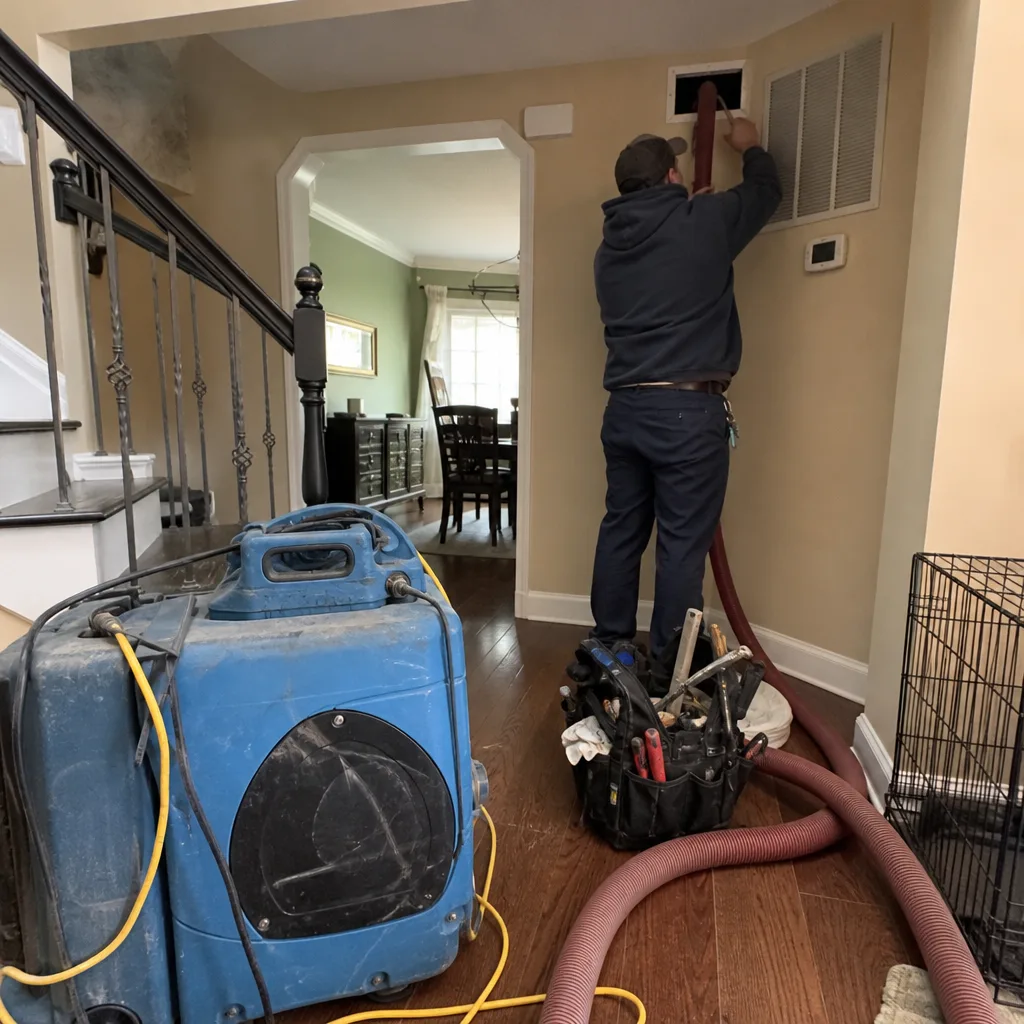 Before
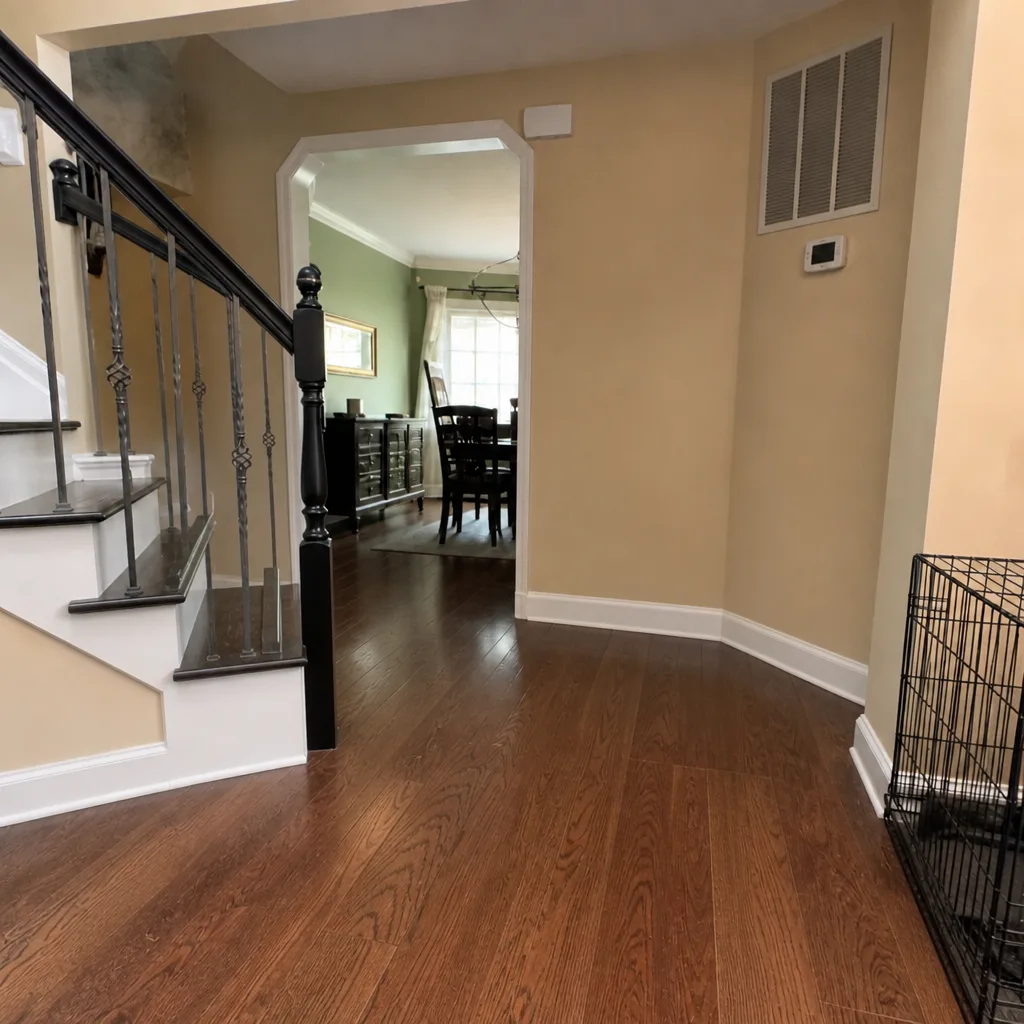 After
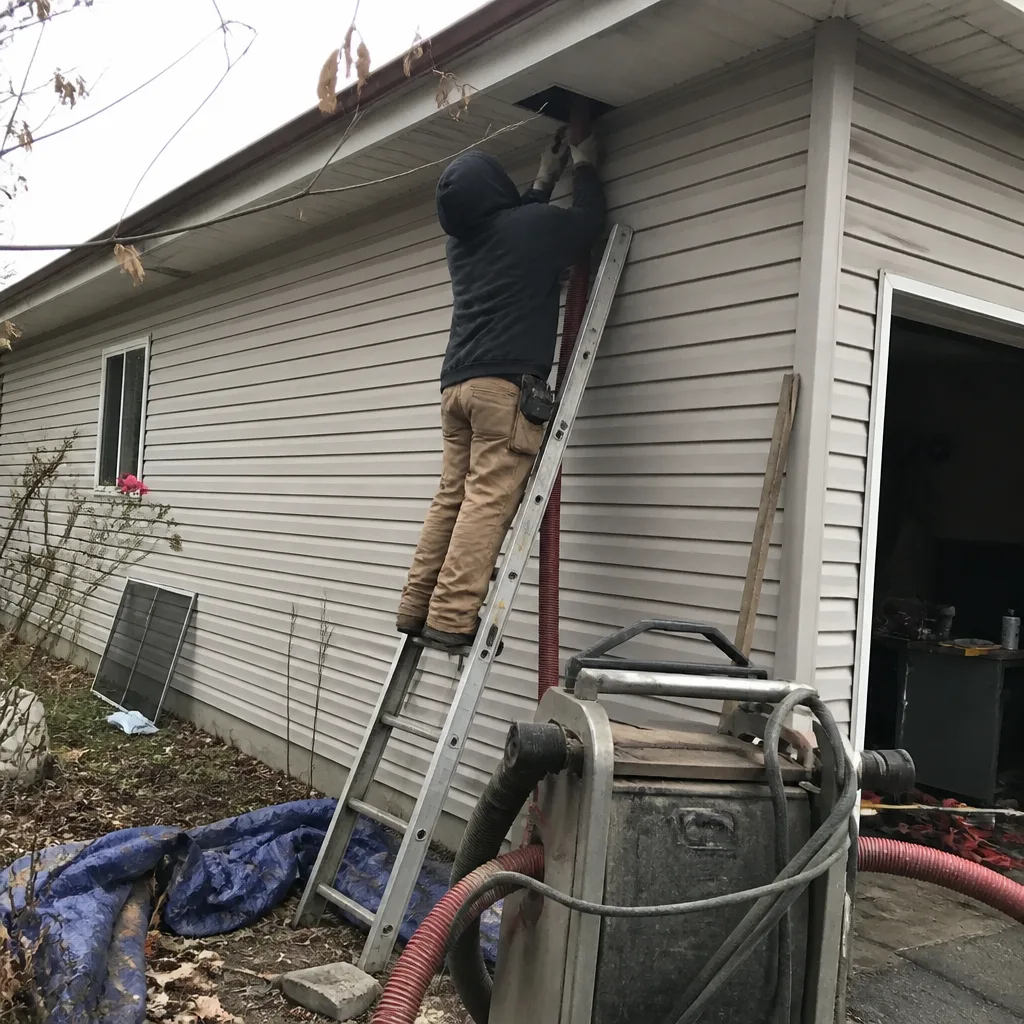 Before
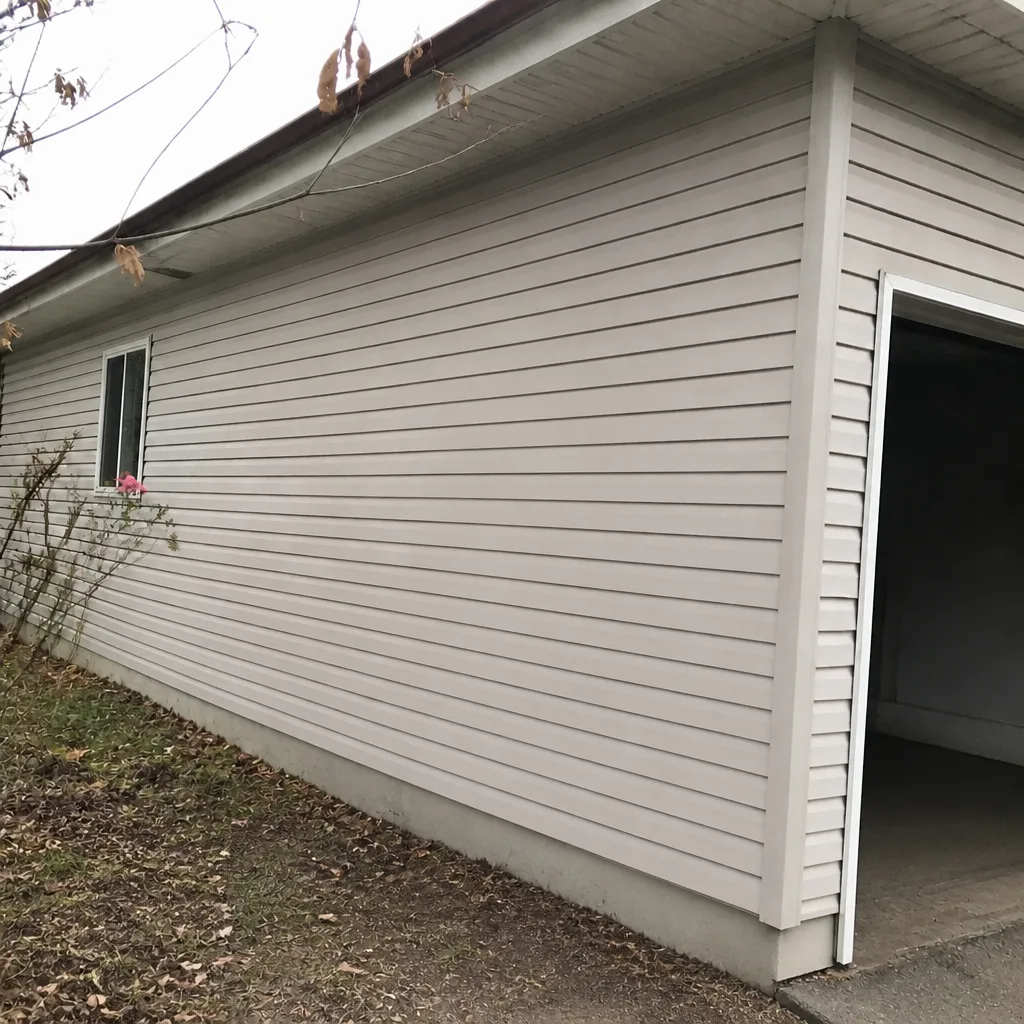 After
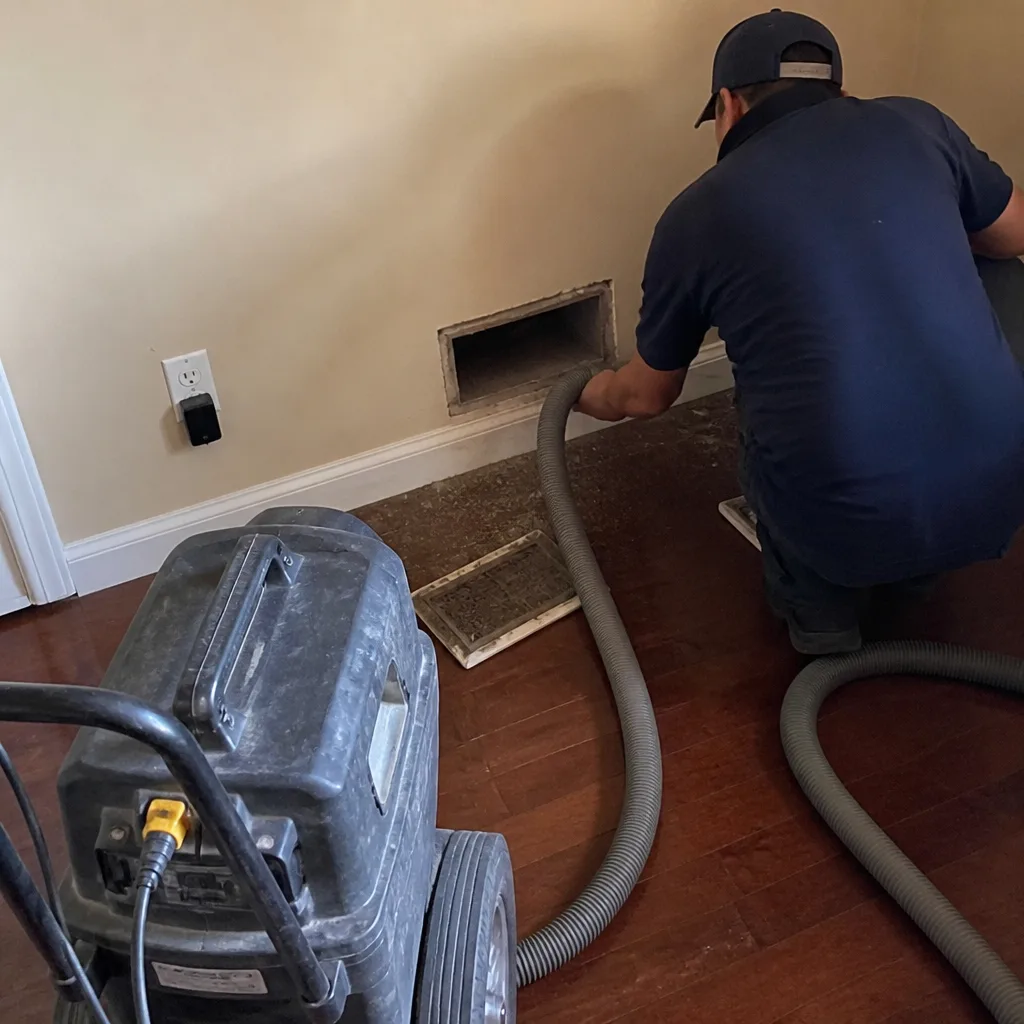 Before
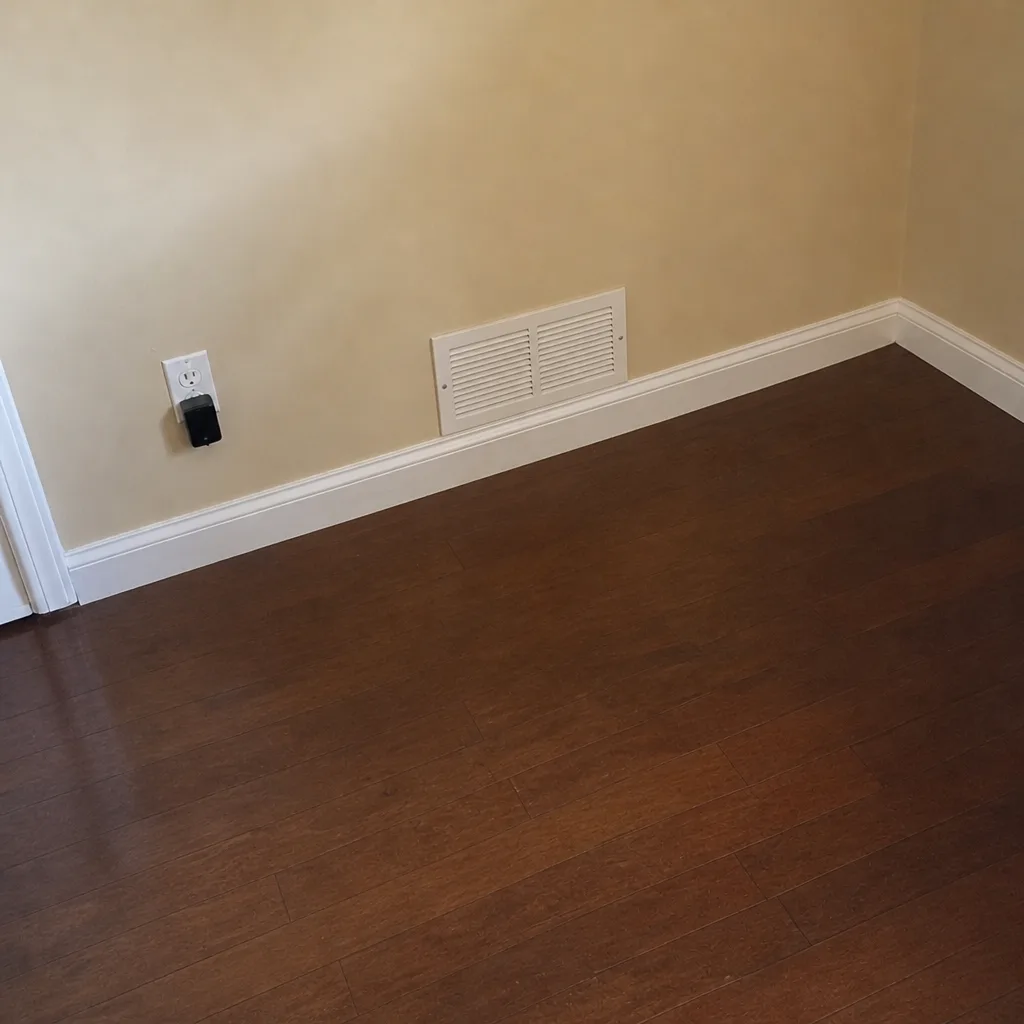 After
When to Call a Professional
Some situations call for a professional inspection and cleaning now, not later. Repeated allergic symptoms in the home – especially after a recent renovation, move-in, or rodent problem – usually point to something in the system. Visible dust blowing from registers when the HVAC kicks on is a source-control problem, not a filter problem. A dryer that takes two cycles to dry a load, or feels unusually hot on the outside, means restricted airflow in the vent and elevated fire risk. A property manager fielding tenant complaints about musty or dusty air has a duty to investigate, not defer.
Air Duct Cleaning Concourse offers free estimates in Concourse – call (855) 947-0512 to schedule. We answer 24/7. Fast dispatch from 7am to 7pm, Sunday through Friday. One flat price per system, agreed before work starts, with before-and-after photos of your own ducts when we finish.
Frequently Asked Questions
In Concourse, a whole-system duct cleaning for a typical apartment or single-family home usually falls in a mid-three-figure to low-four-figure range, depending on the number of registers, the number of HVAC systems, and whether HVAC component cleaning is included. We don’t quote per-vent pricing, and we don’t quote from a postcard – each estimate is per job based on the scope. Call (855) 947-0512 for an exact quote – estimates are free.
Because they’re quotes for a different scope. The very low quotes you’ll see advertised in the New York metro area usually cover a shop vacuum pass over the registers – not source removal with professional negative-pressure equipment. Once the technician is inside, upcharges for “found” problems and antimicrobial fogging bring the total back up, sometimes past what a professional quote would have been. Ask what’s included, what’s excluded, and what equipment they’ll run. Then compare. Call (855) 947-0512 if you want to talk it through – estimates are free.
Before-and-after photos of your duct interiors, taken at the same access points before and after cleaning. That’s the standard. A legitimate contractor documents the pre-cleaning condition and the post-cleaning condition, and hands you both. Without matching photos, you have no proof of results. Ask any Concourse contractor for this before booking. If they can’t commit to it, keep looking. Call (855) 947-0512 for a free estimate.
Most homes don’t need annual duct cleaning. A reasonable interval for a typical Concourse home is every three to five years for routine maintenance, with a cleaning sooner after a renovation, a move-in to an older home, a rodent or moisture issue, or when someone in the home has persistent allergy symptoms. Apartment buildings with shared systems can justify more frequent checks. The honest answer depends on conditions, not on a contractor’s schedule. Call (855) 947-0512 to discuss your situation – estimates are free.
No. New York State does not license air duct cleaning contractors – the barrier to entry is essentially zero. This is why vetting matters more in Concourse than it would in a state with a licensing regime. Look for NADCA membership as a baseline signal, ASCS certification as a technician-level credential, and professional equipment brands like Rotobrush, Nikro, or Abatement Technologies as proof of a serious operation. Call (855) 947-0512 with questions – estimates are free.
Yes. Our Air Duct Cleaning Concourse team handles duct cleaning, duct repair and sealing, HVAC cleaning, dryer vent cleaning, and air quality and sanitizing as five services under one roof. If the inspection finds disconnected joints, crushed flex runs, or rodent entry points, we quote the repair separately and can complete it without a second contractor. That’s the difference between full-scope service and a cleaning crew that leaves you a report. Call (855) 947-0512 for an estimate.
The Bottom Line
Hiring a duct cleaning contractor in Concourse comes down to verification, not reputation. Ask the five questions: what brand of negative-pressure machine, what CFM, what agitation tools, what documentation, and are technicians ASCS certified. Structure your quote request with a written scope so you’re comparing identical work, not package tiers. Require pre-cleaning photos and post-cleaning photos at the same access points. Rule out the postcard operators and volume subcontractors, and you’ll be choosing between real contractors instead of guessing. New York doesn’t license this trade – but you can still vet it properly, one phone call at a time.
If you’d like to start with a conversation, call (855) 947-0512 for a free estimate. We answer 24/7. Fast dispatch from 7am to 7pm, Sunday through Friday. One flat price per system, agreed before work starts, with before-and-after photos of your own ducts when the job is done.
Written by the team at Air Duct Cleaning Concourse.