
Last updated November 22, 2026
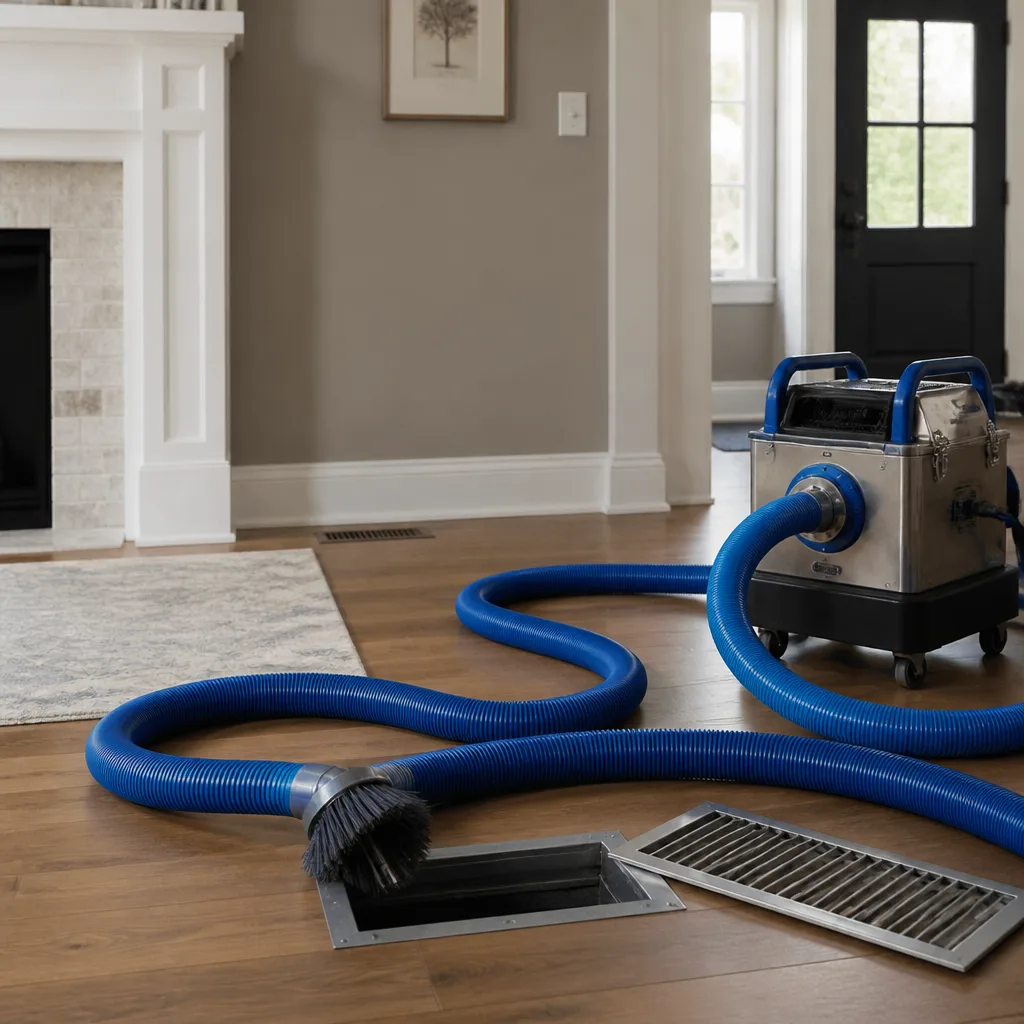 Whole-home duct cleaning
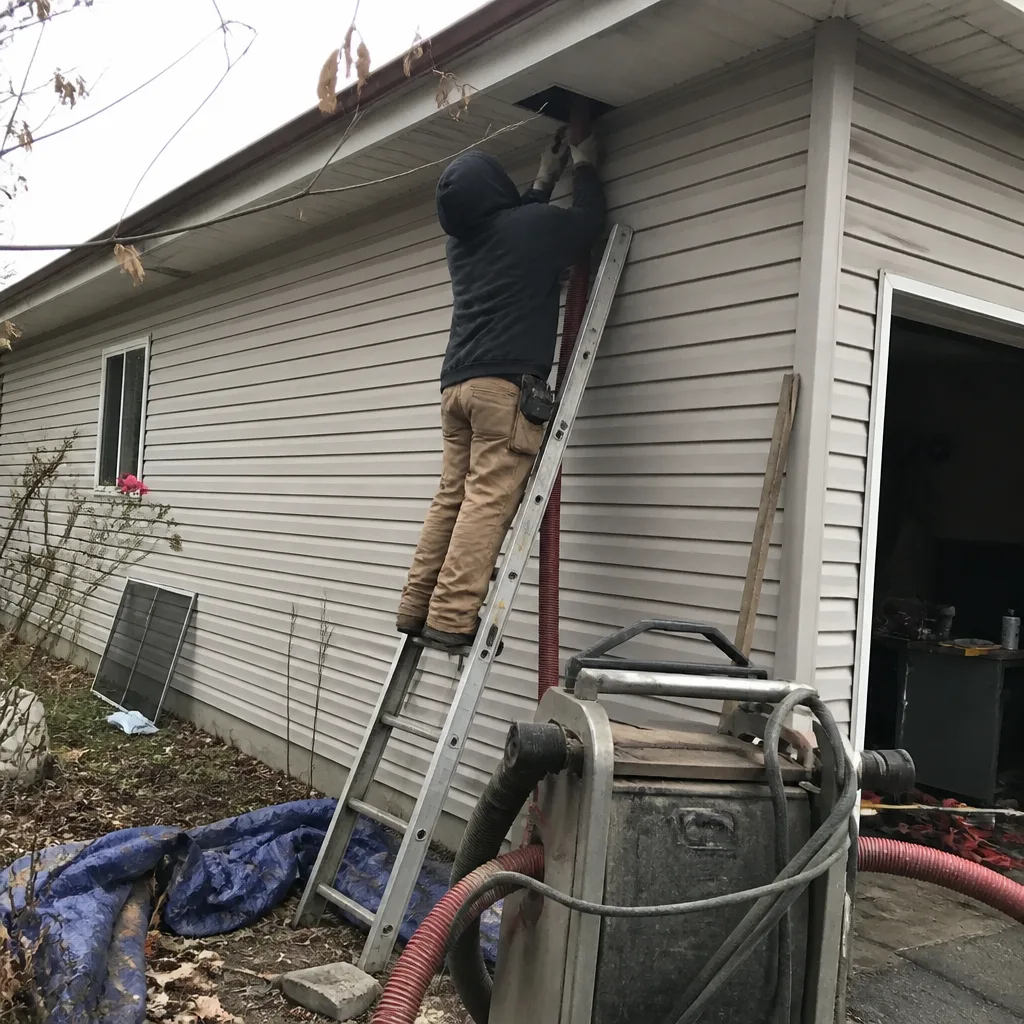
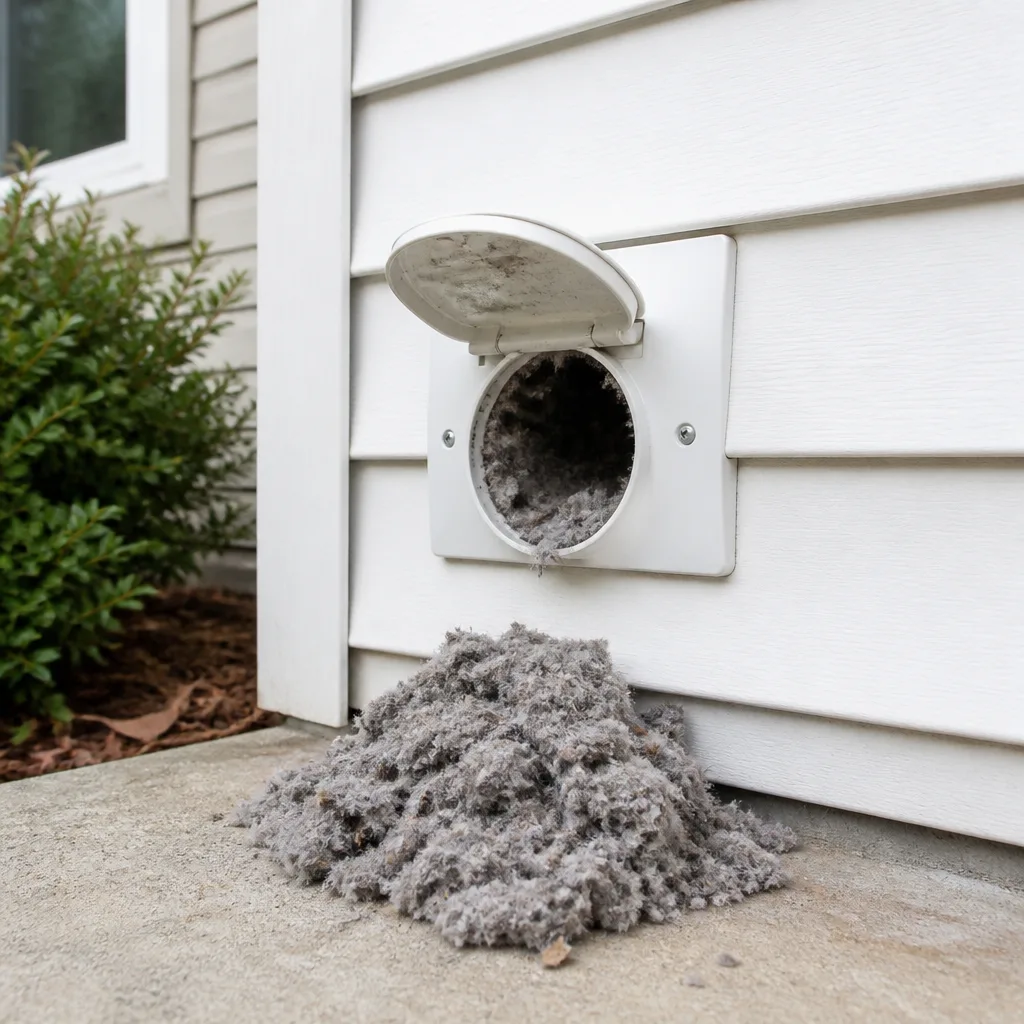 Dryer vent cleaning
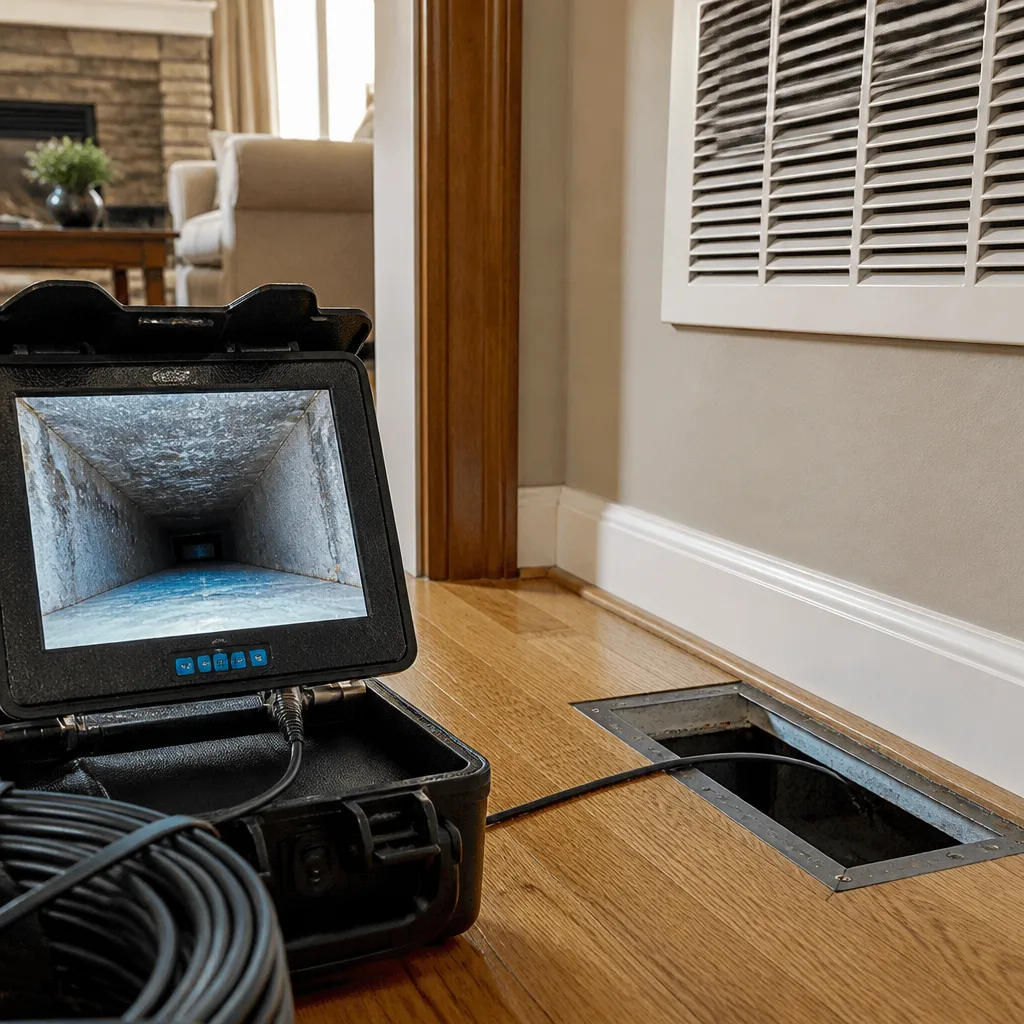 Camera inspection
 Sanitizing & deodorizing
Whole-system duct and dryer vent check with before-and-after photos - you see exactly what came out of your vents
That "$99 whole-house special" is a bait ad - the real number appears once they are in your hallway, or the "clean" is a shop-vac at the register. We photograph the inside of your ducts before and after instead.
Air Duct Cleaning Maintenance Checklist for Concourse Homeowners
The standard advice to clean your ducts every three to five years was never based on measured data. It’s an industry average that ignores your filter type, how many people live in your apartment, whether you just renovated, and what actually floats through the air around Concourse. Two homes on the same block can need completely different schedules, and the calendar can’t tell them apart. Your system can. This checklist teaches you to read six measurable signals your ductwork gives off between professional visits, so you know when intervention is warranted instead of guessing. We’ll cover filter loading rates, register-by-register airflow tests, what to look for inside accessible boots, and how to build a baseline record that proves what changed.
Quick Answer
A proper air duct maintenance checklist for a Concourse home tracks six indicators: filter loading rate, register-by-register airflow symmetry, visible debris inside register boots, post-renovation dust settling, pest activity, and seasonal moisture. Log each one on a simple monthly schedule and compare against a written baseline you build after your last professional cleaning. When two or more indicators drift at once, that’s your signal to call for an inspection rather than waiting for a calendar date to arrive.
Styles & brands we work with
- Whole-home duct cleaning
- Dryer vent cleaning
- Camera inspection
- Sanitizing & deodorizing
Table of Contents
- Why Fixed Cleaning Intervals Fail in Concourse Buildings
- Signal 1: Filter Loading Rate as Your Contamination Speedometer
- Signal 2: The Tissue Test for Register-by-Register Airflow
- Signal 3: What a Flashlight and Phone Camera Reveal Inside Register Boots
- Concourse-Specific Triggers: Renovation, Pests, and Seasonal Moisture
- Building Your System Baseline So You Can Prove What Changed
- What a Professional Visit Should Actually Include
- Common Mistakes to Avoid
- When to Call a Professional
- Frequently Asked Questions
Why Fixed Cleaning Intervals Fail in Concourse Buildings
Concourse housing stock varies enormously within a few blocks. Pre-war apartment buildings with original galvanized duct runs behave nothing like mid-century co-ops with retrofitted flex duct, and neither behaves like a renovated single-family house near the Grand Concourse itself. Each of those systems accumulates debris at a different rate. A blanket three-to-five-year rule treats all of them the same, which means some homeowners call too early and pay for a cleaning their ducts didn’t need, while others wait years past the point where contamination became a real air-quality problem.
The variables that actually drive accumulation are things you can observe yourself:
- Filter type and change frequency. A high-MERV filter catches more, loads faster, and tells you more about what’s moving through the system. A cheap fiberglass panel lets more pass through into the ducts.
- Occupancy load. More people means more skin cells, hair, and fabric fibers shedding into the return air.
- Renovation history. Drywall dust, sawdust, and insulation particles are the single biggest short-term contamination event a residential system faces.
- Local air quality. Concourse sits in a dense urban corridor with heavy vehicle traffic. Fine particulate from the street loads filters and ducts faster than it would in a low-traffic suburb.
- Pets. Dander and hair settle in return plenums and register boots long before they reach the filter.
Our technicians have up to 15 years of experience, and the pattern we see most often is a homeowner who scrubbed the calendar but never looked inside a register boot. The checklist below replaces the calendar with observation. It takes about twenty minutes a month and gives you real data instead of a guess.
Signal 1: Filter Loading Rate as Your Contamination Speedometer
Your filter is the one component that tells you, in measurable terms, how fast contamination is moving through your system. If a filter that normally lasts three months is gray and matted at four weeks, something upstream is shedding debris faster than usual, and your ducts are receiving the same load. Tracking loading rate over time turns your filter into a proxy measurement for duct contamination velocity.
Here’s how to log it:
- Write the install date on the filter edge. Use a marker, not your memory. Date, filter MERV rating, and the month you started.
- Check it every two weeks. Hold it up to a light source. Note whether light passes through uniformly, in patches, or not at all.
- Record the date it needs changing. That interval, in weeks, is your loading rate. Log it in a notebook or a note on your phone.
- Compare across changes. If your last filter lasted ten weeks and this one lasted four, the rate doubled. That’s a signal worth investigating.
- Note the season. Heating season and cooling season pull different volumes of air, so rates naturally vary. What matters is a jump that doesn’t match the season.
A stable loading rate over several filter changes is a good sign. A rate that accelerates without a seasonal explanation usually means one of two things: a duct breach pulling air from an unconditioned or dirty space, or a debris source inside the system itself. Both are inspectable, and both are worth catching before they compound. Professional-grade equipment like the Rotobrush and Nikro systems we operate can measure and remove what’s accumulating, but the loading-rate log is what tells you the accumulation is happening in the first place.
Signal 2: The Tissue Test for Register-by-Register Airflow
Uneven airflow between registers is one of the clearest indicators of a duct problem, and you can measure it with a single square of toilet paper. The tissue test compares what each supply register delivers, so a register that’s suddenly weak while others are strong points you toward a localized blockage rather than a system-wide issue.
Run the test like this:
- Set the system to fan-only or full cooling. Give it five minutes to stabilize after any change.
- Hold a single-ply tissue flat against the grille of each supply register. One at a time. Note how far the tissue lifts, whether it flutters strongly, weakly, or not at all.
- Rank your registers. Strongest to weakest. Write the ranking down.
- Repeat monthly. The ranking itself matters less than change. A register that drops from second-strongest to last tells you a blockage developed on that branch.
- Check return registers separately. Hold the tissue near a return grille and note the pull. A return that can’t draw is a sign of a collapsed or disconnected return duct.
What asymmetry tells you: a single weak supply register usually means debris buildup, a partially closed damper, or a disconnected branch duct serving that room. A whole zone of weak registers suggests a main trunk issue or a blower problem. All registers weak across the board is less likely to be duct contamination and more likely to be a filter that’s fully loaded or an equipment fault. The tissue test won’t diagnose the cause, but it tells you where to look and gives a professional a precise starting point. It costs nothing and takes ten minutes. Combined with the loading-rate log, it’s the strongest pair of signals in this whole checklist.
Signal 3: What a Flashlight and Phone Camera Reveal Inside Register Boots
You don’t need to disassemble anything to see inside a register boot. Remove the grille (most lift out or have two screws), point a flashlight into the boot, and take a photo with your phone camera on flash. The boot is the metal or flex connection between the room and the main duct, and it’s where debris, pest evidence, and moisture problems show up first. Photographing it monthly gives you a dated visual record that most homeowners never build.
What to look for in the photo:
- Uniform dust film. Normal. Every system has some. Note its thickness relative to last month’s photo.
- Clumped or fibrous debris. A sign of material shedding or an upstream source. Worth a professional look.
- Dark staining or discoloration on the boot walls. Can indicate moisture. Concourse’s humid summer months and cold winter surfaces create condensation conditions inside ductwork where cool air meets warm, humid air.
- Pest evidence. Droppings, shed wings, or nesting material. Bronx-area housing sees rodent and insect activity in ductwork more than most homeowners expect, and register boots are a common entry and nesting point.
- Visible mold growth. Fuzzy patches, particularly around seams, joints, or anywhere condensation collects.
- Physical damage. Torn flex duct, disconnected joints, or crushed sections visible through the boot opening.
Keep the photos. Date them. A photo record from inside your own system is the single most useful thing you can hand a technician, and it’s the difference between “the ducts look dirty” and “here’s exactly what changed since March.” Where the photos show damage rather than just debris, we repair what we find rather than inspecting and leaving, and full-scope work means you don’t need a second contractor to fix what the first one discovers.
Concourse-Specific Triggers: Renovation, Pests, and Seasonal Moisture
Some events override your normal maintenance rhythm entirely. In Concourse, three triggers come up repeatedly and each one resets the clock on your inspection schedule.
Post-renovation debris. Any drywall, flooring, or kitchen work generates fine particulate that the return air pulls straight into your ductwork before it ever reaches the filter. Renovation dust doesn’t just settle on surfaces; it coats the inside of every duct on the return side. Schedule a professional inspection after any renovation that involved cutting, sanding, or demolition, not months later. This is the most common contamination event we see in Concourse homes, and it’s avoidable.
Pest activity common to Bronx-area housing. Rodents and insects move through ductwork as a matter of course in dense urban housing. Droppings and nesting material inside ducts are a genuine air-quality concern, and they’re difficult to remove without professional equipment. The Abatement Technologies air filtration capability we carry reflects remediation-level standards, which matters when the contamination is biological rather than just dust. If your boot photos show pest evidence, don’t put it off.
Seasonal mold risk windows. Concourse’s humid summers create the conditions mold needs: warmth, moisture, and organic dust to feed on. Ductwork that stays cool while the surrounding air is hot and humid will condense moisture on interior surfaces. The transition into cooling season and the transition out of it are the two windows when moisture problems appear. Check your boot photos more closely in spring and fall, and note any musty smell from registers when the system first runs.
If your building has a shared or central system, coordinate with your property manager or the building’s maintenance staff before scheduling work. Light-commercial and multi-unit buildings need a different scope than a single-family house, and a good inspector will ask.
Building Your System Baseline So You Can Prove What Changed
A baseline is a written and photographic record of your system’s condition at a known point in time. It’s the most valuable thing you’ll build from this checklist, because it’s how you prove to any contractor exactly what has changed since your last service. Without a baseline, you’re describing symptoms from memory. With one, you’re presenting data.
Build your baseline immediately after any professional cleaning or inspection, and again if you move into a new home. Here’s what belongs in it:
- Date and system details. Filter MERV rating, filter size, number of supply and return registers, and a one-line description of the system type.
- The register ranking. Your tissue-test results, strongest to weakest, with the date.
- Photos of every accessible register boot. Grille off, flashlight in, phone camera on. One photo per boot, same angle each time.
- Filter loading rate. Weeks between changes over your first two filter cycles.
- Any visible damage noted. Torn flex, disconnected joints, crushed sections, moisture staining.
- The service record. What was done, by whom, and what equipment was used. If the answer was a Rotobrush or Nikro machine, note it. Professional-grade equipment leaves a different result than a shop vac, and knowing what was used tells you what to expect next time.
Revisit the baseline each month. Re-rank your registers, re-photograph the boots, log the filter change. When something drifts, you’ll see it in the data before you notice it in the air. And when you call for an estimate, you can hand over a documented history that makes the inspection faster and the recommendation more accurate.
What a Professional Visit Should Actually Include
A duct cleaning visit that consists of a crew running a machine through your system for forty minutes and handing you a bill isn’t a full service. A proper visit starts with inspection and ends with a written record of what was found and what was done. Here’s what to expect from a professional visit in Concourse, and what to ask about before you book one.
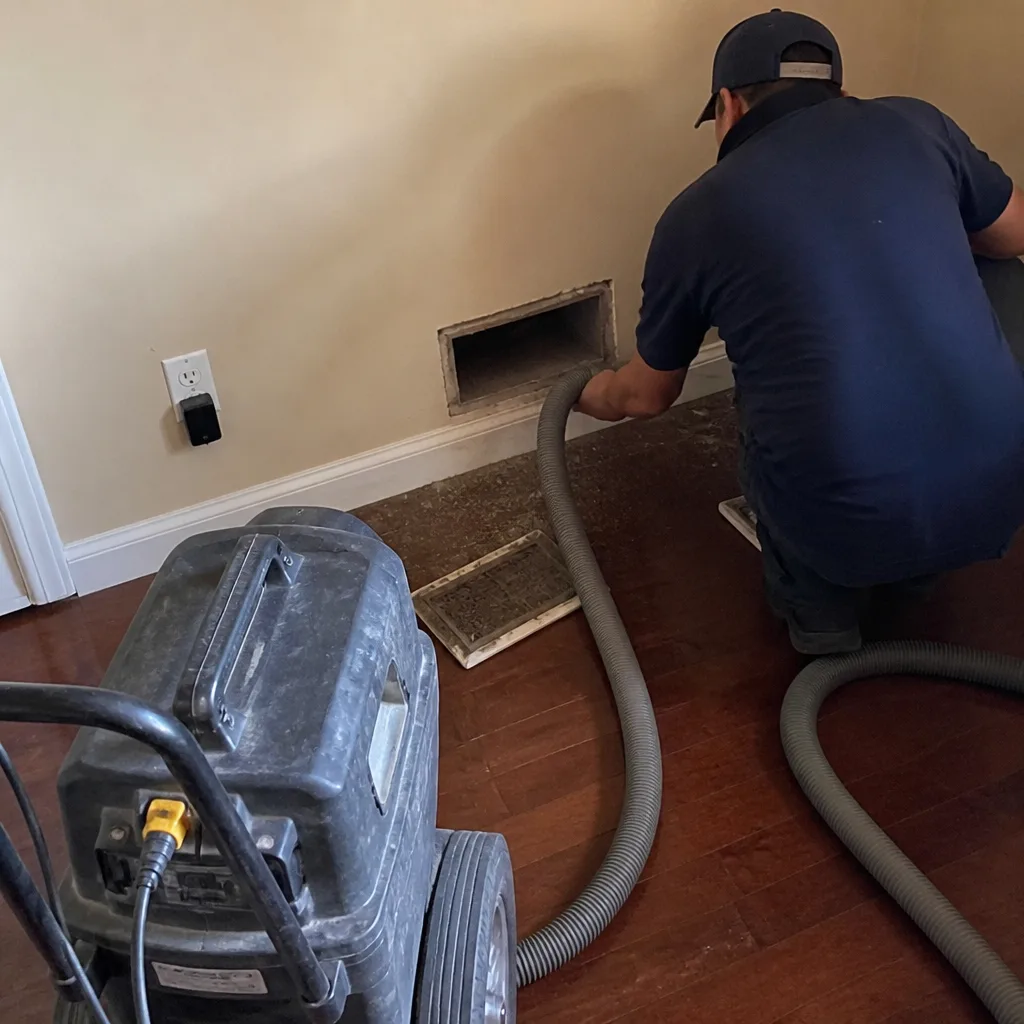
- Inspection before cleaning. The technician should look inside your system with a camera before deciding on a scope of work, and should show you what they find.
- Professional-grade equipment. Consumer and entry-level machines don’t generate enough negative pressure to pull debris from the full length of a trunk line. Ask what equipment will be used. Rotobrush and Nikro systems are the same class of equipment used by commercial and remediation contractors.
- Before-and-after photos of your own ducts. Not stock images, not a brochure. Your system, your photos, dated.
- Full scope under one roof. Cleaning, repair, and sealing are separate skills, and a visit that only cleans will leave damaged ductwork untouched. If the inspection finds torn flex or disconnected joints, a capable provider fixes them on the same engagement.
- Sanitizing where needed. Where the inspection finds microbial growth or pest contamination, a sanitizing step with products like Guardsman finishes the job properly. It isn’t a default upsell; it’s a response to what’s actually present.
- A written summary. What was cleaned, what was repaired, what was found, and when to expect the next inspection. That summary becomes part of your baseline.
Ask about air-quality equipment integration too, if you’re thinking long term. Honeywell and Aprilaire products can be installed and integrated into your existing system, which bridges the gap between a one-time cleaning and ongoing indoor air management. If your checklist signals keep firing, it’s worth asking whether a filtration upgrade makes more sense than more frequent cleaning.
Common Mistakes to Avoid
- Waiting for the calendar instead of reading the signals. The three-to-five-year rule ignores your filter, occupancy, and renovation history. Two neighbors in the same Concourse building can need completely different schedules.
- Skipping the boot photos. Homeowners who never look inside a register boot miss the earliest signs of pest activity and moisture problems. A monthly photo takes two minutes and is the single best record you’ll build.
- Assuming a low bid means a good deal. Quotes that price per vent or advertise a teaser rate often grow once the technician is on site. Ask for one flat price per system, agreed before work starts, and a scope of work in writing.
- Cleaning but not repairing. If the inspection finds torn flex or disconnected joints, cleaning without repairing leaves the contamination source intact. Make repair part of the same visit or you’ll be calling again.
- Ignoring the return side. Most DIY attention goes to supply registers, but returns carry the heaviest debris load. Check return grilles monthly with the tissue test and photograph them alongside your supplies.
- Forgetting the dryer vent. It’s a fire risk, not a comfort issue, and it’s a separate duct system from your HVAC. If you can’t remember the last time it was cleaned, that’s your answer. Dedicated dryer vent cleaning addresses a leading household fire hazard directly.
- Not recording what was done. Without a written service record, you can’t tell what changed since last time or whether the equipment used was professional-grade. Note what was cleaned, repaired, and photographed.
When to Call a Professional
Call a professional when your checklist data shows a real change, not when the calendar tells you to. Specific scenarios that warrant an inspection: your filter loading rate has doubled without a seasonal explanation; two or more supply registers have fallen sharply in the tissue-test ranking; your boot photos show pest evidence, visible mold, or dark moisture staining; you’ve completed a renovation that involved cutting or sanding; or a musty smell comes from your registers when the system first runs. If you’ve never had your system professionally inspected and you’ve just moved into an older Concourse home, book an inspection to build your baseline. Air Duct Cleaning Concourse offers free estimates in Concourse, and we operate professional-grade equipment from Rotobrush and Nikro along with Abatement Technologies filtration and Honeywell and Aprilaire product integration. Call (855) 947-0512 and we’ll schedule an inspection around your checklist findings.
Frequently Asked Questions
It depends on your system, not the calendar. A Concourse home with a high-MERV filter, low occupancy, and no recent renovation may go well beyond five years between cleanings, while a heavily occupied apartment that just renovated, has pets, and sits on a traffic corridor may need inspection after a single renovation project. Track your filter loading rate, register airflow ranking, and boot photos monthly and let those signals set the schedule. If two or more indicators drift at once, that’s your call. Call (855) 947-0512 for a free estimate.
Cost depends on system size, the number of registers, contamination level, and whether repair or sealing is needed. We price per job: one flat price per system agreed in writing before work starts, with no per-vent pricing and no teaser coupon that grows into a larger invoice. Reputable providers will inspect first and quote the actual scope. Don’t accept a low advertised number as a final price. Call (855) 947-0512 for an exact quote; estimates are free.
Cheap quotes usually reflect either a scope that doesn’t include inspection, repair, or sealing, a consumer or entry-level machine that can’t generate enough negative pressure for a full trunk line, or a teaser rate that grows once the technician is on site. The equipment matters: Rotobrush and Nikro systems are the same class of machine used by commercial and remediation contractors. Ask what equipment will be used and what the written scope includes. Call (855) 947-0512 for a free estimate.
Before-and-after photos of your own ducts, not stock images. A provider that’s confident in its work will photograph every register boot before and after cleaning and give you a written summary of what was cleaned, repaired, and found. Add that record to your baseline, so next year when your checklist signals fire you have a documented history. Call (855) 947-0512 to schedule an inspection.
No. The dryer vent is a separate duct system from your HVAC, and it’s a fire risk rather than an air-quality issue. We treat it as its own service, with dedicated equipment and a full cleanup of the vent path. If you can’t remember the last time it was cleaned, or your dryer takes longer to dry laundry than it used to, book it separately. Call (855) 947-0512 to schedule.
Yes, if your unit shares any ductwork with the building or if your return is connected to a central system. Multi-unit buildings need a different scope than a single-family house, and coordination with your building’s maintenance staff matters before work starts. Once you’ve confirmed what your unit controls, a professional inspection will tell you what’s feasible. Call (855) 947-0512 for a free estimate, and mention that you’re in a multi-unit building so the scope can be planned properly.
The Bottom Line
The three-to-five-year rule is a placeholder, not a measurement. What your system actually needs comes from six signals you can track yourself: filter loading rate, register airflow symmetry, boot photos, renovation history, pest evidence, and seasonal moisture. Build a baseline after every cleaning, revisit it monthly, and let the data decide when to call. Concourse homeowners who do this stop paying for cleanings they don’t need and catch problems before they become air-quality issues. When the signals drift, we’re here with professional-grade equipment and full-scope service under one roof. Call (855) 947-0512 for a free estimate. We answer 24/7. Fast dispatch from 7am to 7pm, Sunday through Friday.
For a full picture of what we do, start with Air Duct Cleaning Concourse, read our air duct cleaning and HVAC cleaning pages, and add dryer vent cleaning to your annual checklist alongside your ductwork.
Written by the team at Air Duct Cleaning Concourse.
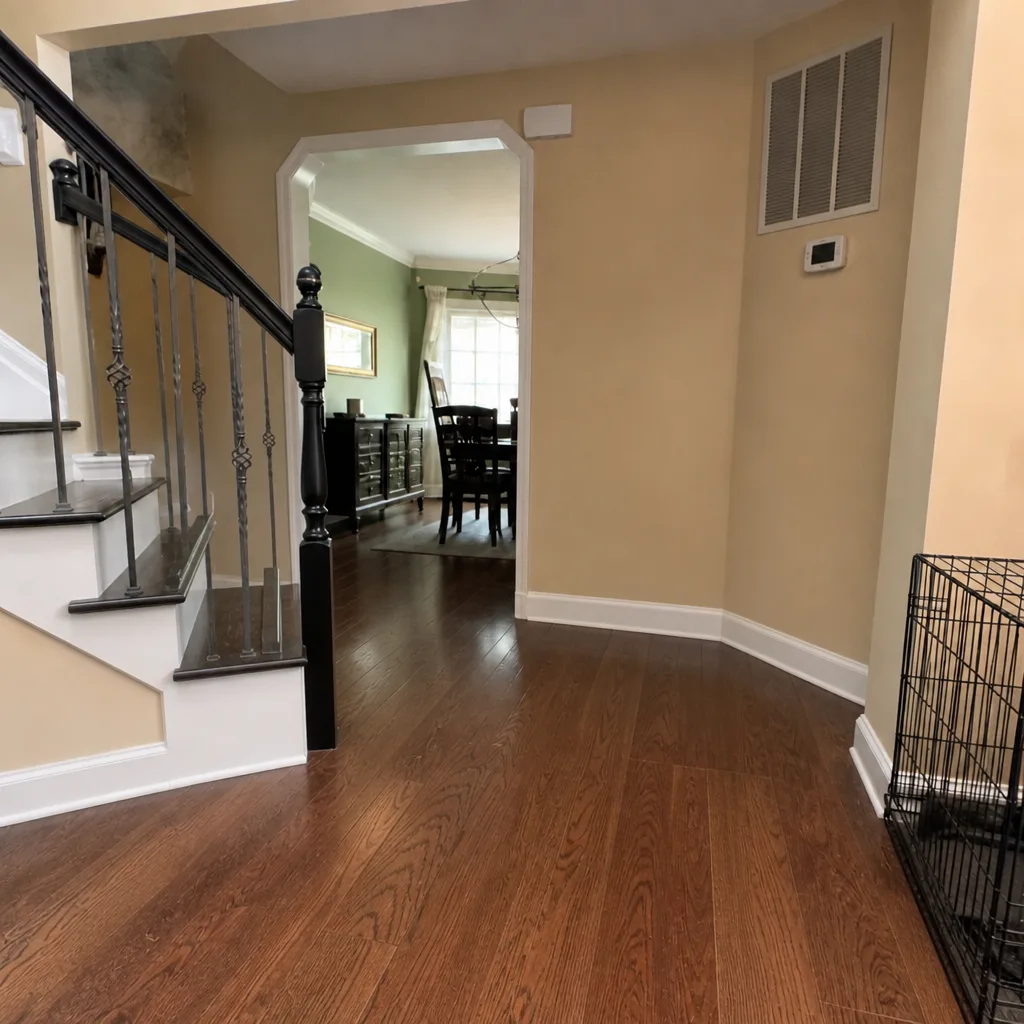
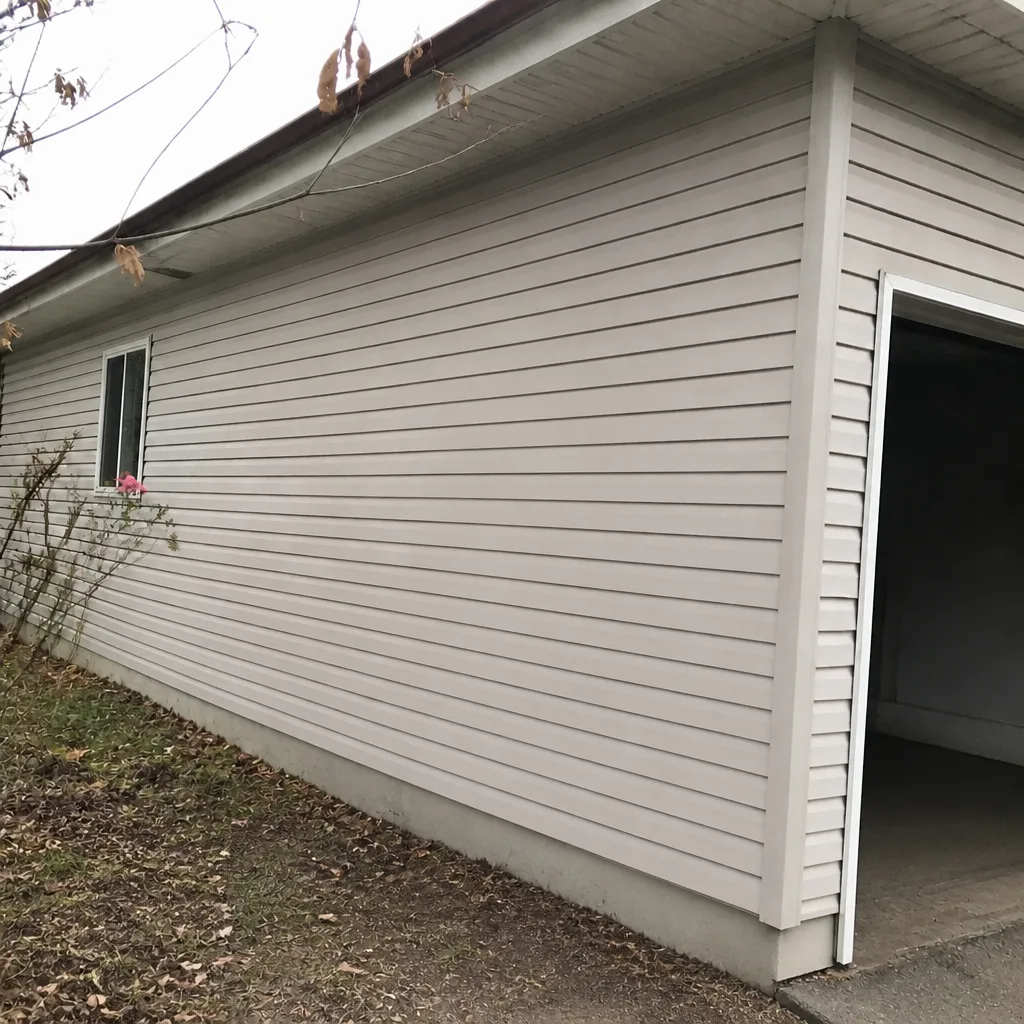
See the difference
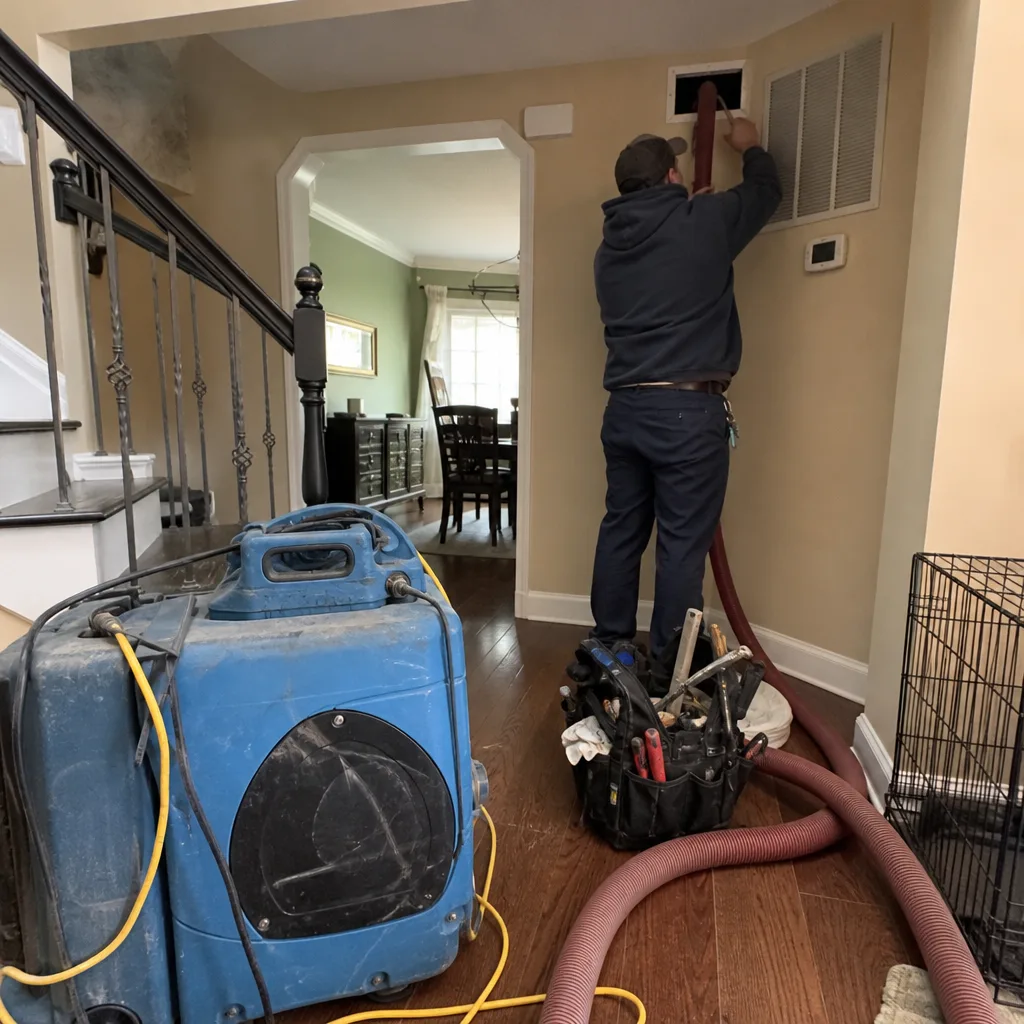 Before
 After
 Before
 After
 Before
 After